


10 - 10.5 hours·English, German
4.6(16,917)
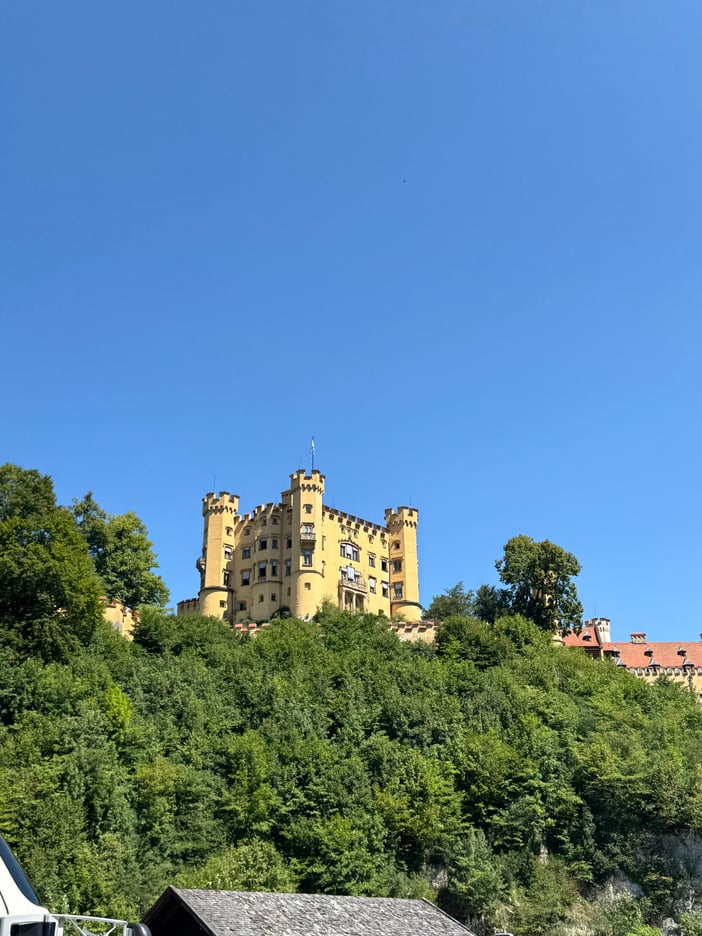
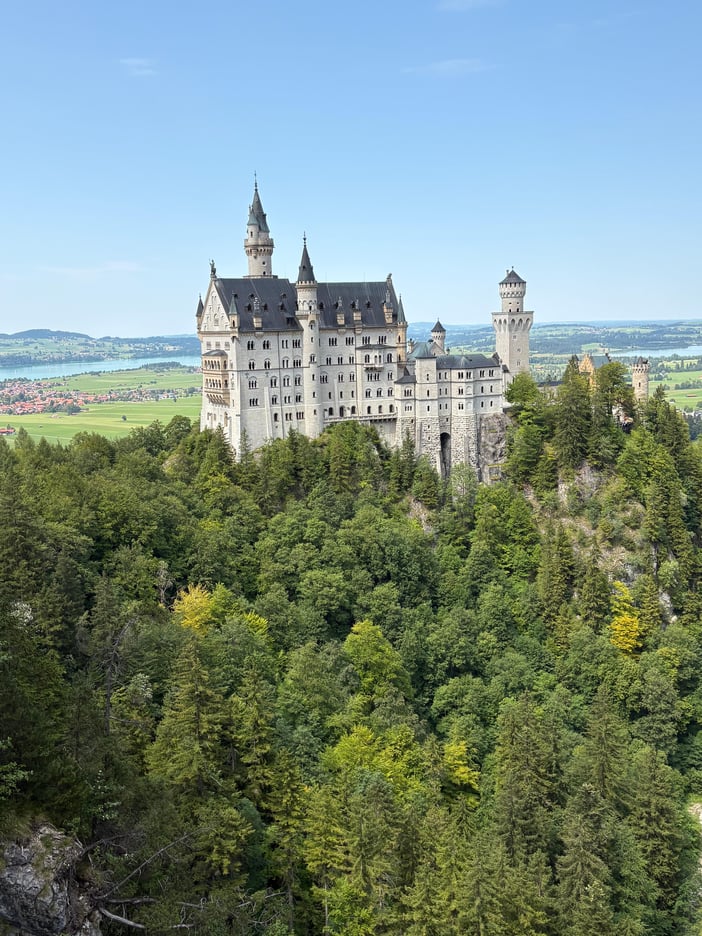
From Munich: Neuschwanstein & Linderhof Castle Full-Day Trip
Free cancellationTour guide* Premium tour only in English

Pick your month and walk in on time. A full-day trip from Munich secures your castle entry in advance, even on sold-out days, so a packed summer calendar or a cold January morning never costs you the view.
"The bus made everything so much easier than driving ourselves. Enjoyed the little bits of trivia along the way. Everything ran on time and was comfortable."



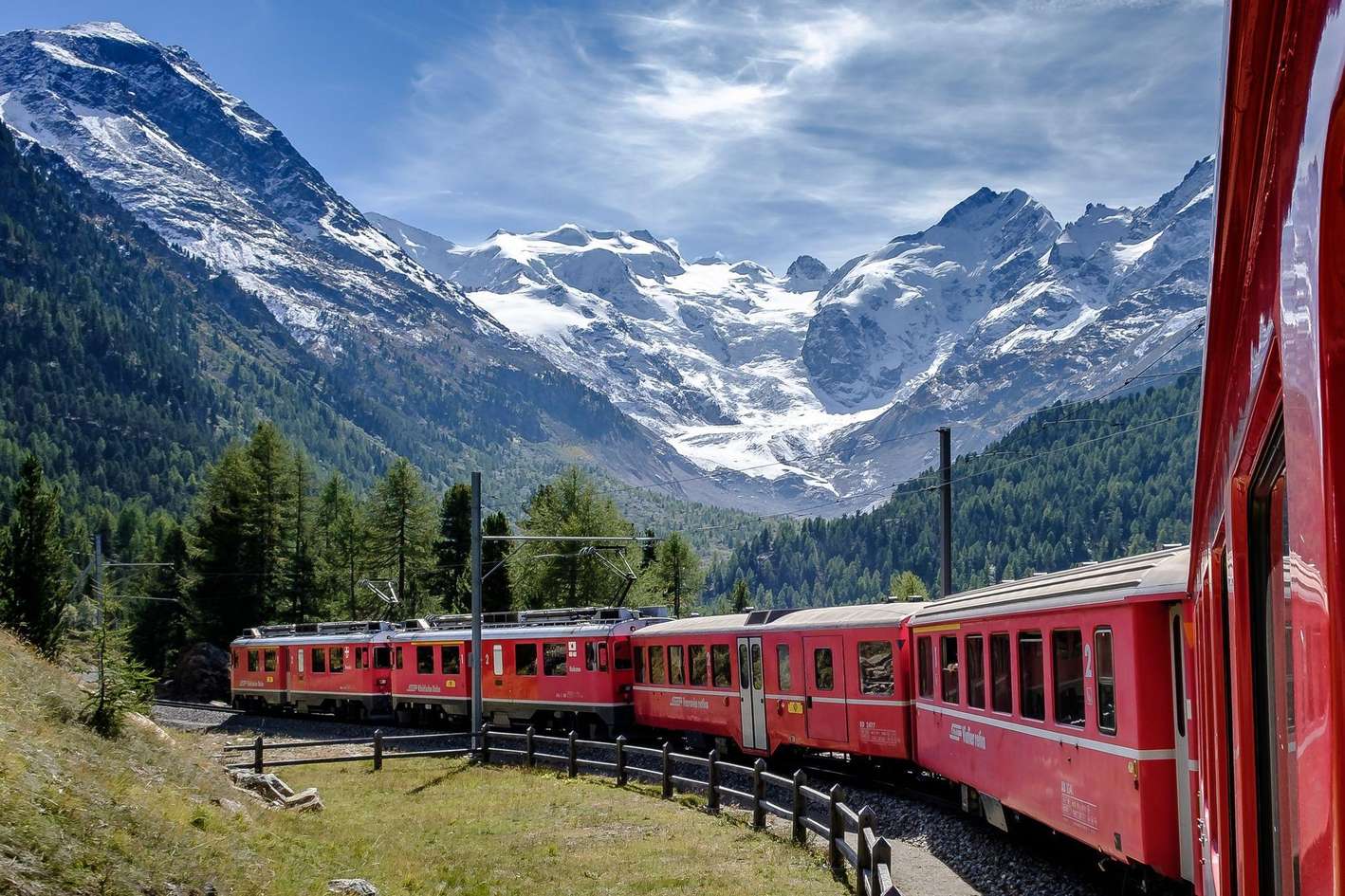
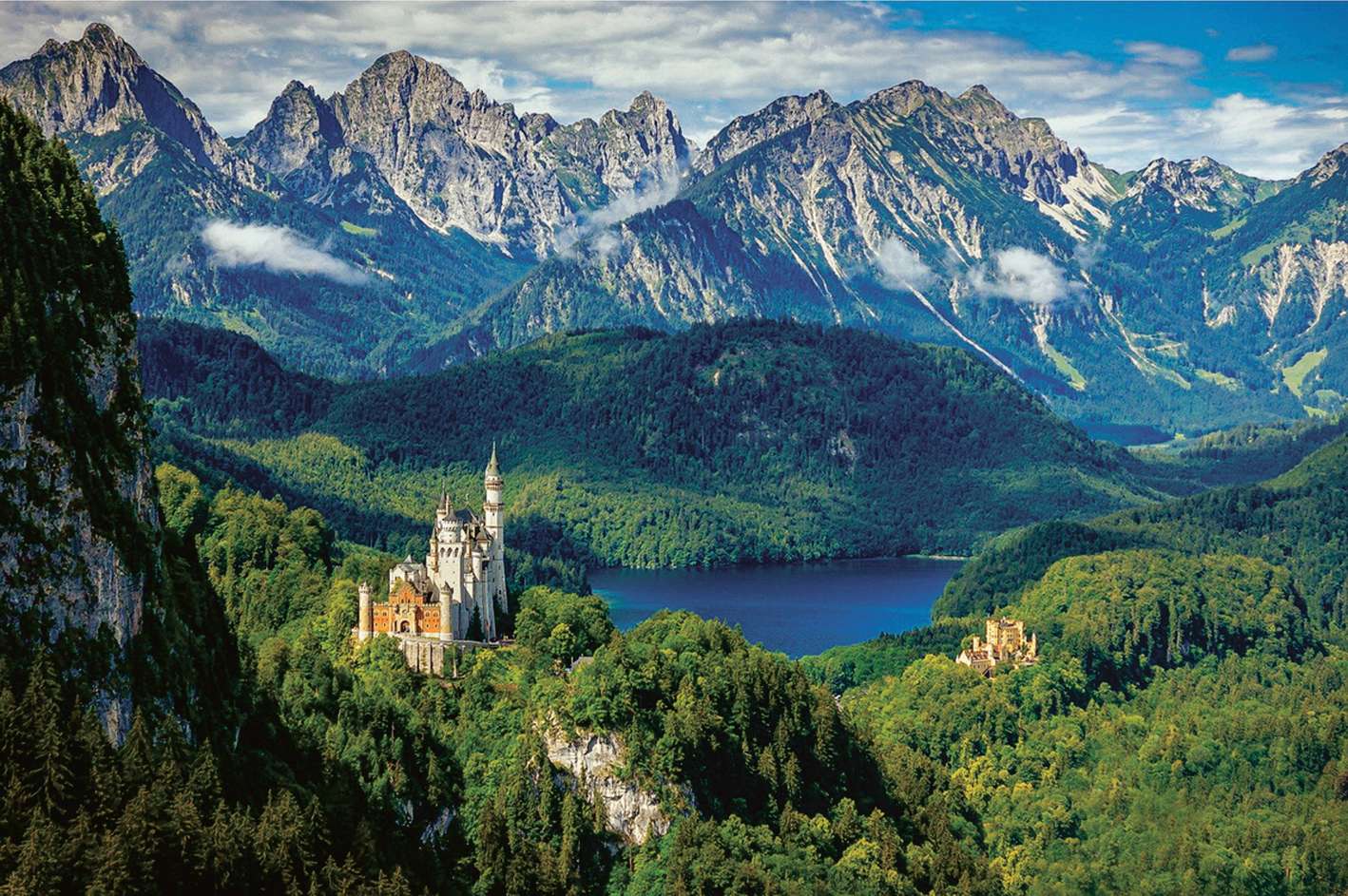
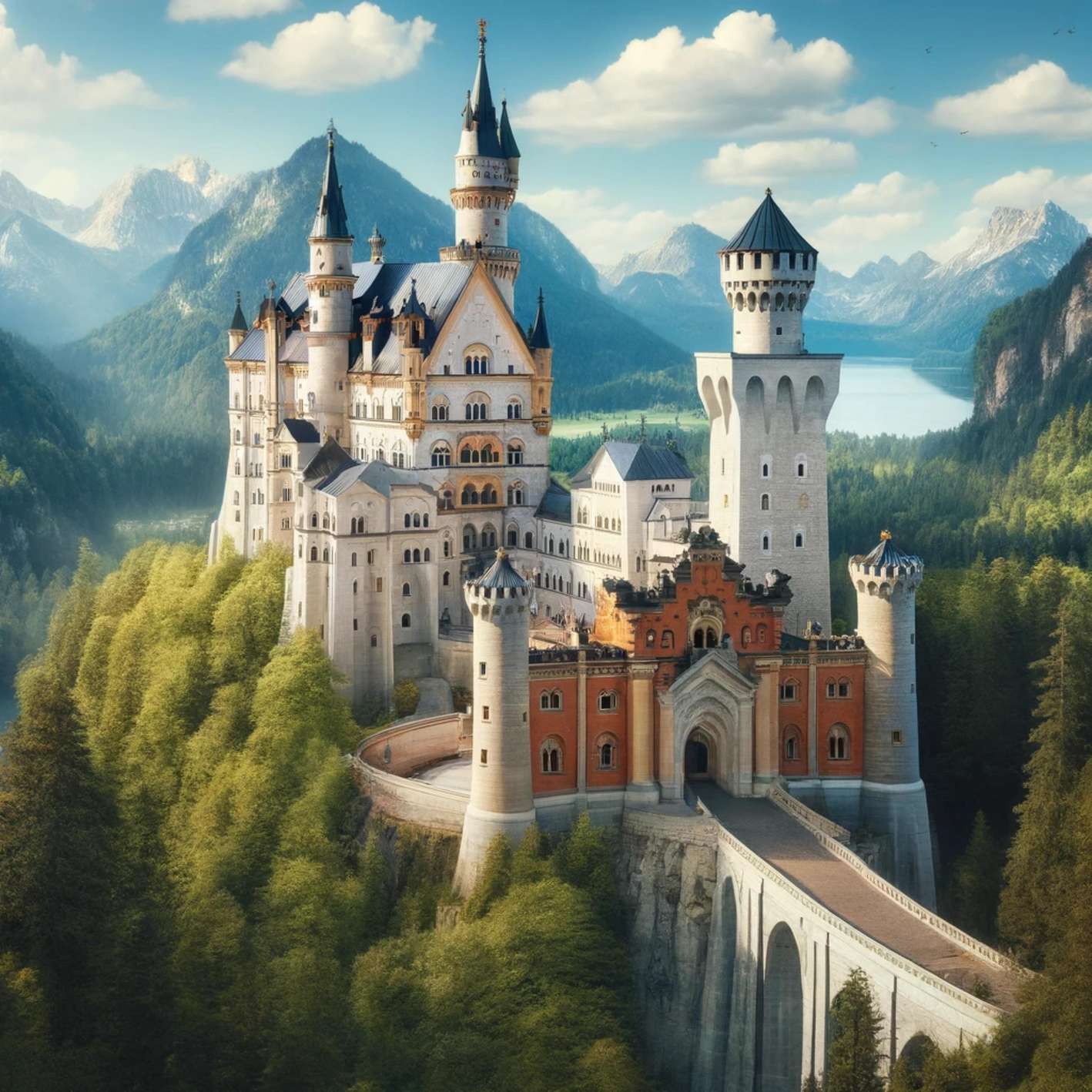
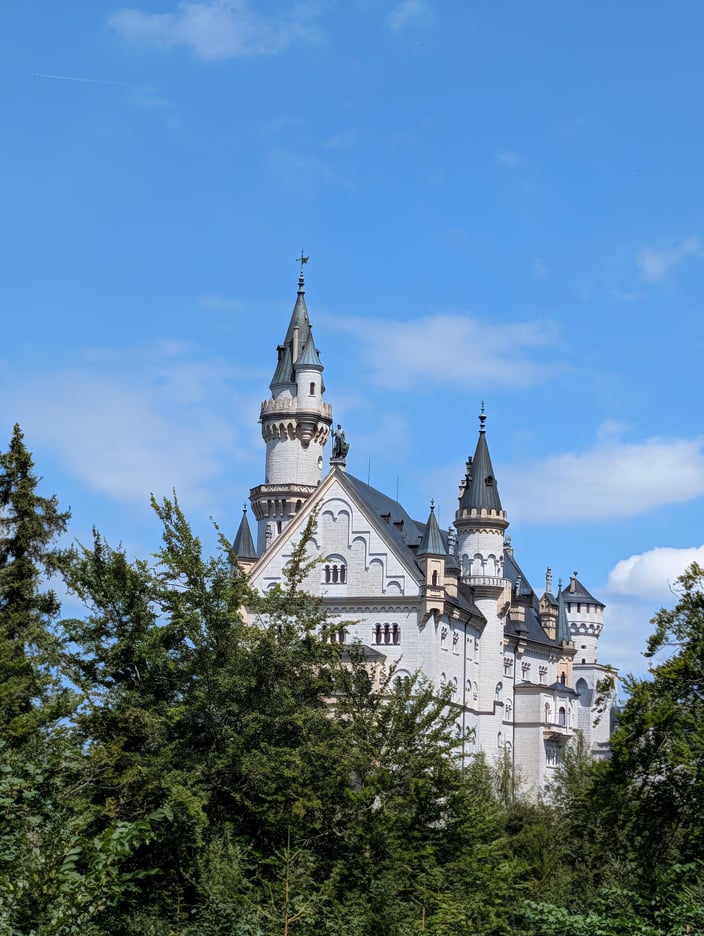
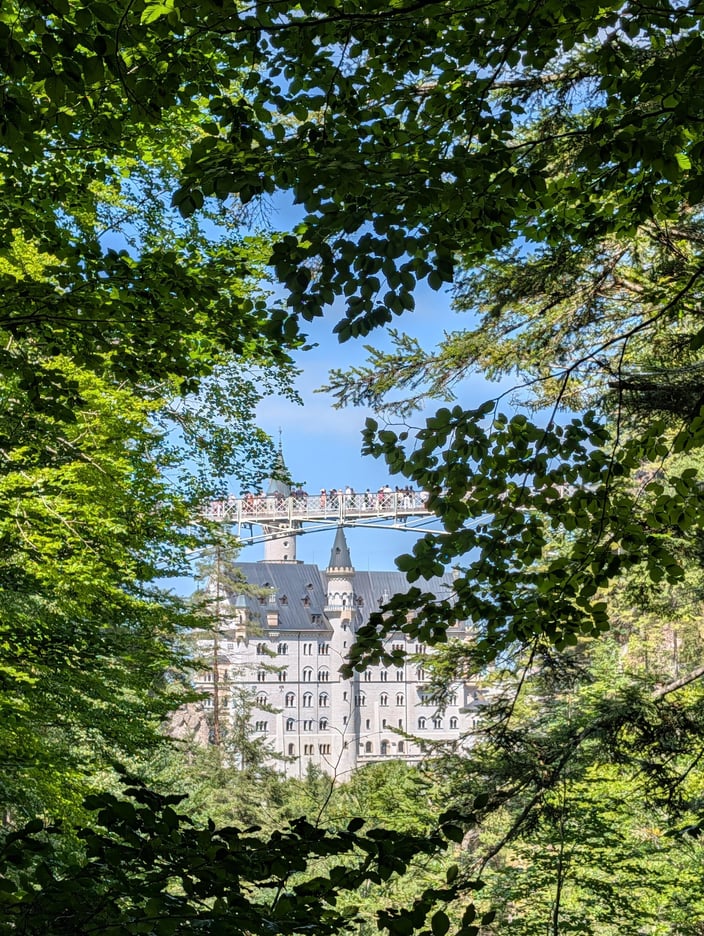
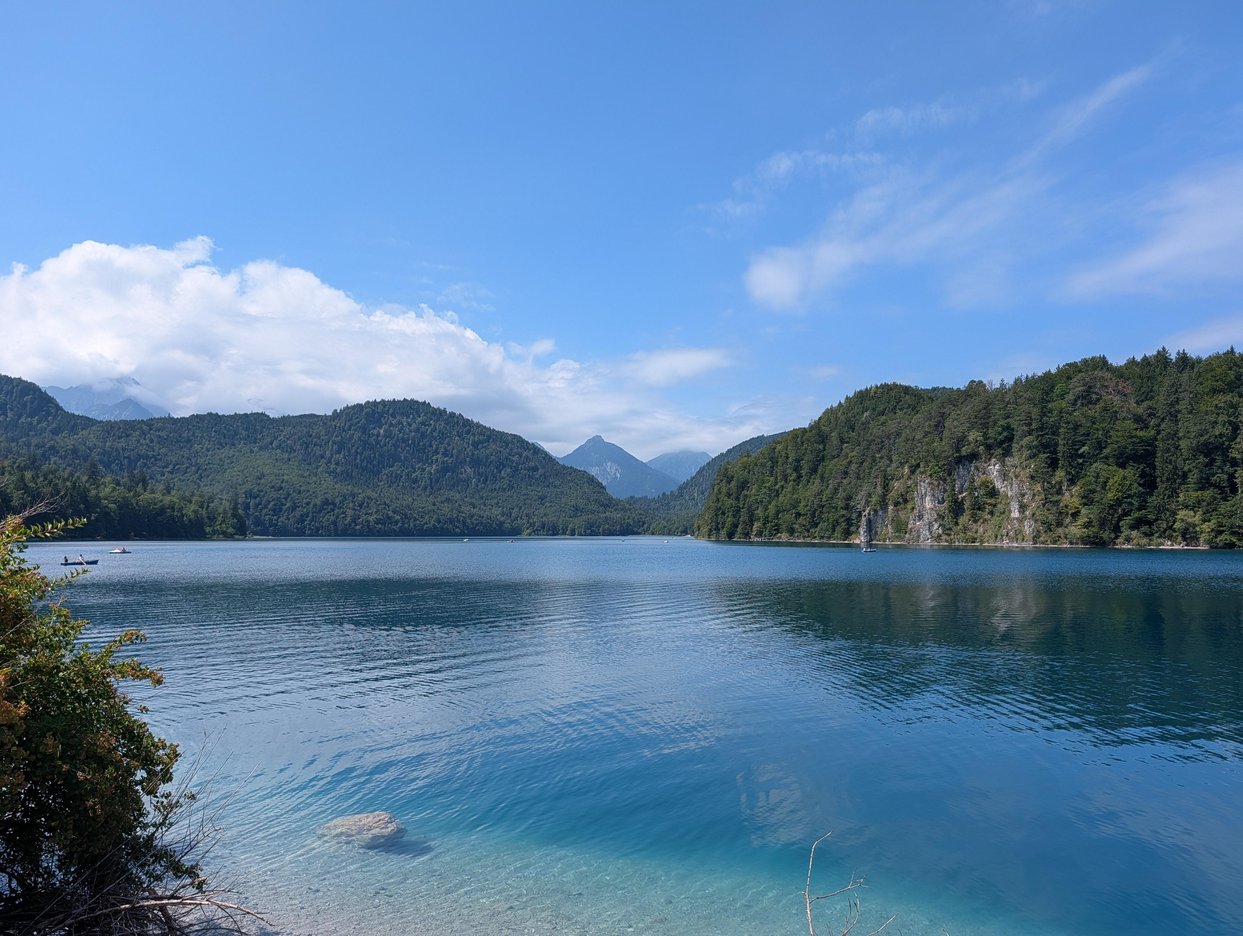
October brings clear mountain views and autumn colour; winter brings fewer visitors and shorter days. Your dates decide the weather, opening hours and how early you need to secure entry.
October has clear, often sunny weather and autumn colour; April and May bring spring flowers, though May is wetter.
Summer has the most dependable blue skies and the year’s largest crowds; January and February are much quieter, colder and shorter on daylight.
The castle opens 9 am to 6 pm from March 28 to October 15, and 10 am to 4 pm from October 16 to March 27.
The castle closes on December 24, 25 and 31, and January 1; winter weather can also close Marienbrücke.
Tickets can sell out months ahead; book early, and arrive in Hohenschwangau well before your timed entry.
Pick any other day of the year for your visit, when the castle opens daily, and reserve a timed entry slot or a guided tour well ahead so your date is locked in.
October is a strong choice for mountain views. Dry Föhn winds can clear the ridges, while golden foliage frames the castle and early snow may mark the higher peaks.
October averages about 19 dry days; May averages about 12, so spring flowers come with a greater chance of rain. April and May suit you if you prefer meadow blooms and milder weather.
Summer brings the most reliable blue skies and green slopes, along with the year’s largest visitor crowds. January and February are much quieter, and snow can give the castle a winter setting.
The trade-off is cold weather and short days: January afternoons average about 4°C, and daylight lasts under nine hours, compared with more than 15 hours in July.
August is the busiest month in this chart, with an average high of 21.9°C and 14.2 hours of daylight.
Tap a month to read it.
October has the highest tour activity, with an average high of 15.3°C and 10.8 hours of daylight.
Tap a month to read it.
January is quiet for tours, with an average high of 4°C, 11 snow days and 8.9 hours of daylight.
Tap a month to read it.
June is busy, with an average high of 22.2°C and 15.9 hours of daylight, and no average snow days.
Tap a month to read it.
June is busy, with an average high of 22.2°C and 15.9 hours of daylight, and no average snow days.
Tap a month to read it.
The seasonal pattern helps narrow your dates. Winter means fewer visitors and less daylight; summer means longer days and more company. Autumn suits clear views, while spring suits flowers. The From Munich: Premium Neuschwanstein Small-Group Train Tour runs for about 10 hours, includes castle entry and keeps the group to 10-12 guests.
Neuschwanstein Castle stays open through winter. From March 28 to October 15, 2026, it opens daily from 9 am to 6 pm; from October 16, 2026, through March 27, 2027, it opens from 10 am to 4 pm Four dates are closed each year: December 24, 25 and 31, and January 1.
It opens on other winter days and public holidays.
Open from 9 am
Open from 10 am
Open until 6 pm
Open until 4 pm
Closed after 4 pm
Closed after 6 pm
Short winter days leave less time to reach the hill, take the tour and enjoy the viewpoints. In December, daylight runs roughly from 7:45 or 8 am until 4:30 pm, so an early entry gives you more time outside.
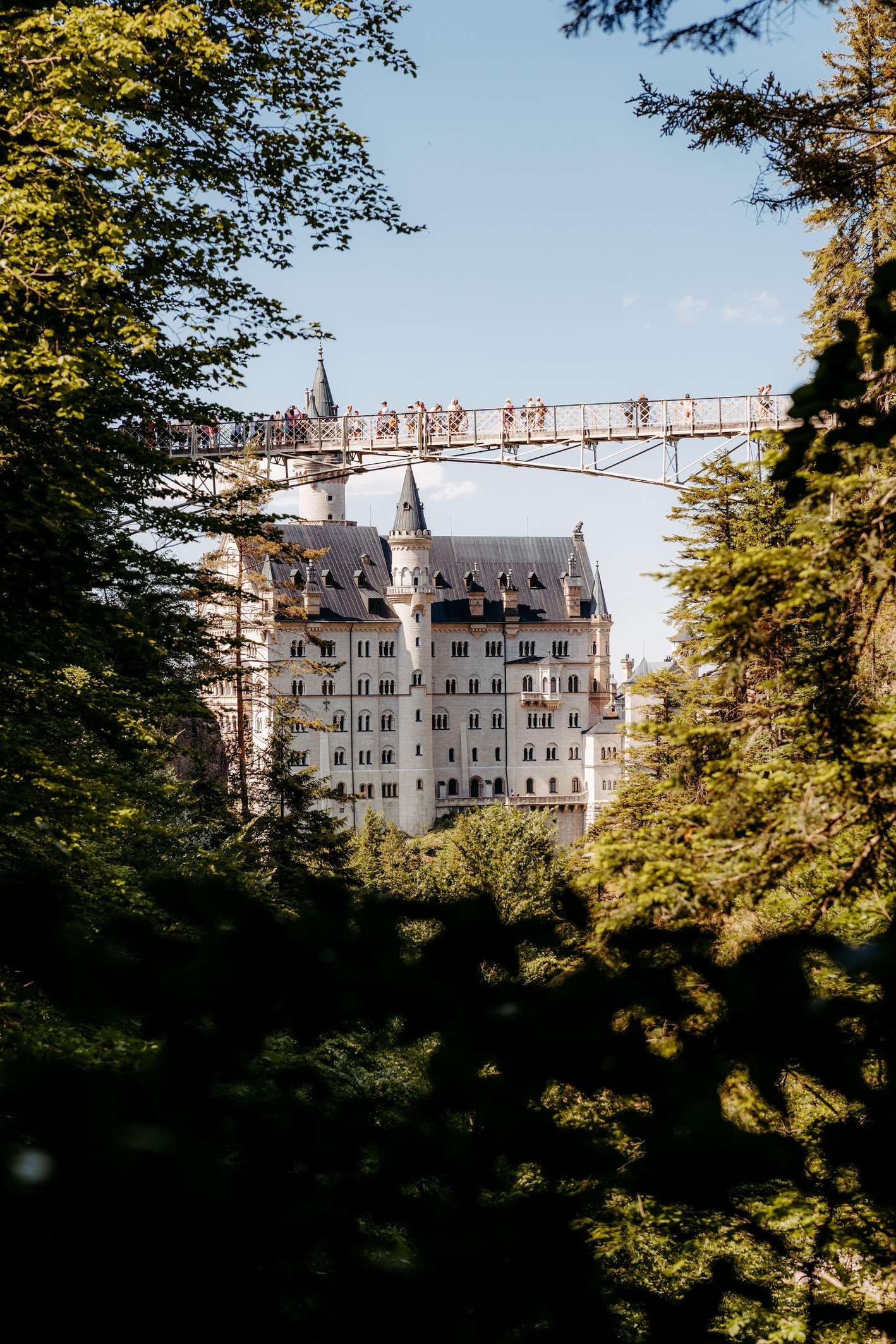
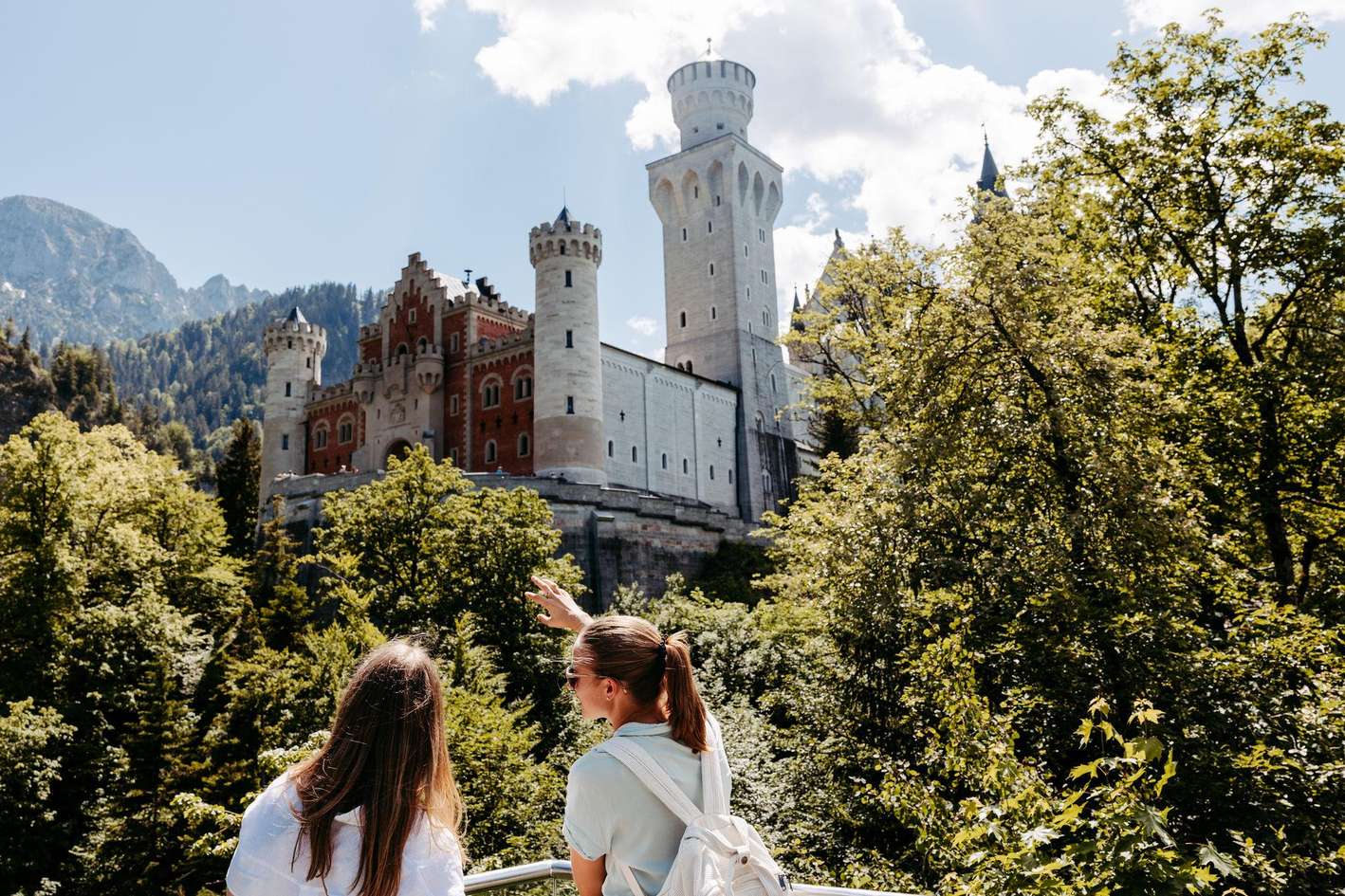
You can see the castle from outside without an interior ticket. Marienbrücke is also separate from the castle admission, though winter weather may close the bridge. Entry to the courtyard and castle rooms requires admission.
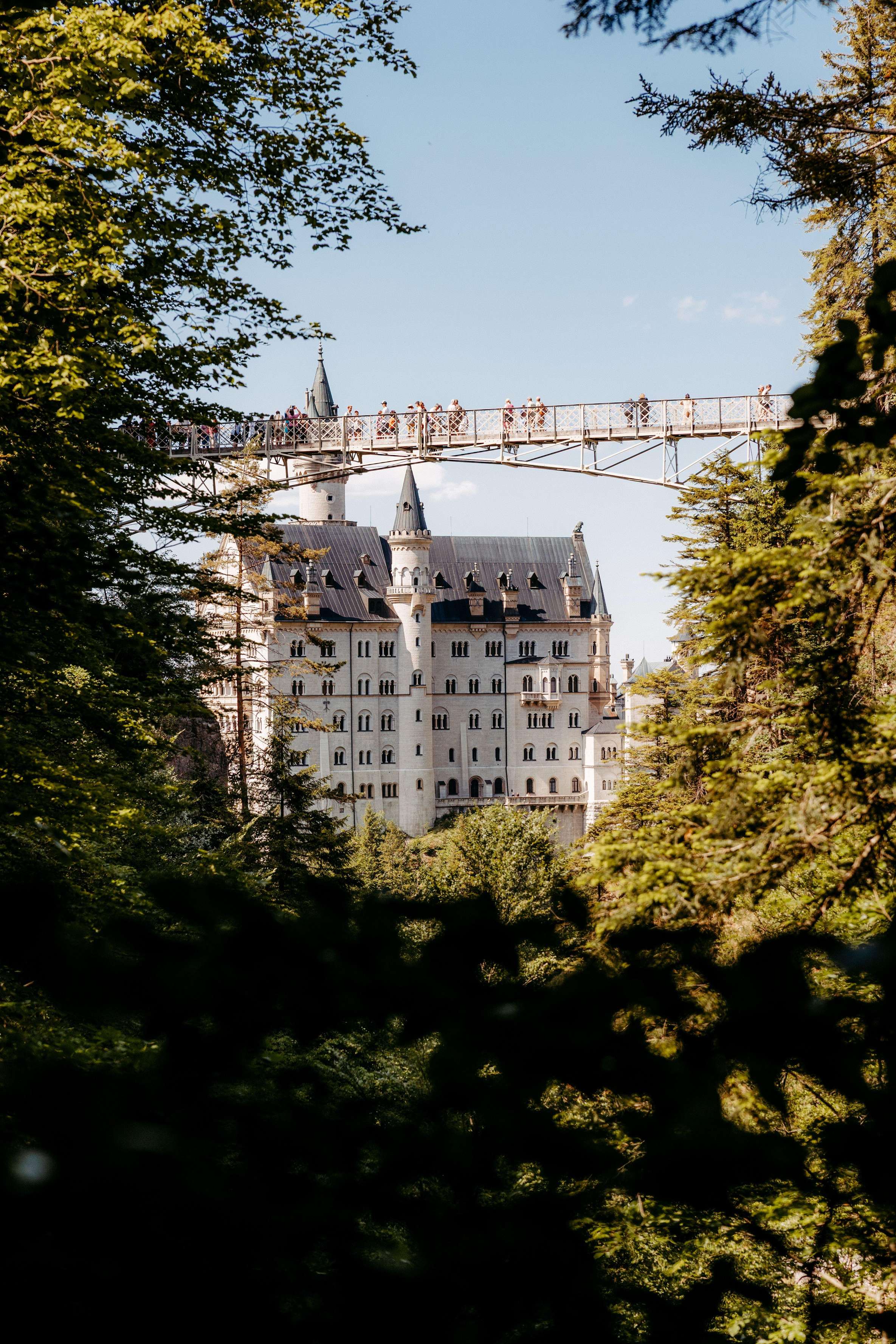
The paths between Hohenschwangau, Marienbrücke and the castle grow busiest from late morning into the afternoon. Arrive before 9 am or later in the afternoon for calmer conditions. On peak summer weekends, the bridge photo queue can reach 30 minutes at busy times.
Morning light is softer on the castle’s south face from about 7:30 am. In summer, reaching Marienbrücke before 8 am gives you a quieter crossing; queues build by 10 am, and midday sun can be harsh.
Castle entry follows a timed slot, so an early admission is the simplest way to pair softer light with a less crowded approach.
go early for a calmer visit
tour groups build later in the morning
an early start helps you reach the village in time
Set out from Munich before 7:30 am on a summer weekend to reduce the chance of getting caught in lake traffic. September is still busy, so do not count on a quiet walk-up visit or an easy same-day ticket.

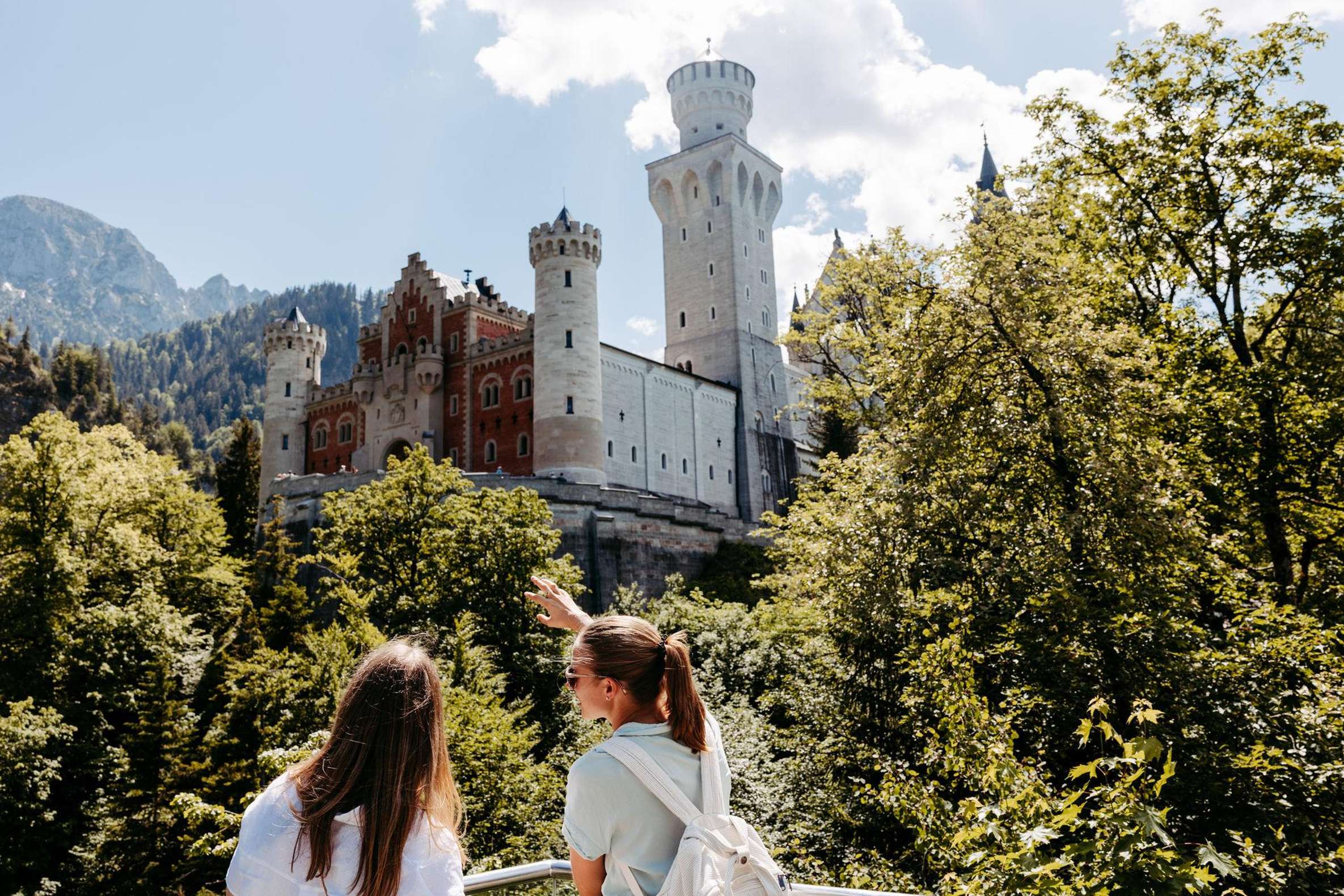
Timed entry tickets can sell out months ahead, and travelers advise booking well in advance. There is no reliable season-by-season timetable for when slots disappear, so treat September as a busy month too and reserve before you travel.
A limited number of same-day tickets may be released at the Hohenschwangau Ticket Center from 8 am, even when online tickets are sold out. Arrive early if you are trying this option; tickets are limited and may be gone by late morning.
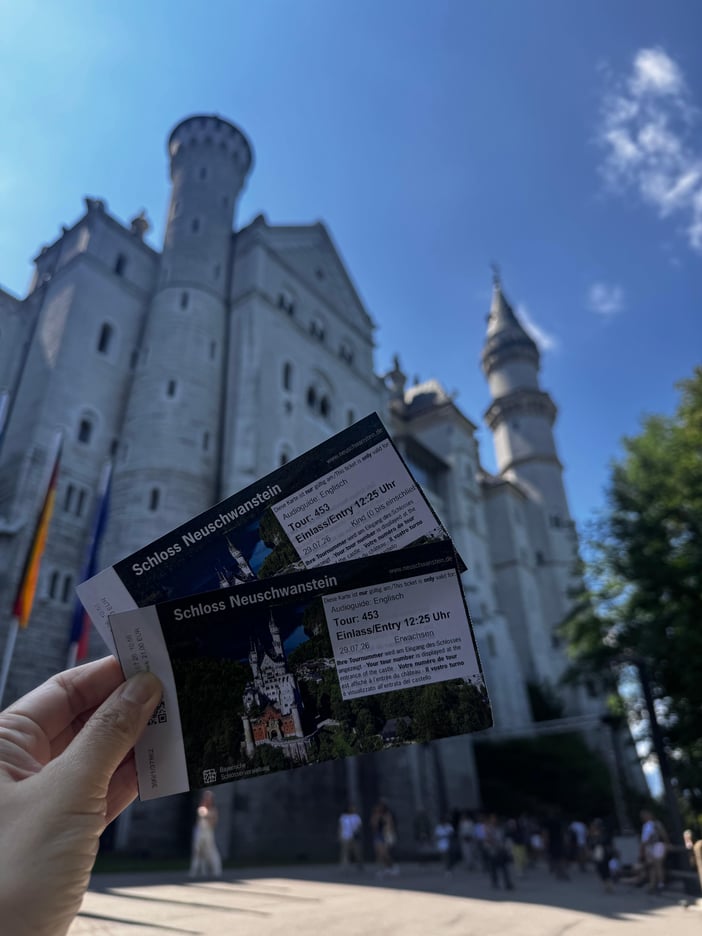
Arrive after the time printed on your ticket and you cannot join the tour leave enough time to reach the castle before your slot
If your date has sold out, the Neuschwanstein Guided Tour with Skip-the-Line Tickets includes pre-reserved admission, even on sold-out days. It starts at parking lot P3 in Hohenschwangau and lasts about three hours. For ticket options and booking details, see the guide to tickets for Neuschwanstein Castle.
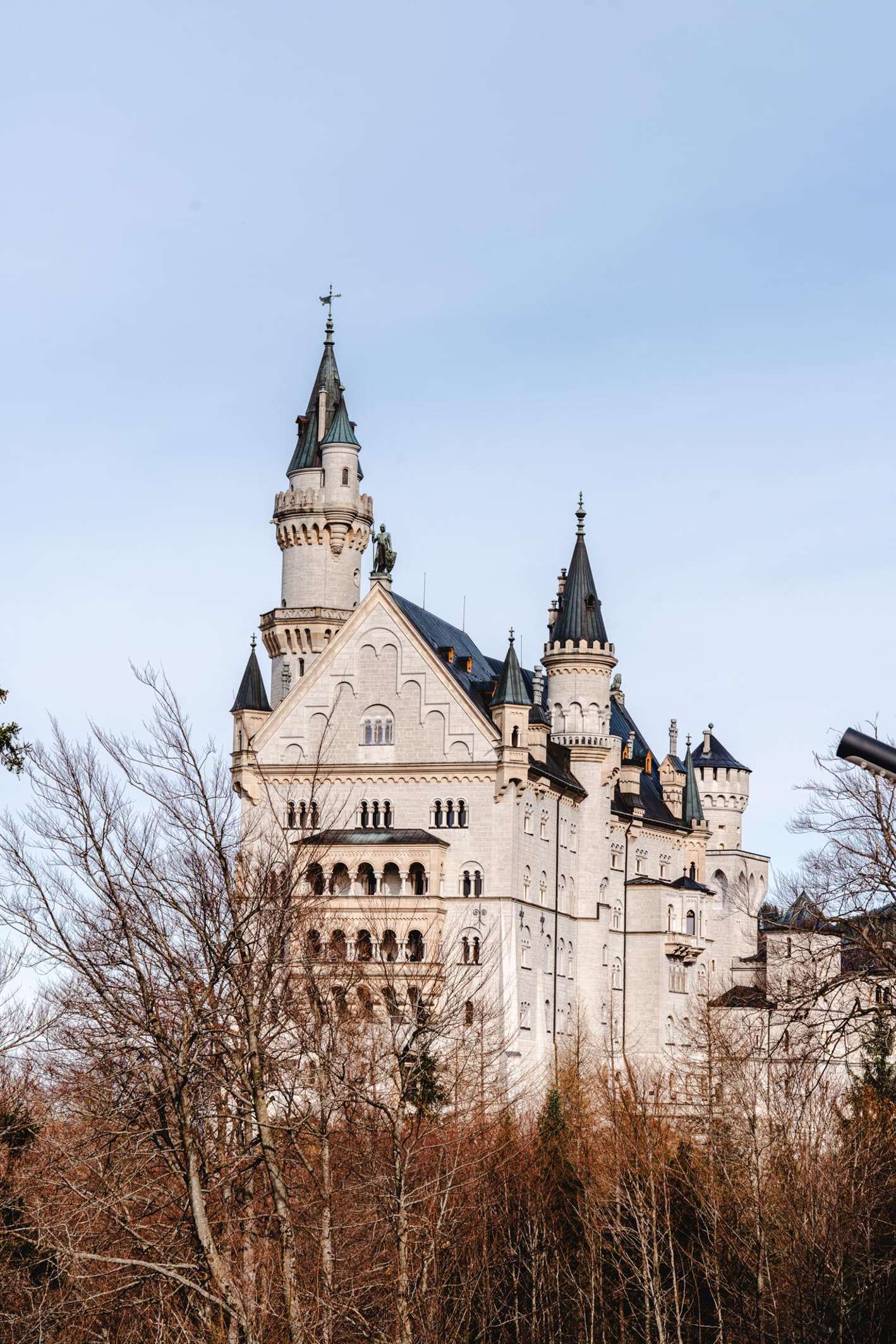
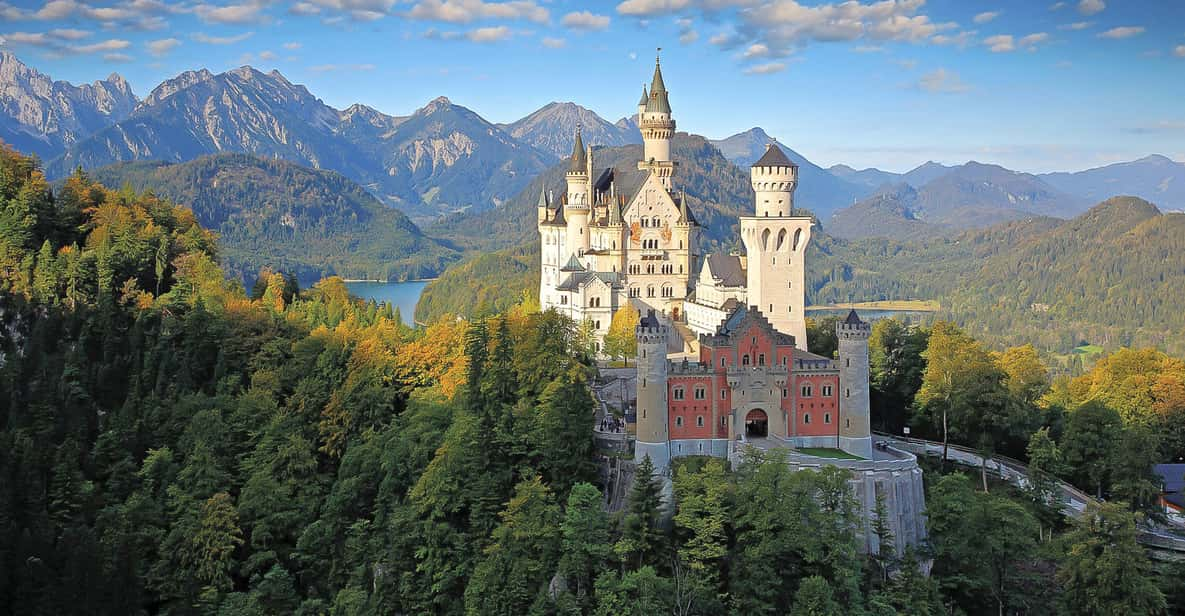
Marienbrücke does not close automatically for winter. Ice, snow or other poor weather can make access unsafe, and the castle administration decides when to close it. Snow or ice on the road can also stop the uphill shuttle; horse-drawn carriages operate year-round.
it may stay open when conditions are safe
the castle route and guided tours remain open
If the shuttle is not running, the uphill walk from the ticket centre takes about 30-40 minutes. The castle visit can still go ahead when the bridge is closed, so plan your winter day around reaching the castle on foot or by carriage, with the viewpoint as an extra if conditions allow.
January and February give you the best chance of a snowy setting, but snowfall is unpredictable. Bring shoes with good grip and warm layers for the uphill route.

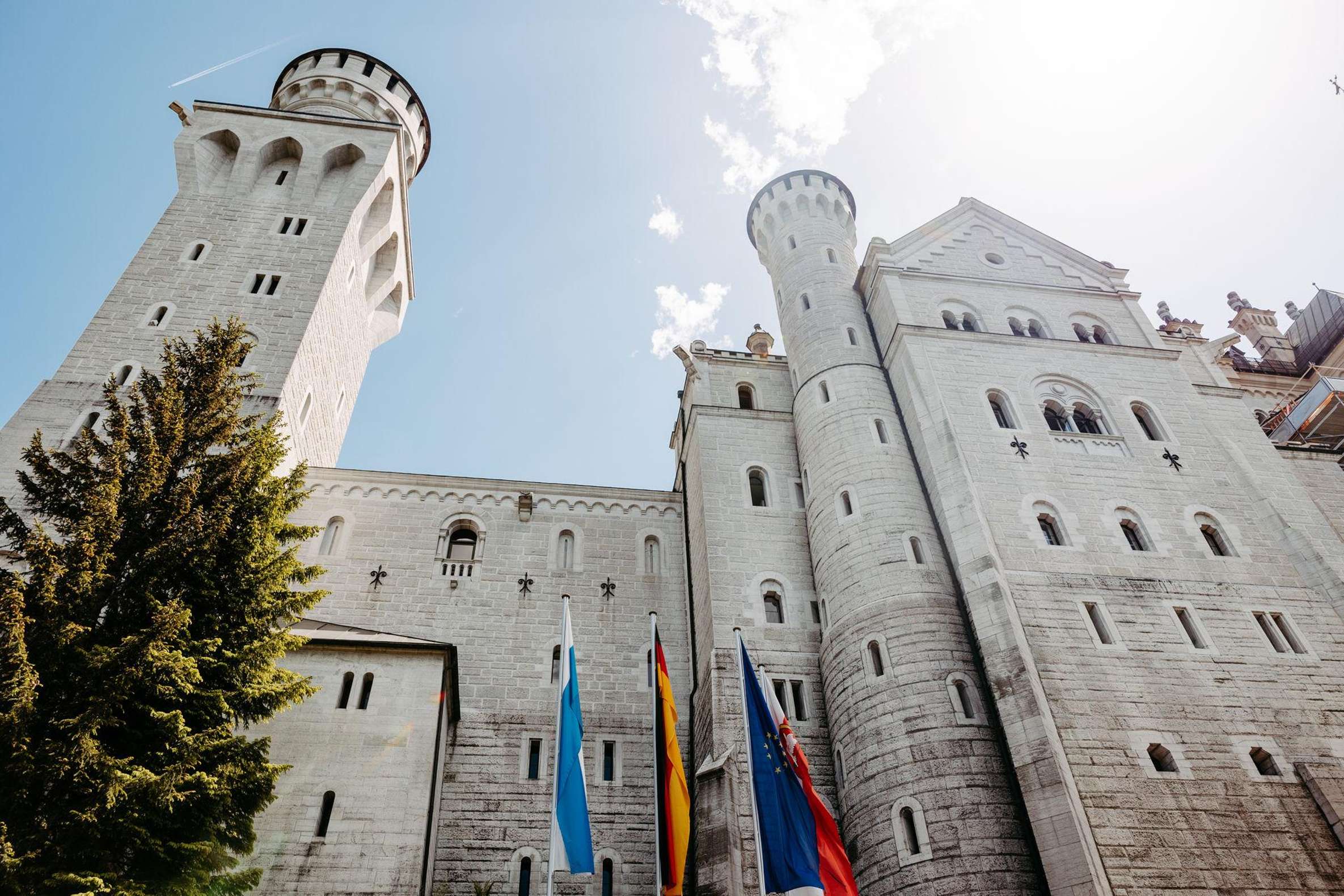
Without traffic, driving from Munich takes about 1 hour 45 minutes; the train and bus take about 2 hours 15 minutes.
Winter conditions can change the drive: snow and ice make alpine curves slippery, while short daylight hours leave less room for delays. Roads are generally passable in normal conditions, but drive cautiously when snow arrives.
In Germany, cars need qualifying winter tyres on all wheels when roads are icy or snowy. In Austria, winter equipment is required from November 1 to April 15 when road conditions are wintry. The rule depends on road conditions in Germany and on both dates and conditions in Austria.
Cars stop in one of Hohenschwangau’s paid parking lots, P1, P4; you cannot drive to the castles. For route details and day-trip choices, see the guide to Neuschwanstein road trips and day trips.
If you would rather leave winter driving to someone else, a train trip or organized day tour removes that part of the planning.
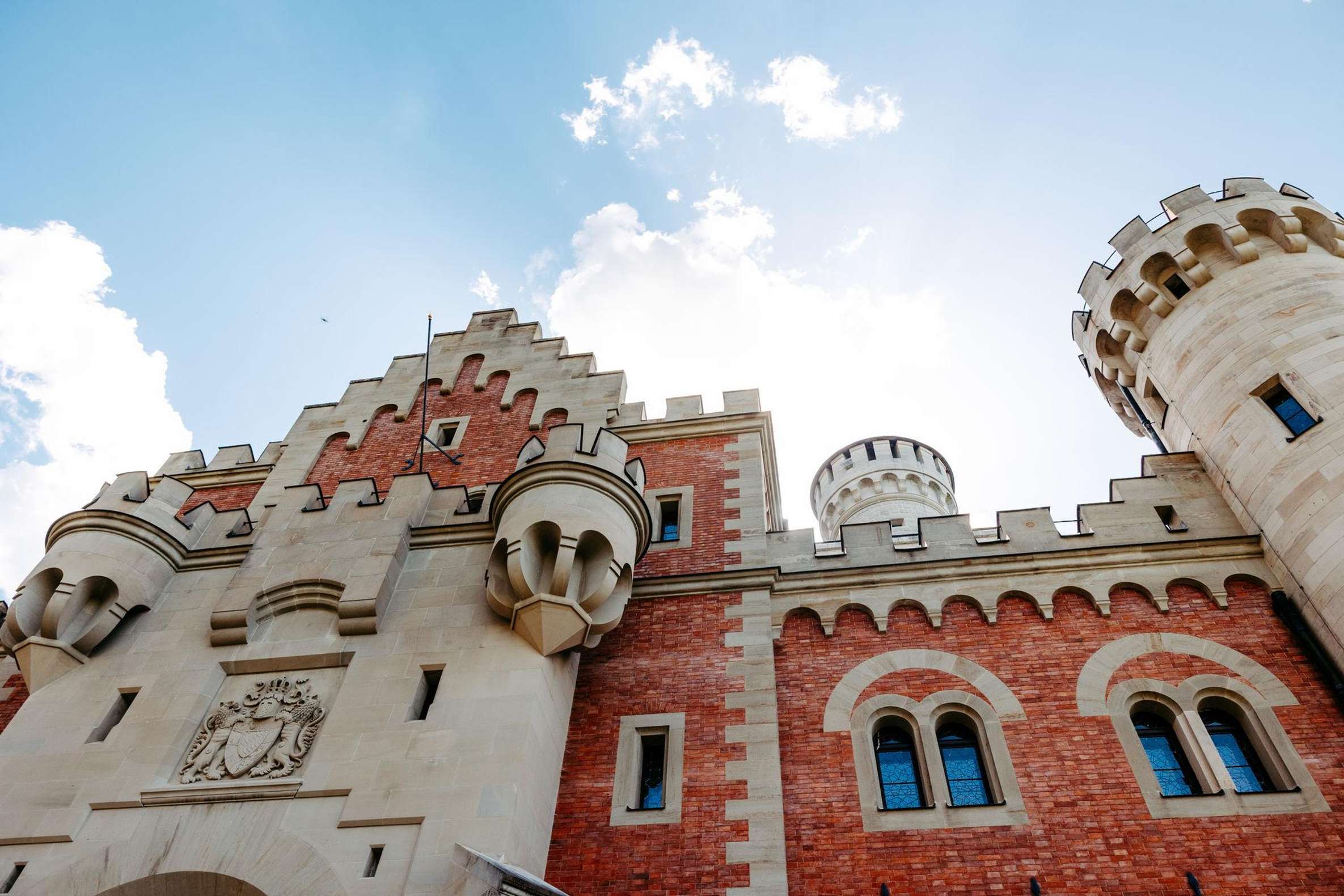
Arrive in Hohenschwangau 1.5-2 hours before your entry time to allow for parking, ticket collection if needed and the climb. The uphill walk is about 1.5 km and takes 30-40 minutes.
The shuttle goes to the viewpoint above the castle, followed by a 10-15 minute downhill walk. The full transport picture is in the guide to reaching Neuschwanstein Castle.
Inside, the guided tour lasts about 30 minutes. Photography is not allowed, and bulky bags stay outside. A skip-the-line ticket still has a fixed entry time, so reach the castle gate on time.
winter daylight is short
the final stretch is on foot
photography is not allowed
bridge access depends on weather
winter hours end at 4 pm
Online ticket holders can show the QR code on their phone at the castle entrance without first checking in at the Ticket Center. The Neuschwanstein Castle Skip-the-Line Ticket with Audio Guide includes admission and an audio guide for the main rooms.
Save time for the outdoor views, especially in winter, when late entry can leave you waiting in the cold with little daylight left.
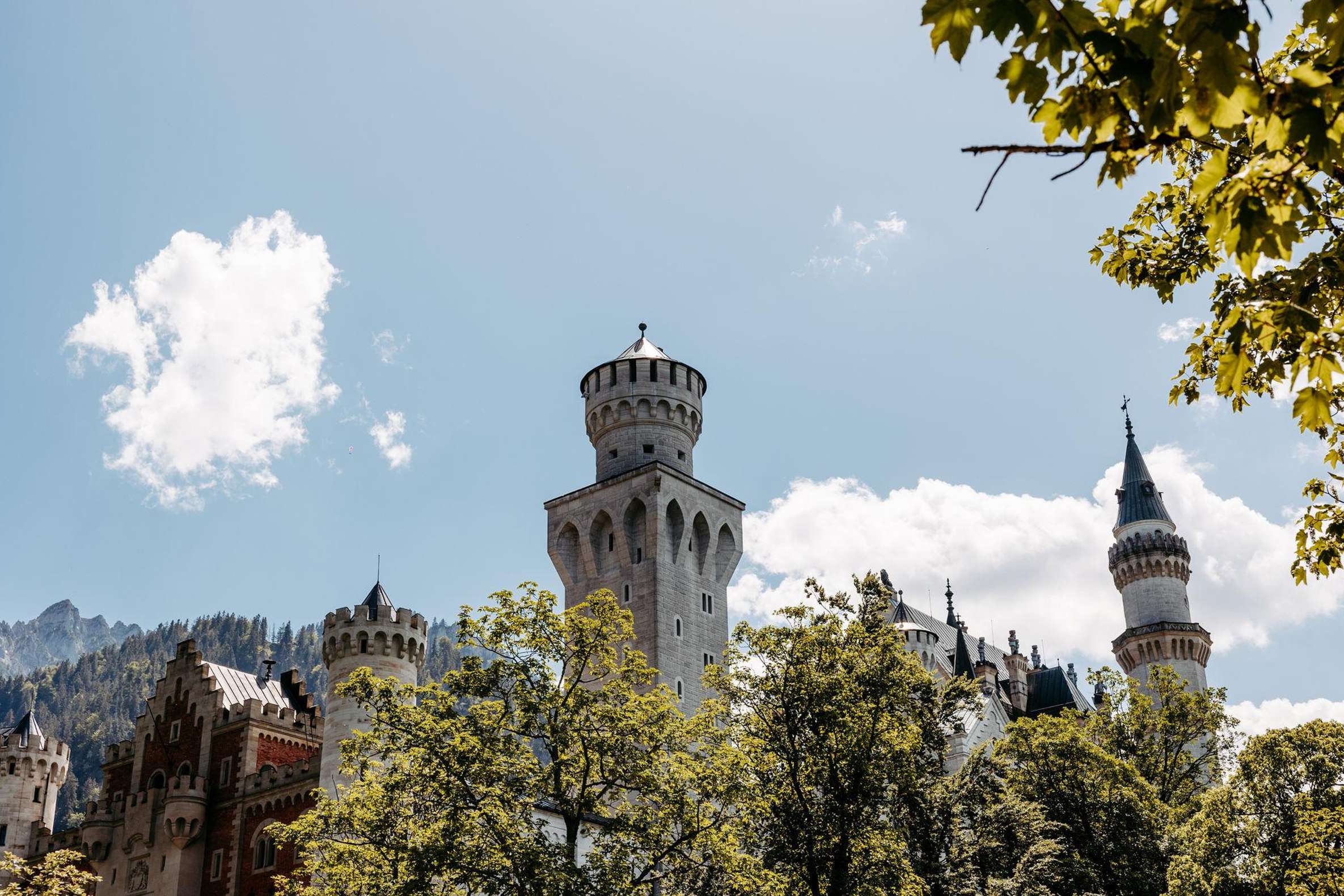
Hohenschwangau Castle can fit into the same day if you plan a full visit. Allow at least 2.5 hours between the two castle tour times, since both involve uphill routes and timed guided tours. Combination tickets cover both castles for one visit date.
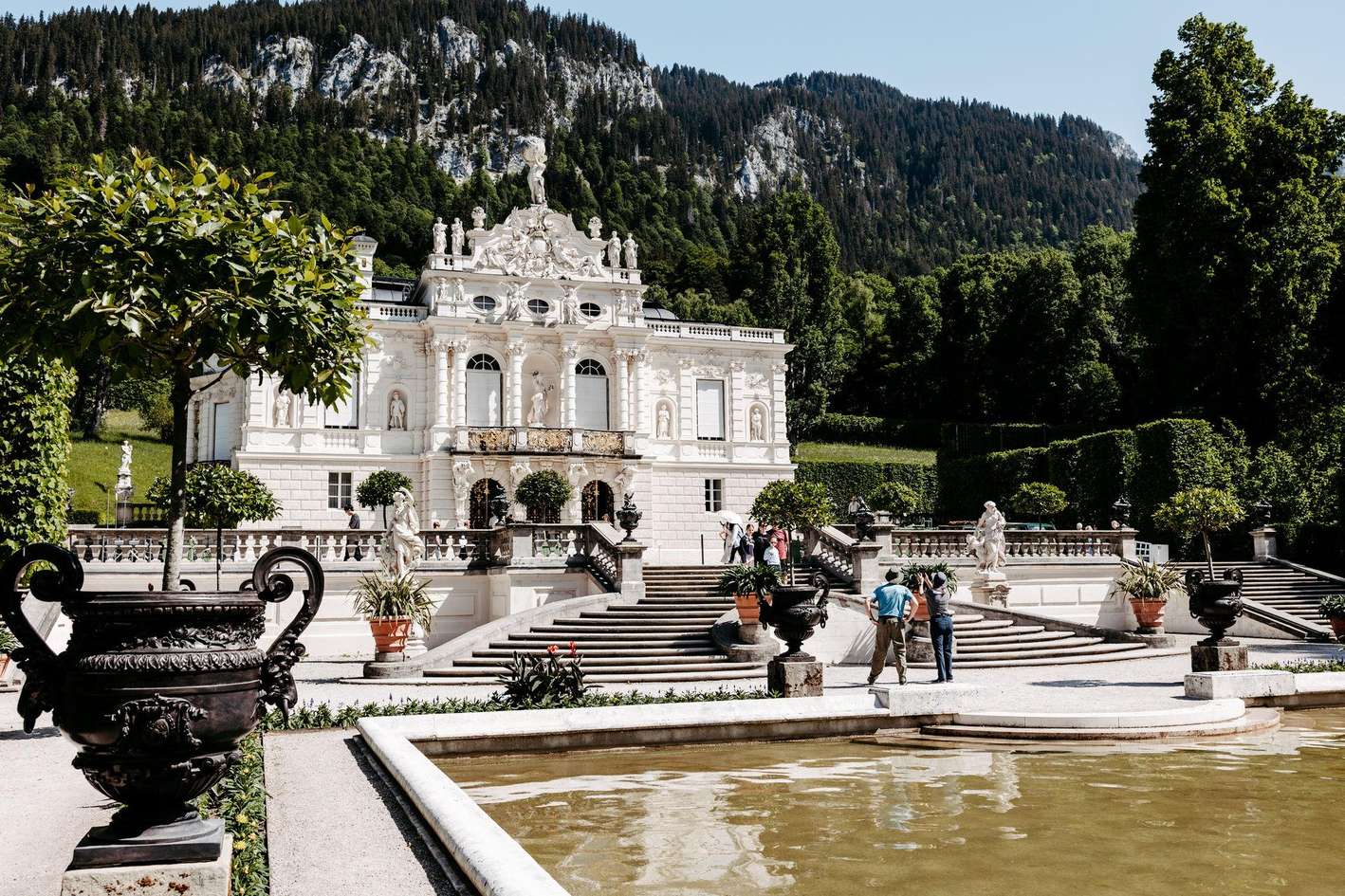
Linderhof changes the pace of a two-palace day. From April 15 to October 15, both palaces open from 9 am to 6 pm. From October 16 through winter, Neuschwanstein closes at 4 pm and Linderhof at 4:30 pm, leaving six shared opening hours; Linderhof’s park buildings are closed in winter.
Hohenschwangau is the closest base for an early castle entry. Füssen is about four kilometres away, with local bus connections; Schwangau is quieter, though getting around generally means driving or cycling. Staying overnight near Hohenschwangau can also let you see the castles lit after dark.
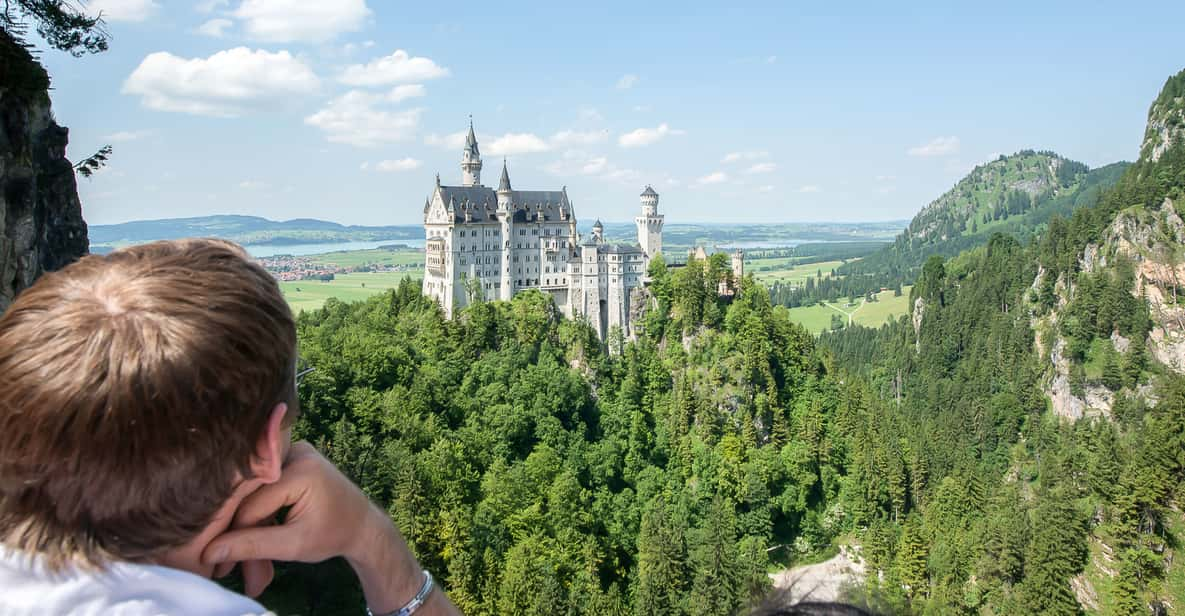
October suits clear mountain views and autumn colour; May brings flowers, while January and February are quieter and may have snow. The castle stays open through winter except for four holiday dates. Book a timed entry well ahead, then choose a morning slot to make the most of daylight and calmer paths.
If your date lands in peak season, a guided castle tour holds a timed interior slot when tickets are scarce.
A small-group day trip hands transport and castle timing to a guide, useful when winter daylight runs short.
In peak months, a skip-the-line ticket fixes your entry time while walk-up travelers queue at the counter.
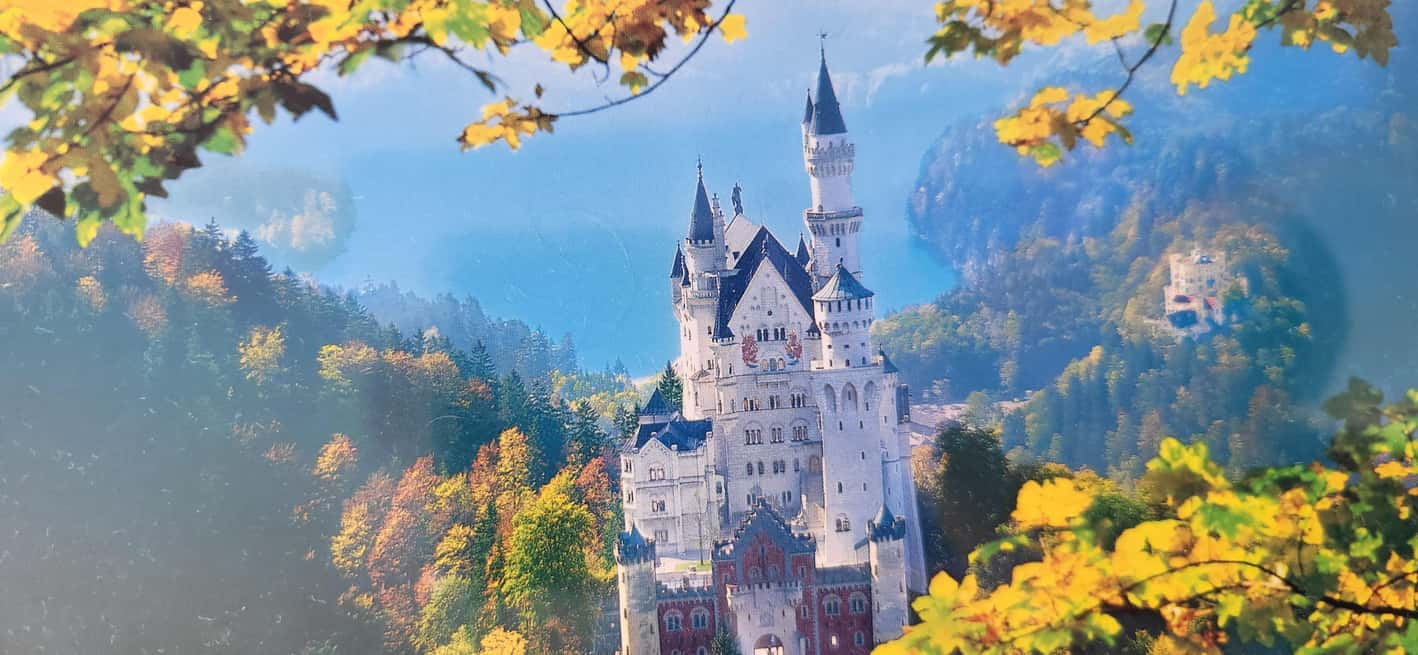
The cycling season runs roughly June through September; bike routes pair the lakeside with the castle.
Summer dates allow the longest day trips: Neuschwanstein and Linderhof fit together in about 10.5 hours.
Road trippers get route options and the winter tyre rules that come with alpine driving.
Munich departures run all year; compare coach, van and small-group train trips for your month.
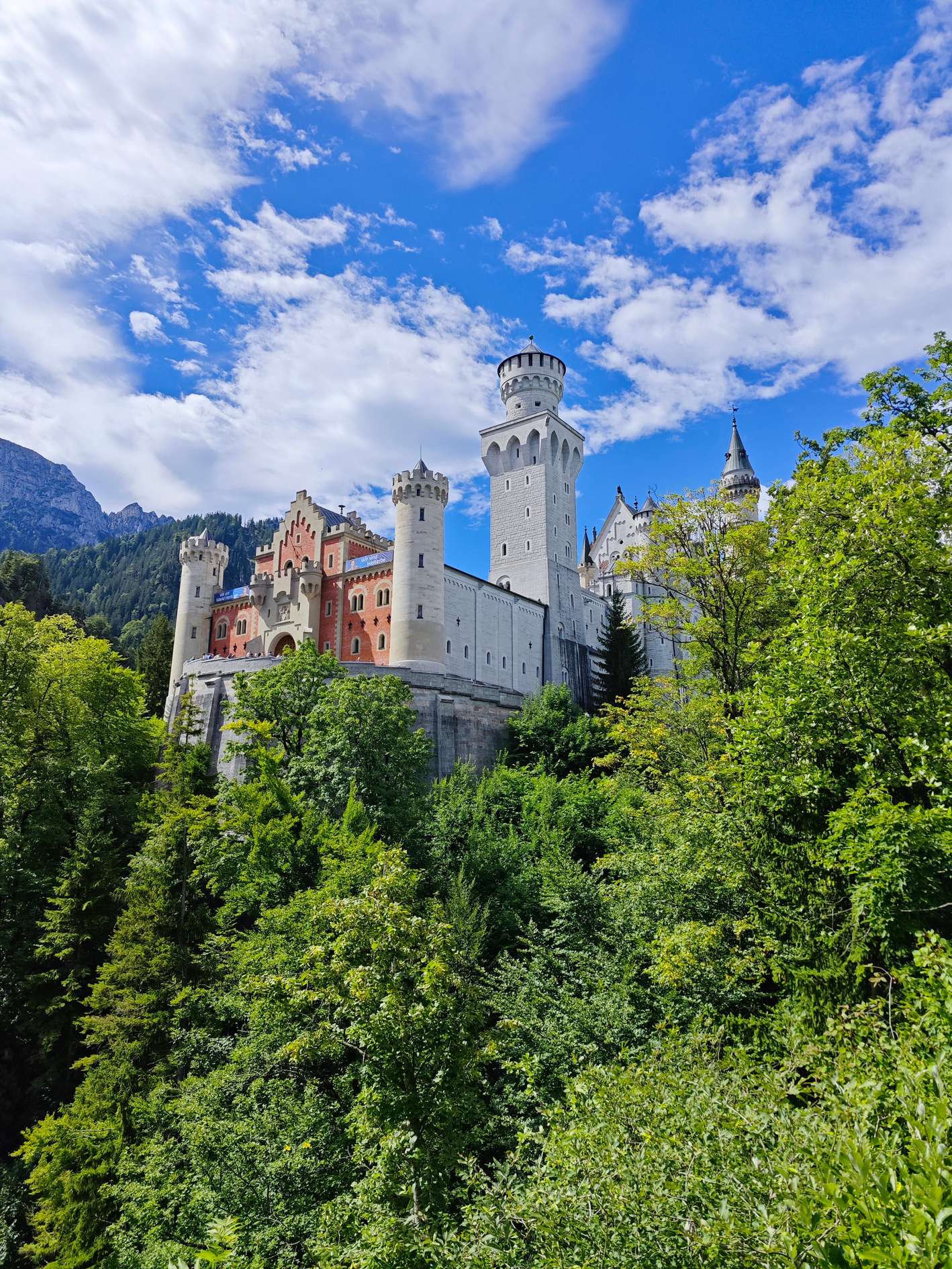
For Füssen stays, bus 78 and the uphill walk shape the morning more than the season does.

From Garmisch, the direct bus takes about two hours, and a tour spares you winter driving on alpine curves.
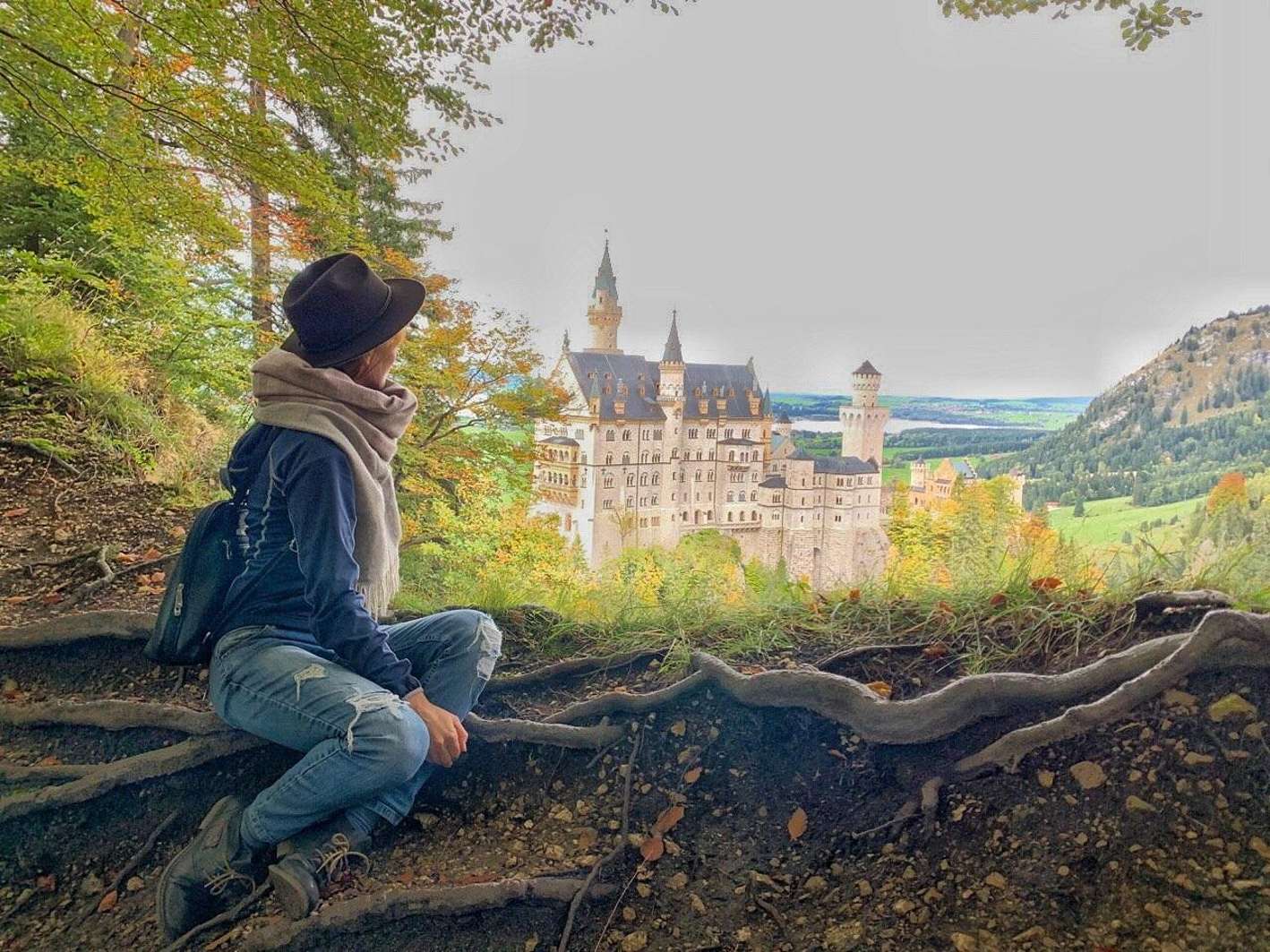
Innsbruck day trips cross into Germany, so keep a passport or ID card handy for possible border checks.
Salzburg has no direct coach to the castle, so plan on a booked tour paired with cross-border transfers.
Whichever month you choose, the trains and buses all end in the Hohenschwangau valley below the castle.
Tickets can sell out months ahead in the busy season, so match your date to what is still bookable.
With a stroller in tow, the uphill walk and the castle's storage rules matter more than the season.
Straight answers on opening hours, closures, crowds and sellouts, so you can pick the best time to visit Neuschwanstein Castle.
 Schwangau2026
Yes. The castle opens daily from 10 am to 4 pm through the winter, closing only on December 24, 25 and 31 and January 1. All other public holidays run as normal.
Four days a year: December 24, December 25, December 31 and January 1. Every other date, including public holidays, follows the normal opening hours.
From March 28 to October 15 the castle opens 9 am to 6 pm; from October 16 to March 27 it opens 10 am to 4 pm. Each admission ticket is valid for a guided tour at a set time.
It can. Travelers report timed interior tickets selling out months ahead in the busy seasons, so book as soon as your dates are fixed. One tour operator holds pre-reserved tickets even on sold-out days.
Sometimes. A limited number of same-day tickets go on sale at the Hohenschwangau Ticket Center at 8 am, but they may be gone by late morning, and they come with a line and a later entry slot.
Early morning. Arriving before 9 am, or later in the afternoon, keeps the shuttle queues and courtyards calmer. The heaviest congestion on the footpaths builds from late morning into the afternoon, especially near Marienbrücke.
Autumn. October averages about 21 sunny days, and dry Föhn winds give crystal-clear visibility across the ridges, with fall foliage below and early snow on the peaks. Summer has the most reliable blue skies but the biggest crowds.
No. The castle stays open daily through winter, though snow and ice can close the Marienbrücke bridge and stop the uphill shuttle bus. The castle route and guided tours continue either way, so you may just need to walk up.
Budget about 3¾ hours for the complete stop. That covers the 30 to 40 minute uphill walk from the ticket center, the roughly 30-minute interior tour, and time for the viewpoints and the village.
You can see the exterior and walk to Marienbrücke for free, but you cannot enter the courtyard or the rooms without an admission ticket. The bridge needs no ticket either, though it may close in icy weather.
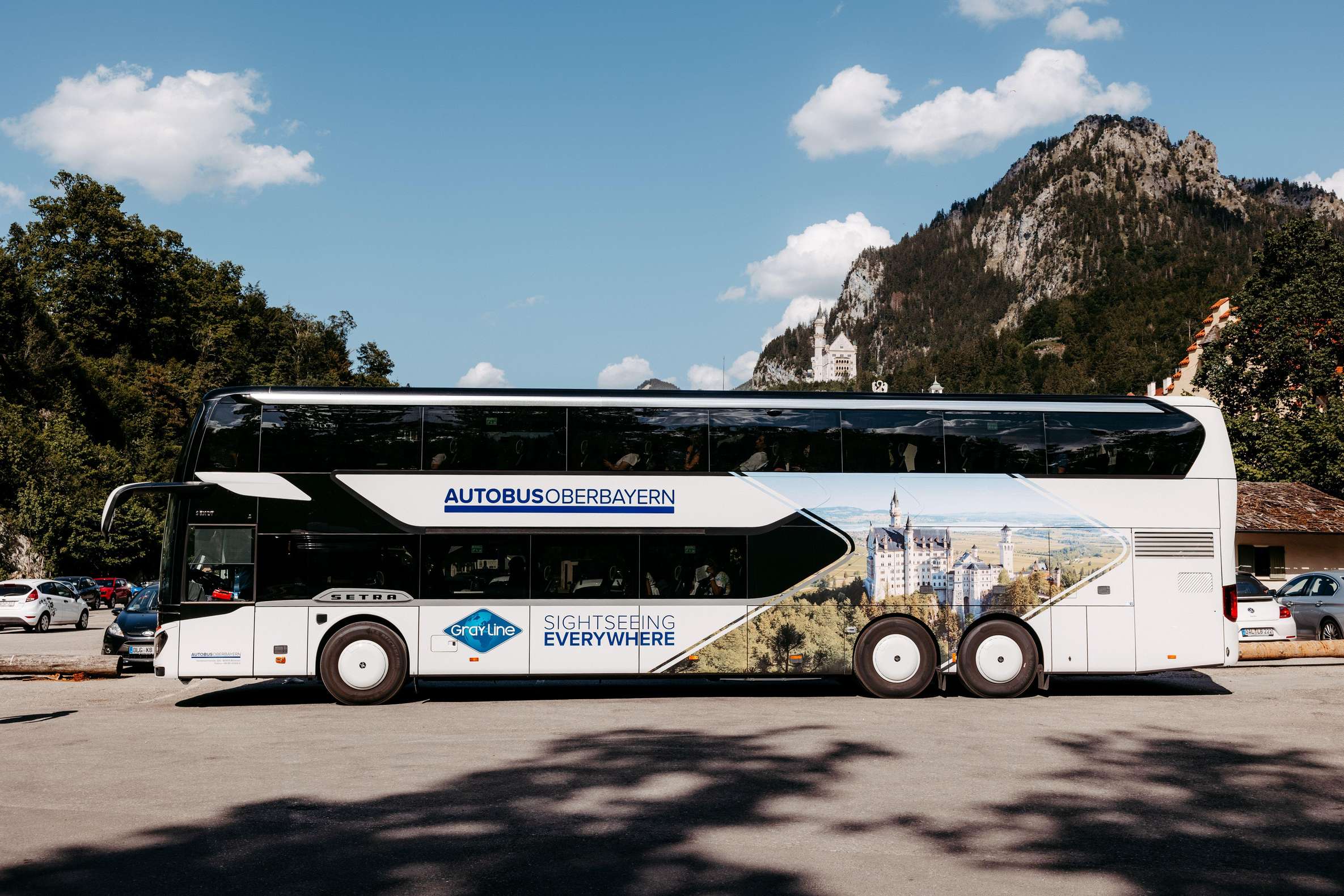
One full day from Munich covers Neuschwanstein and Linderhof with your castle tickets arranged, and you can cancel up to 24 hours ahead for a full refund.