
 Our top pick
From Munich: Premium Neuschwanstein Small-Group Train Tour
Full-day guided experience (approx. 10 hours)Neuschwanstein Castle Entry TicketSmall group limited to 10-12 guests
From$155 /person
See dates and book Free cancellation
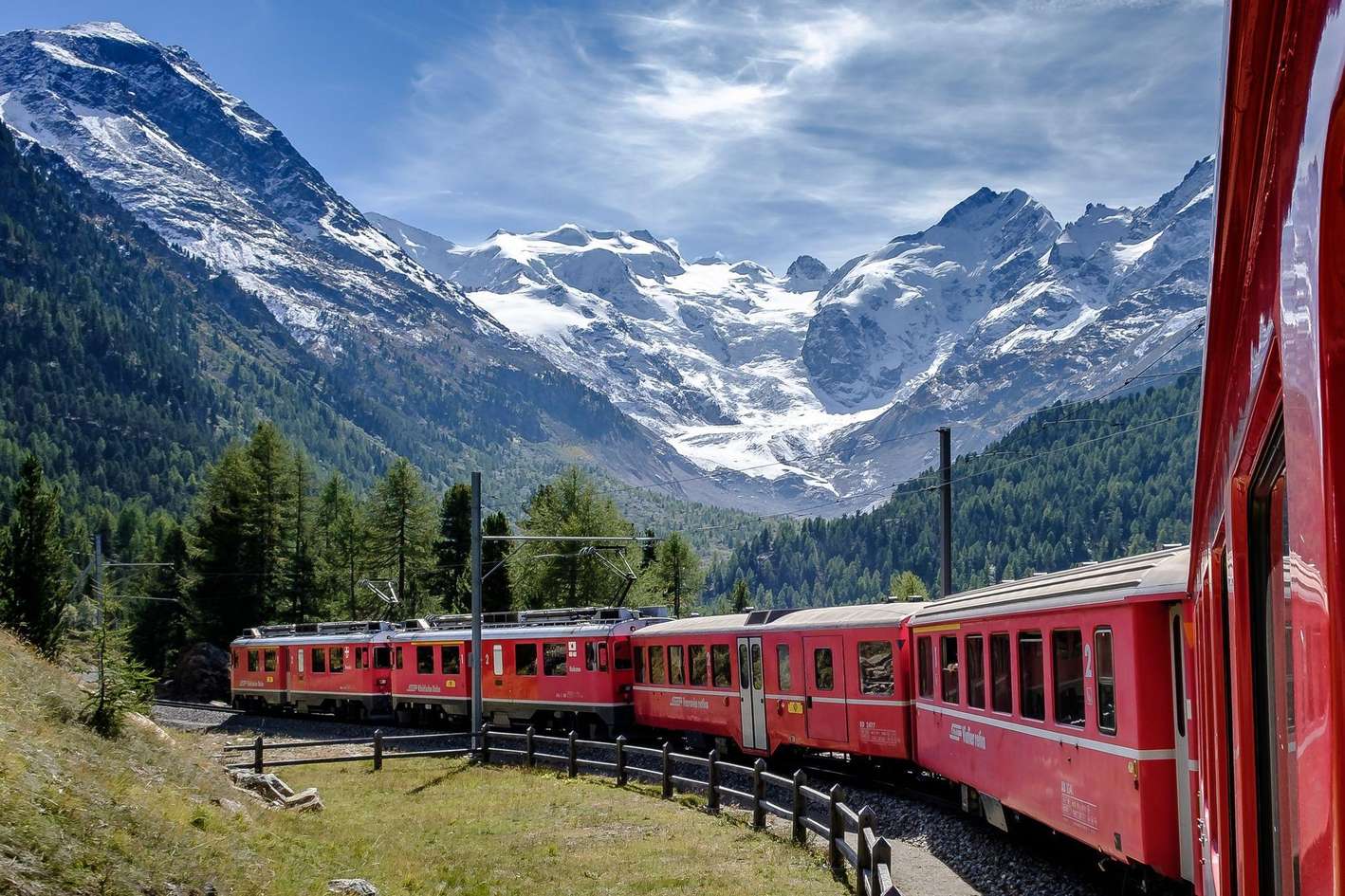
Plan the whole route to the castle gates without the timetable stress. Take a small-group train tour from Munich with round-trip rail, local transfers and your castle entry ticket handled for you. 1,200 travelers made the Bavarian rail journey in calm, small groups.
“Phenomenal! Perfectly organized, our guide was friendly and knew his stuff, and the castle blew us away. Exceeded our expectations. Highly recommend this tour!”
Every tour here starts in or near Munich and delivers you to the castle gates, with transport and castle entry handled for you. Days run from 7 to about 10.5 hours.
Our top pick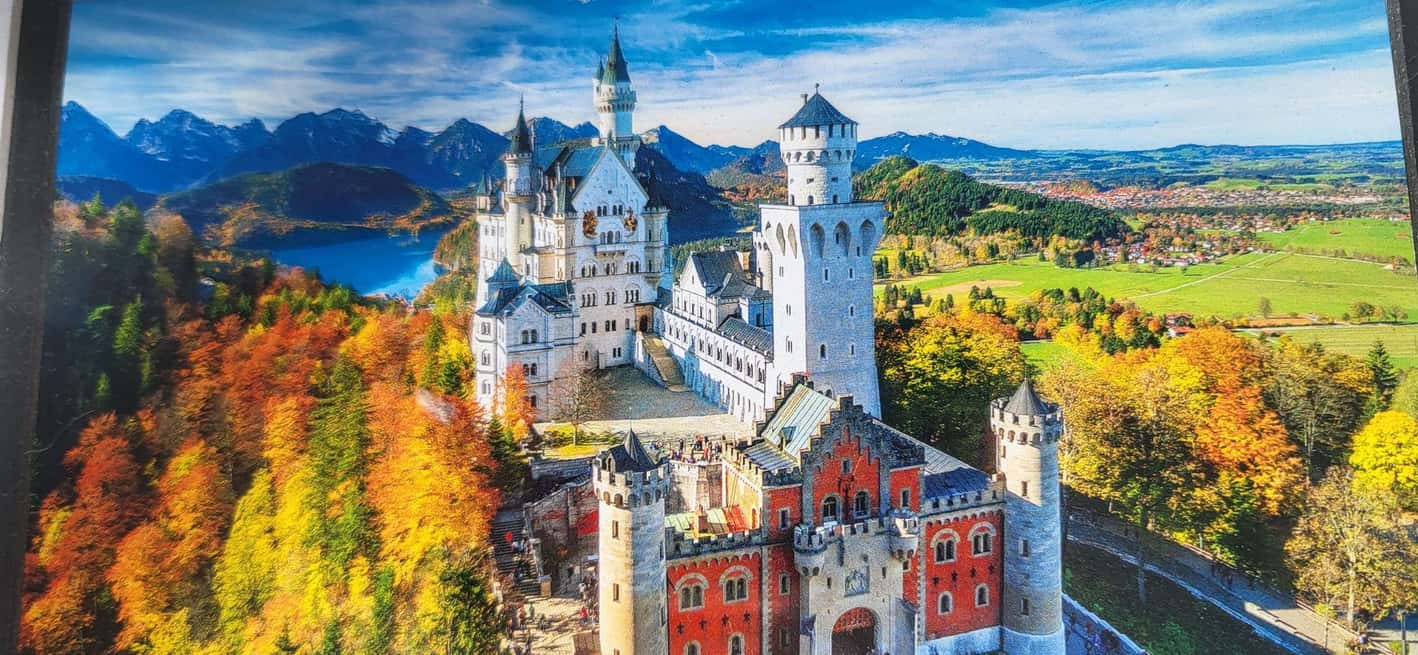
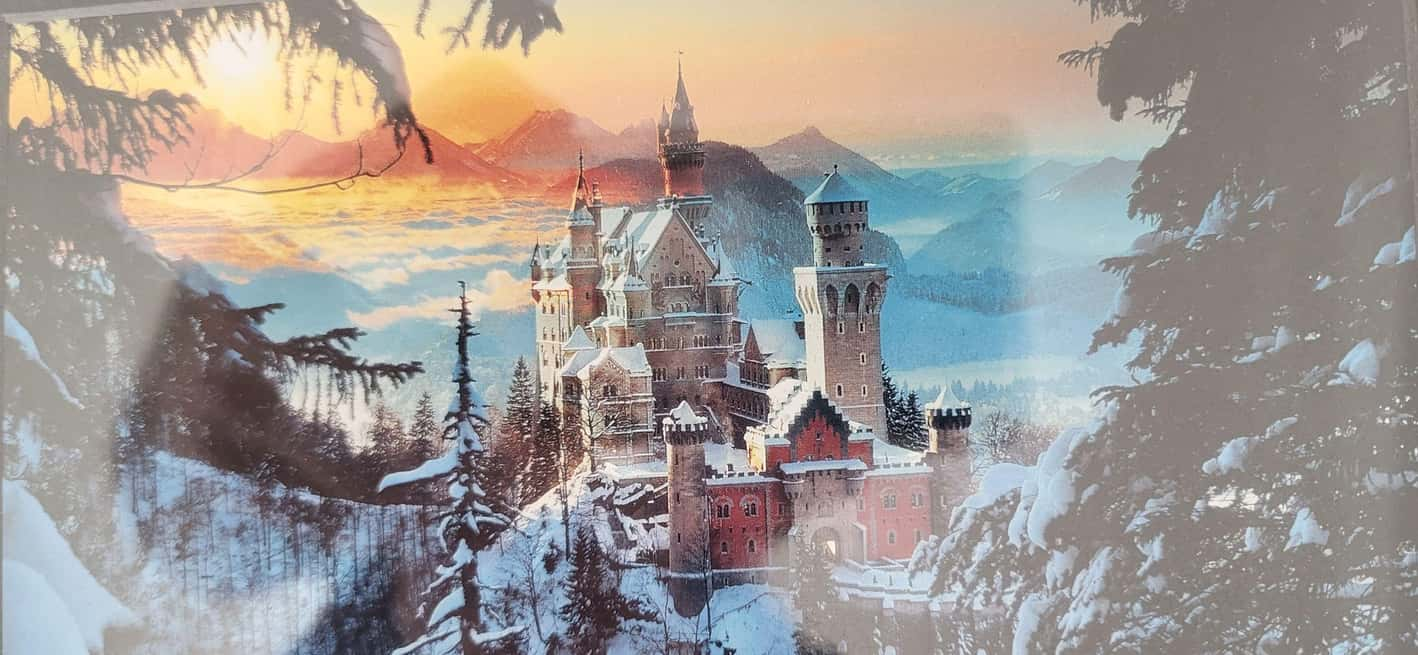


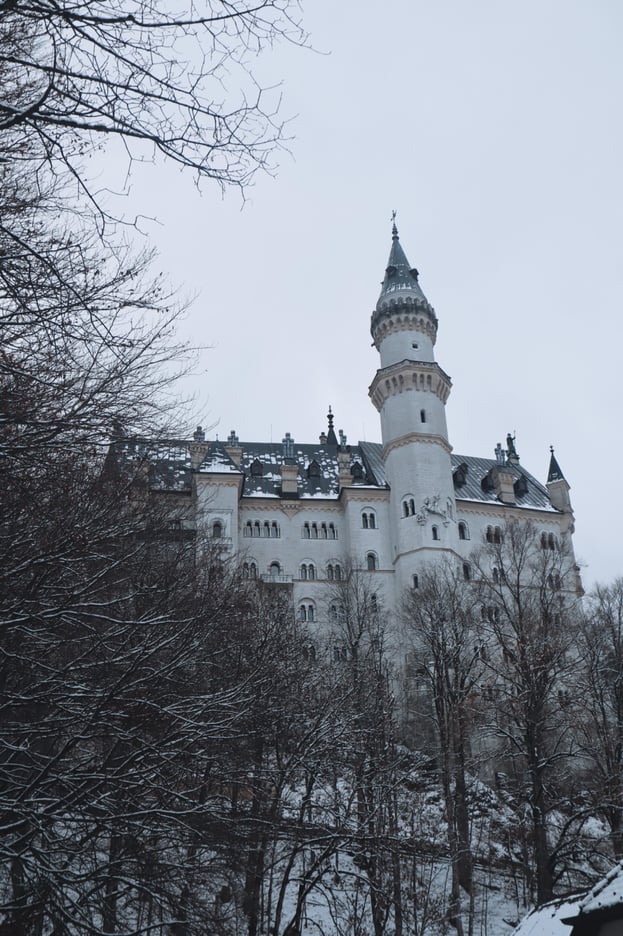
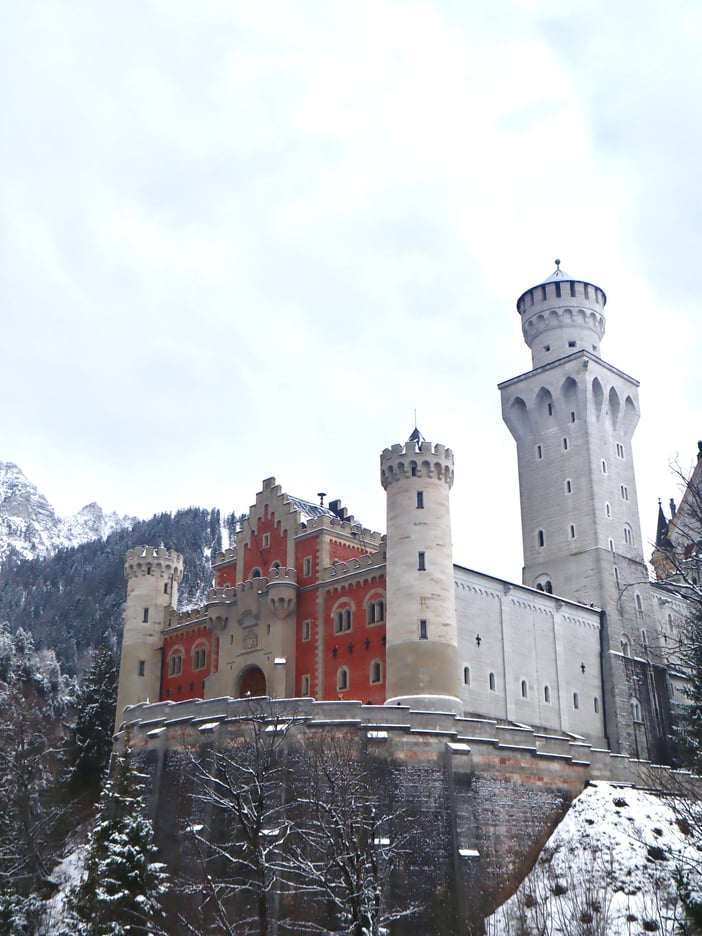
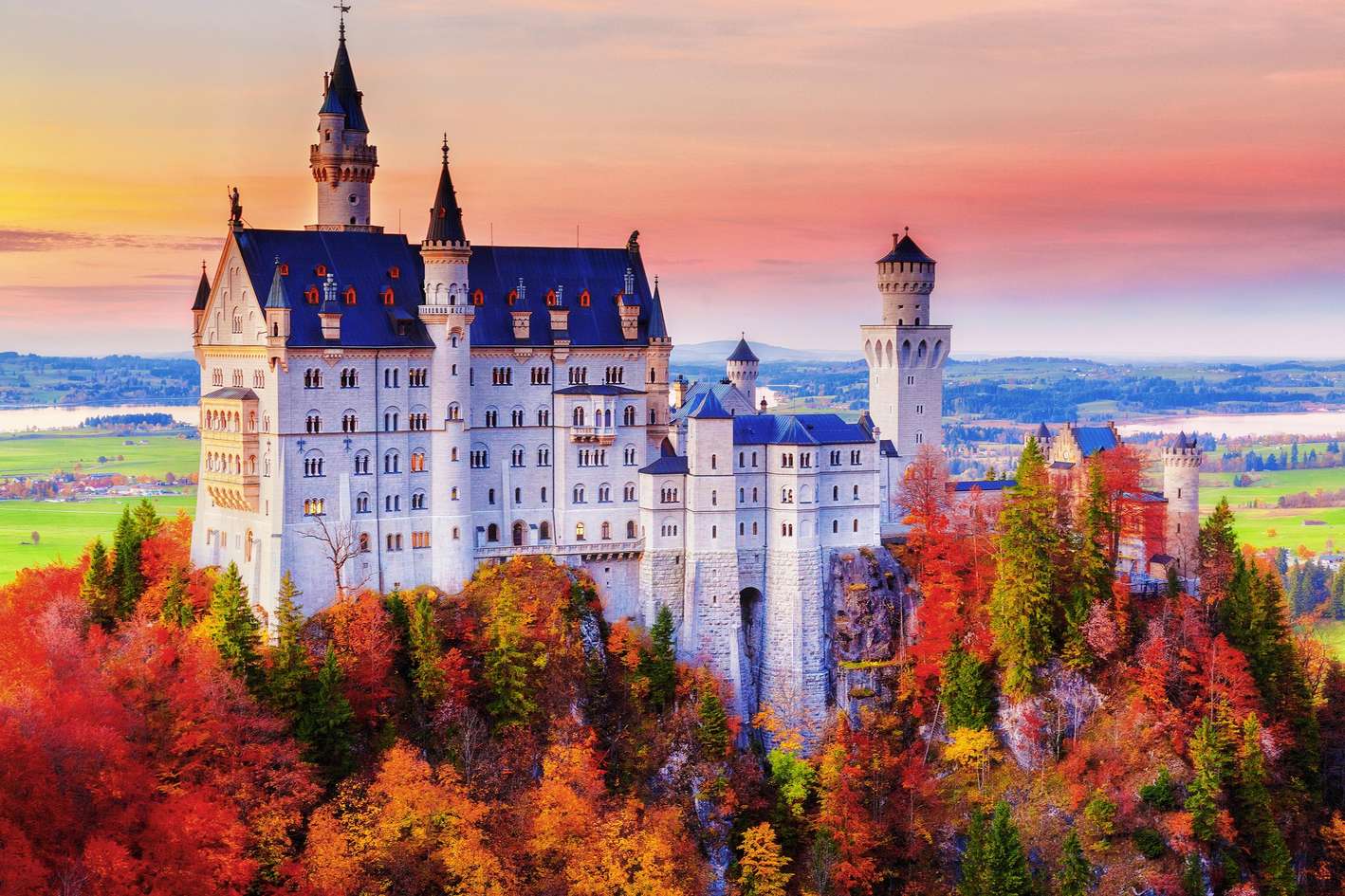
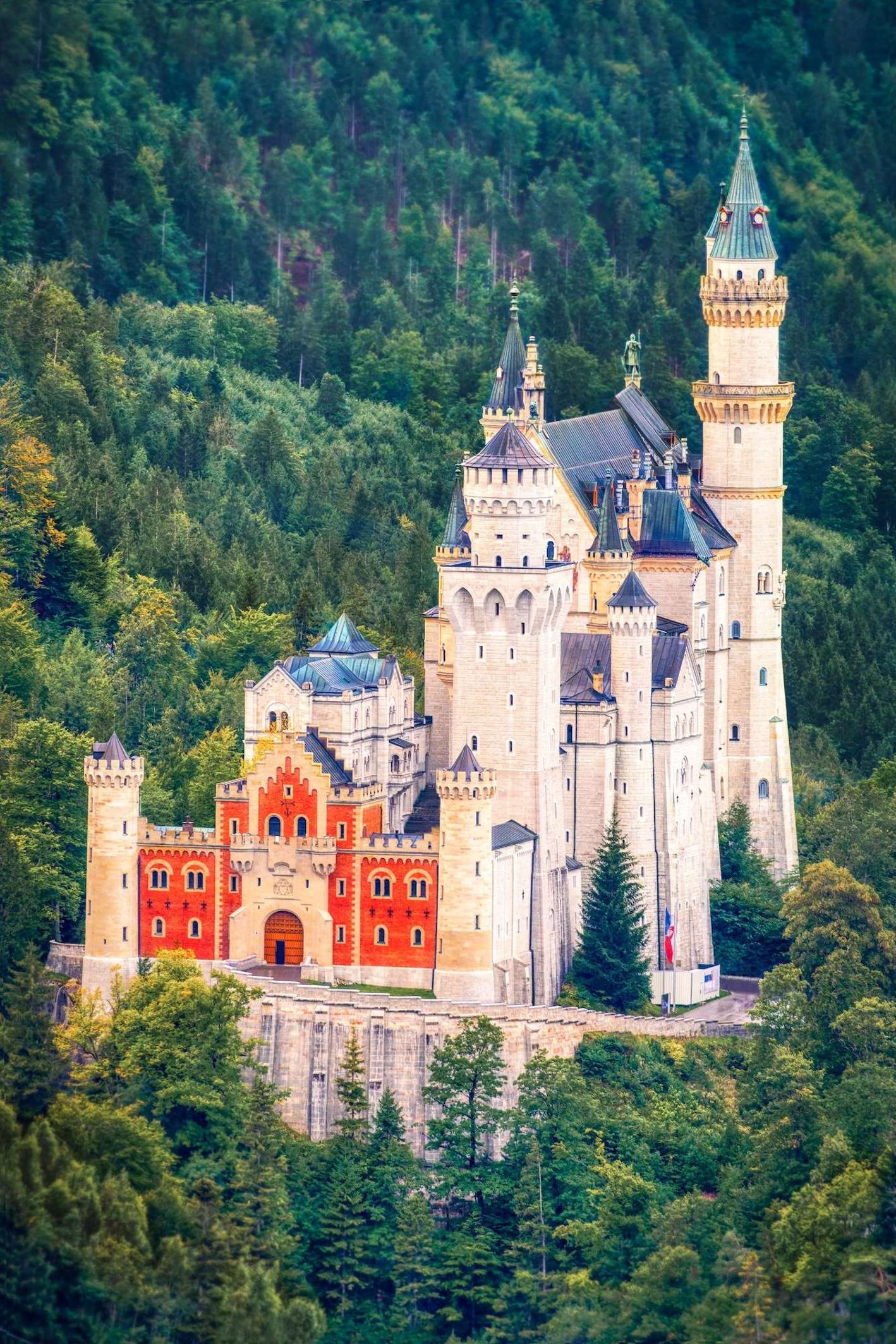
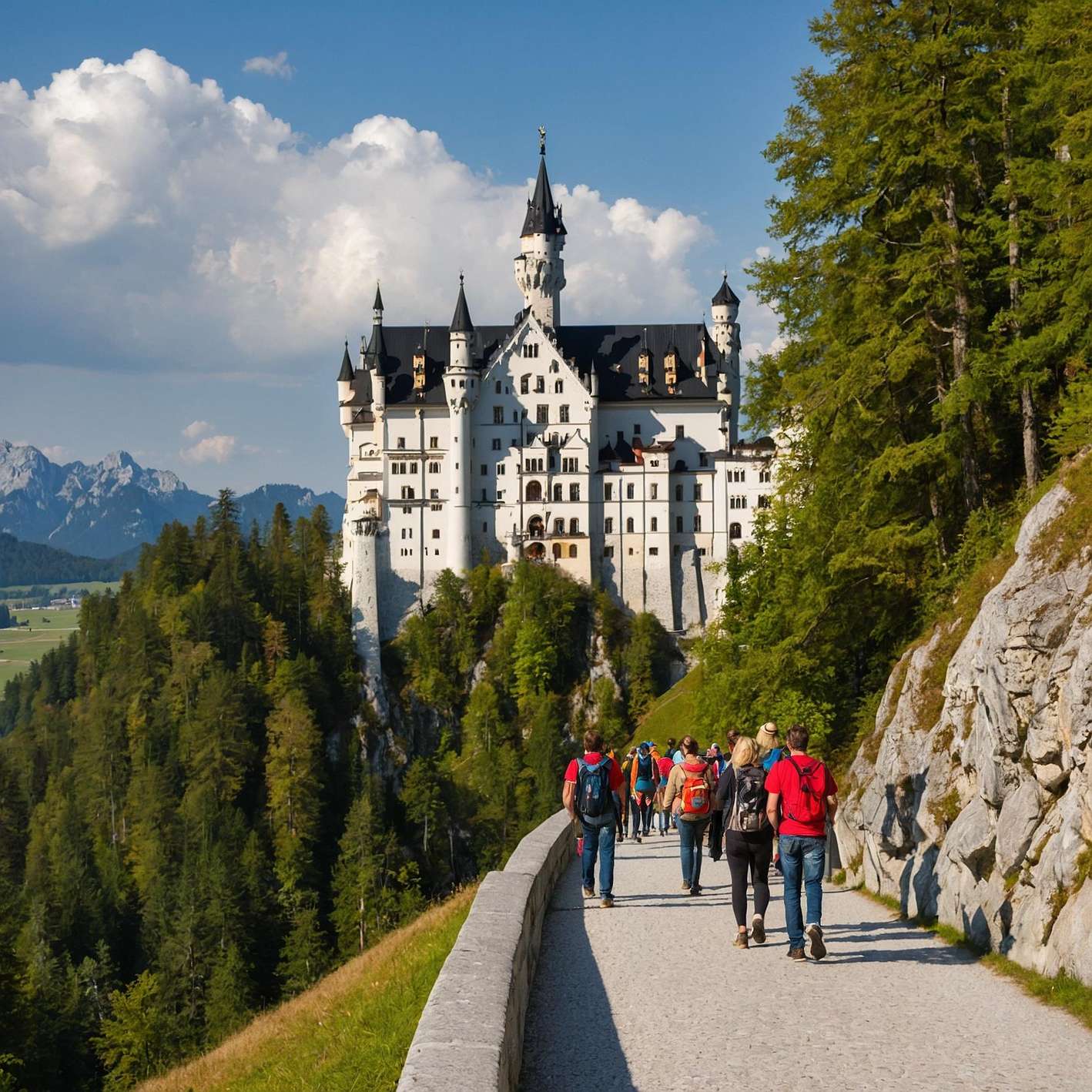

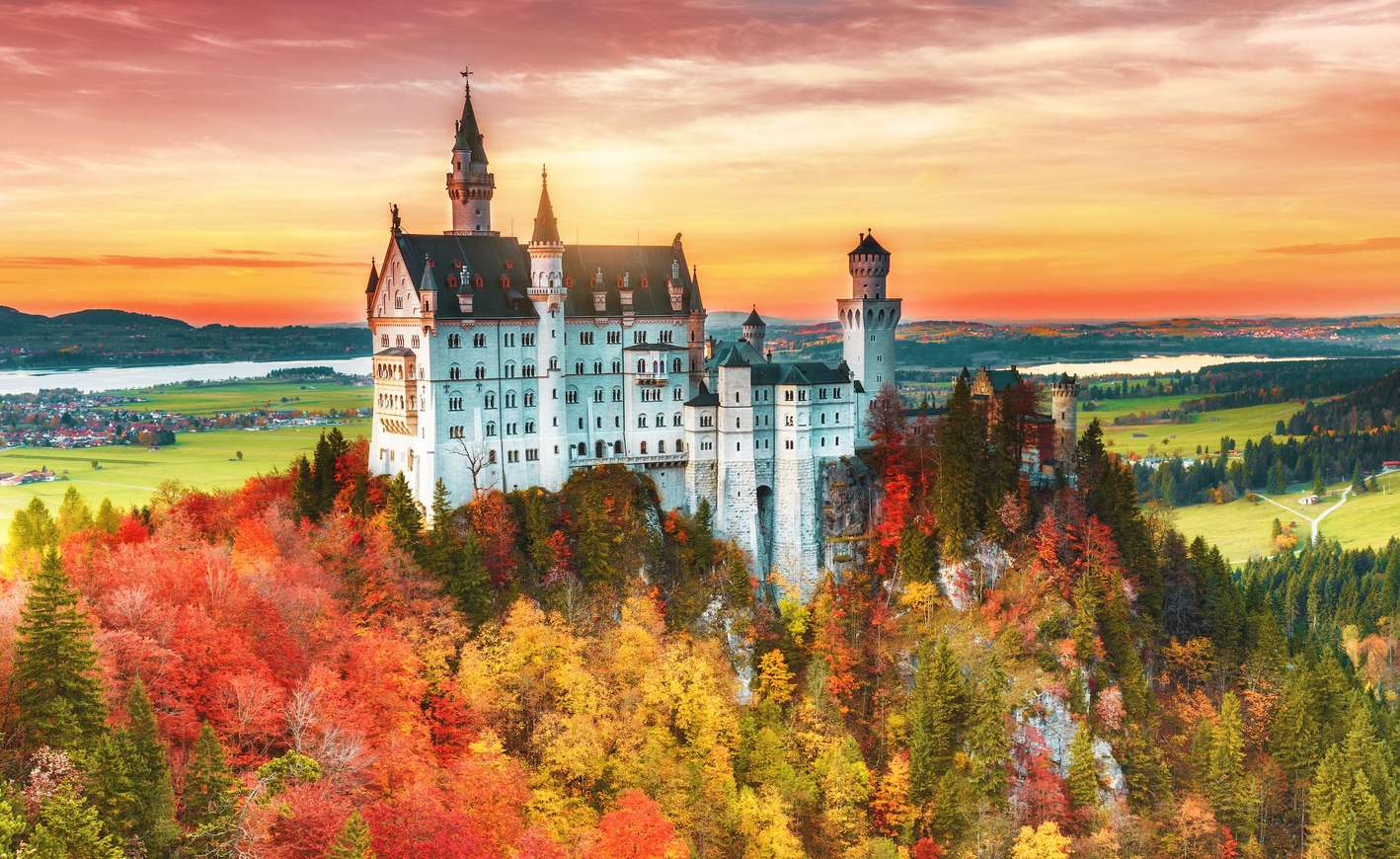

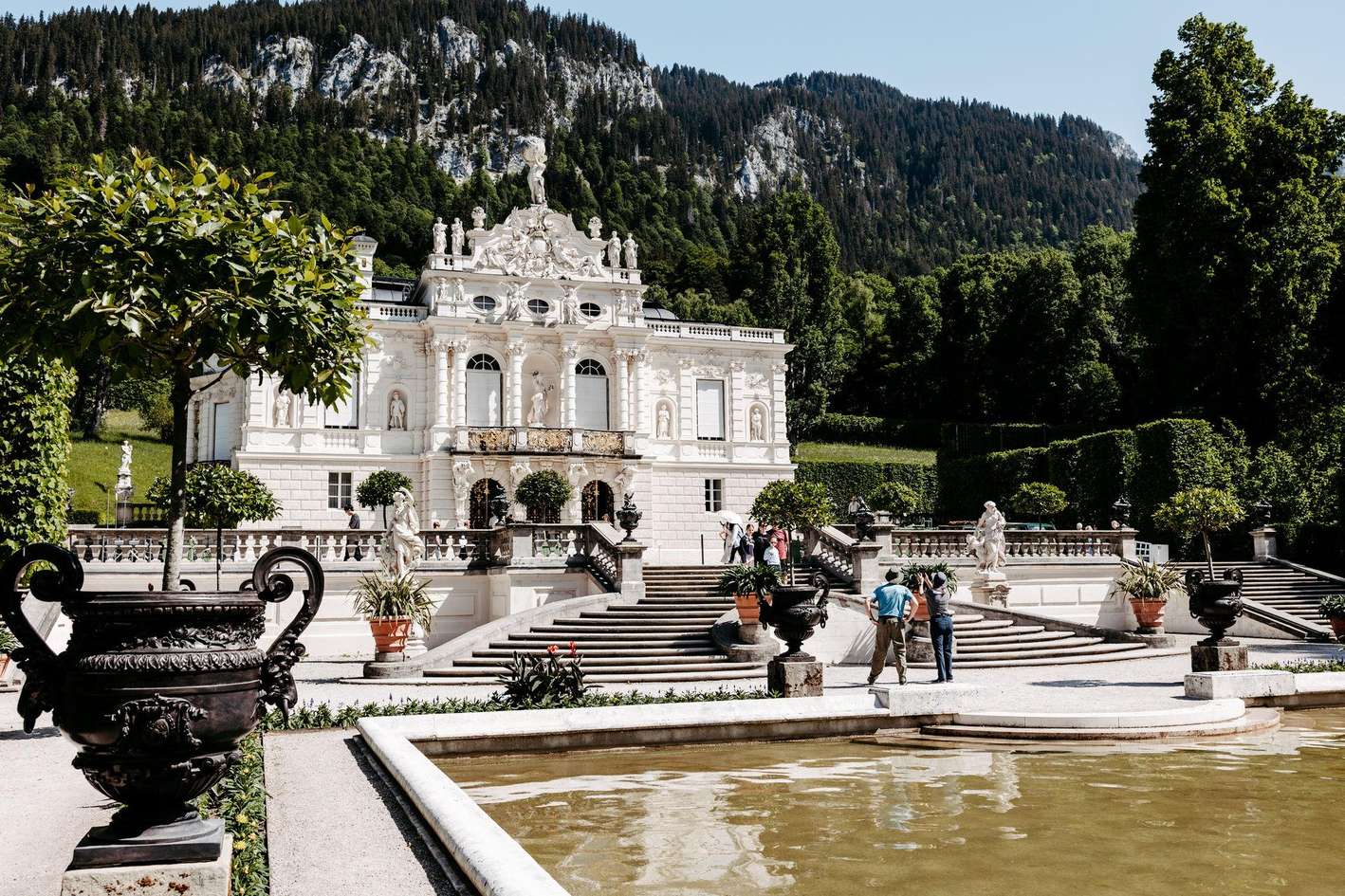
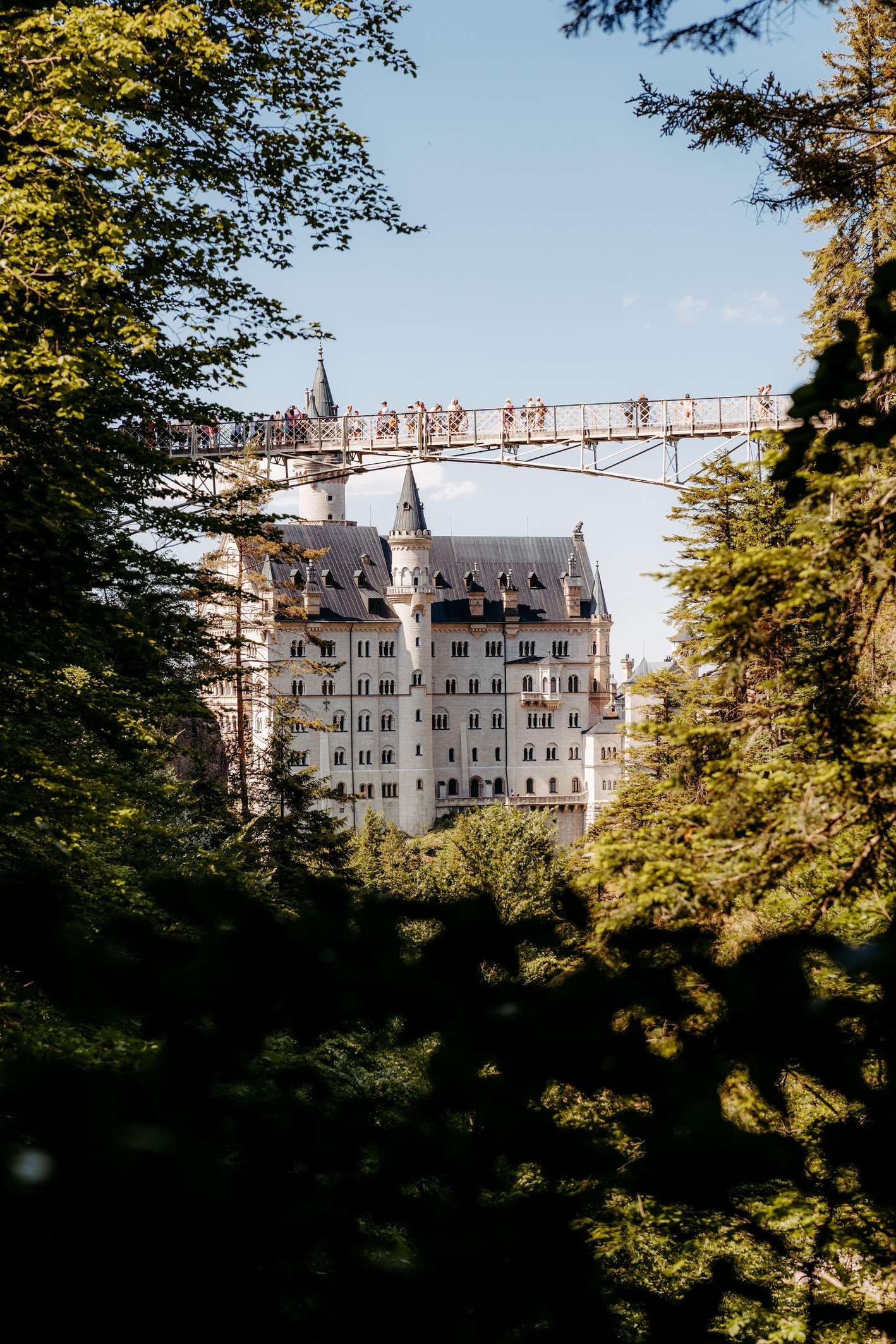
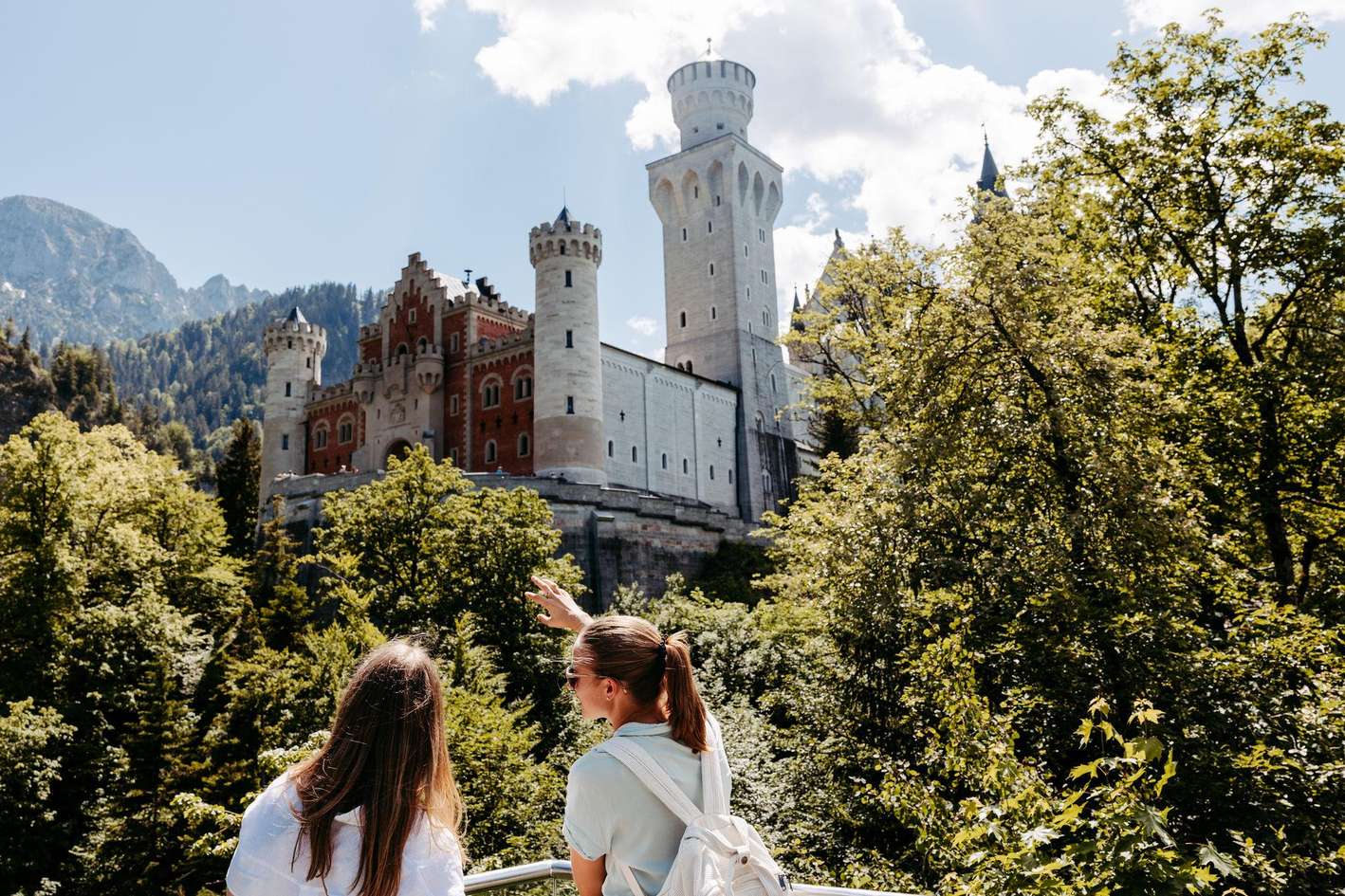

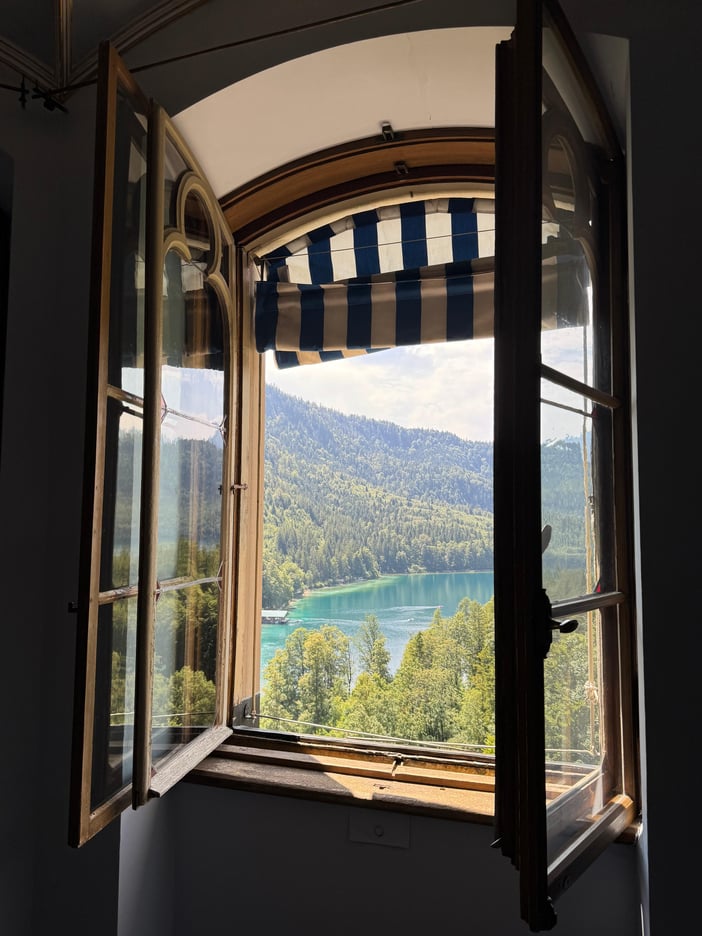
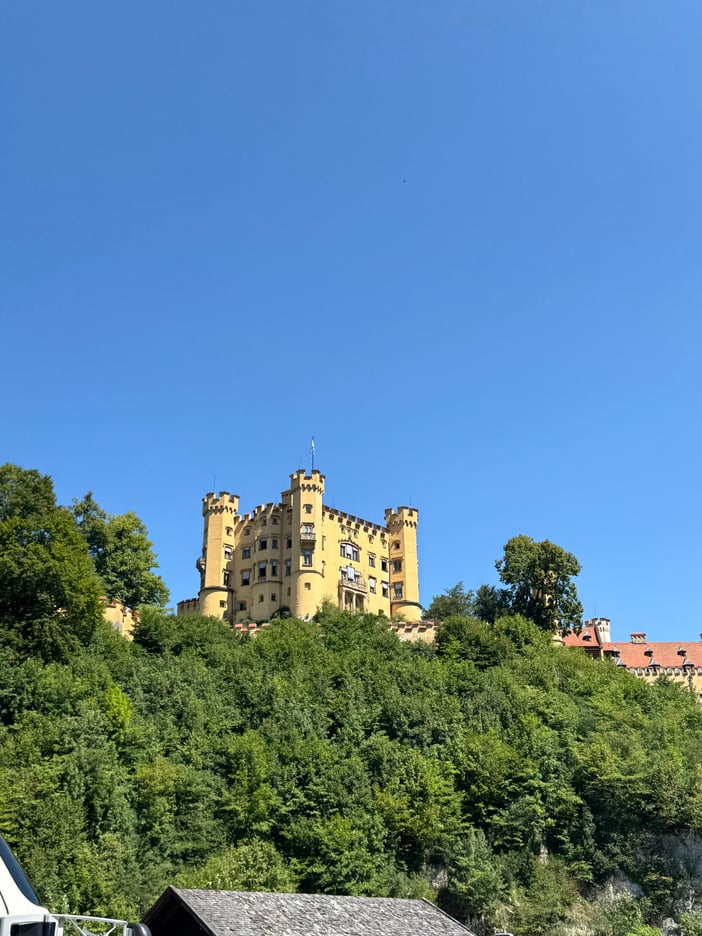
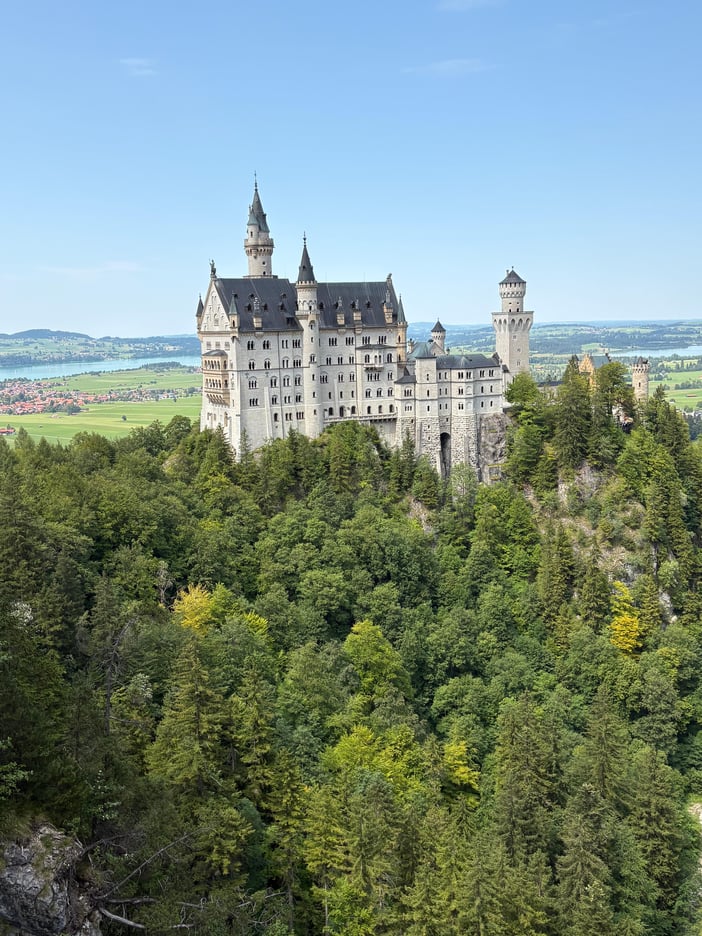



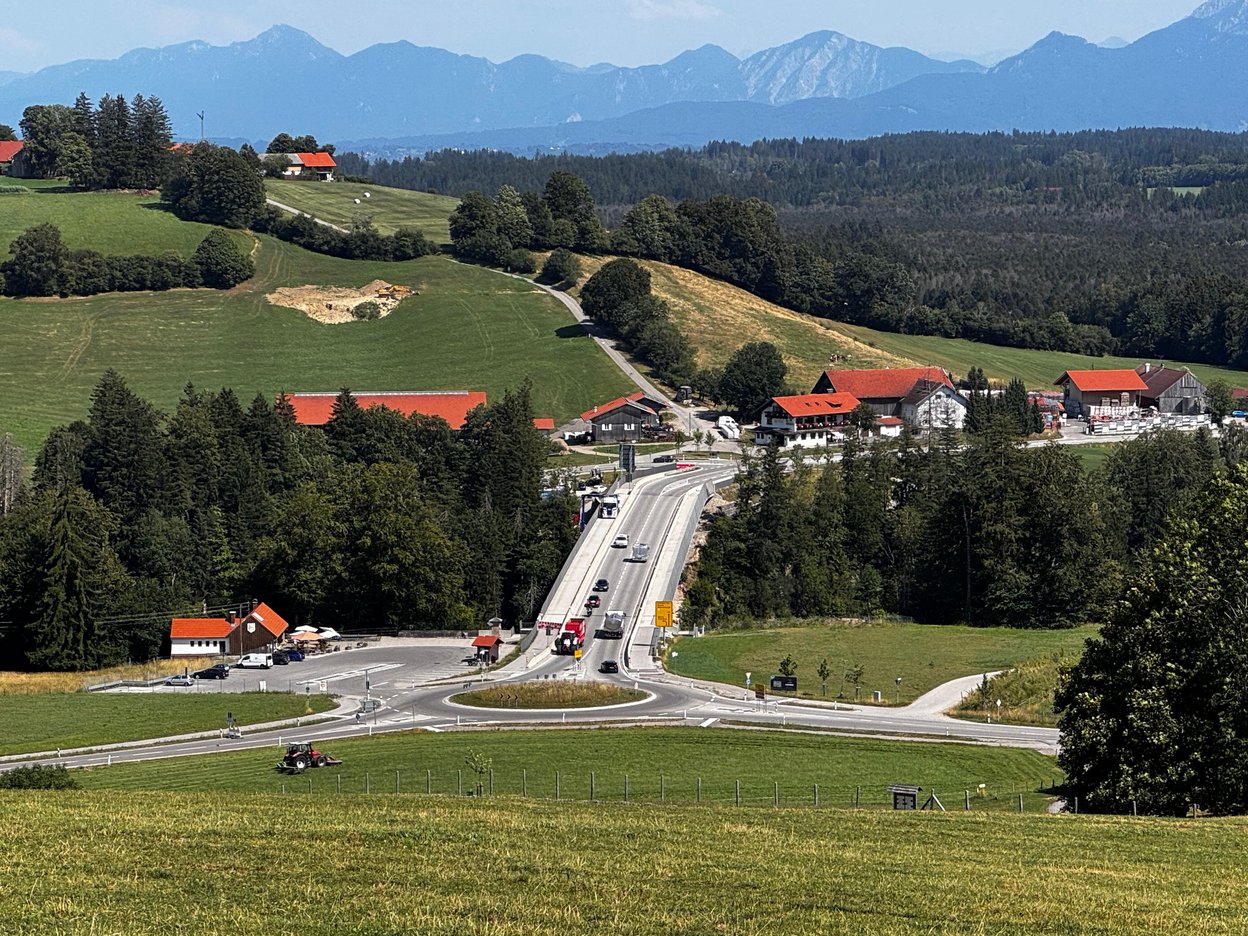
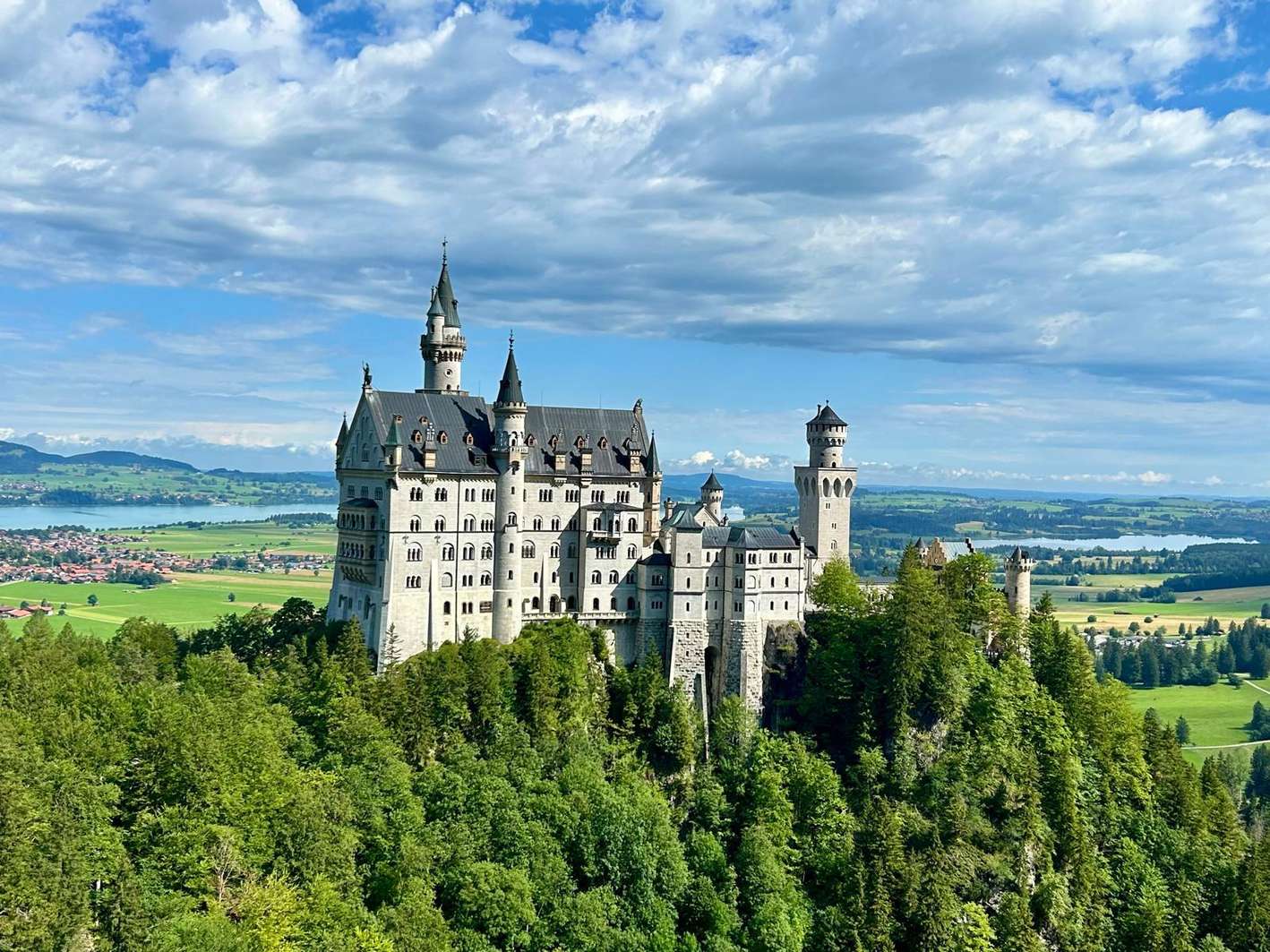
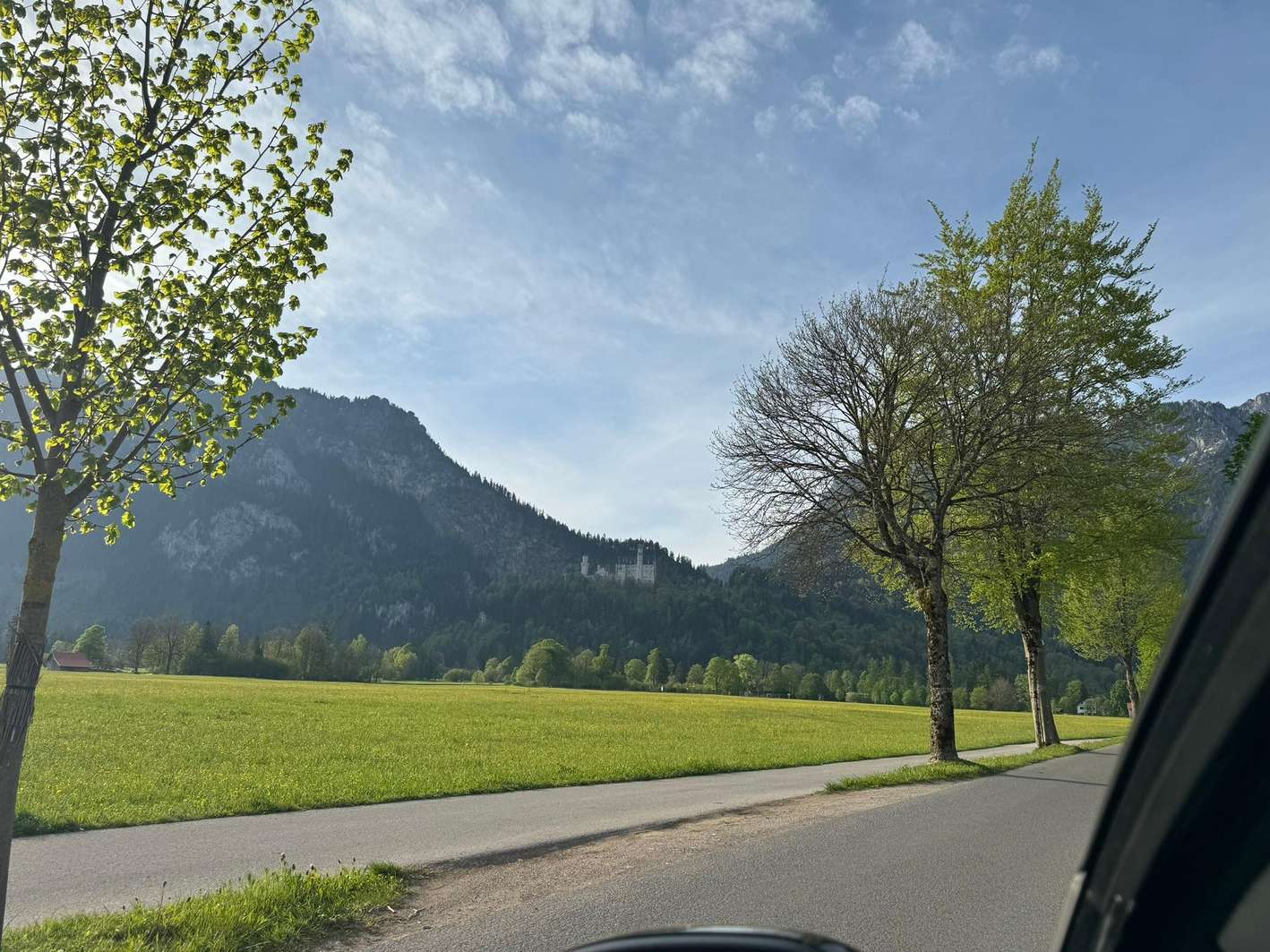
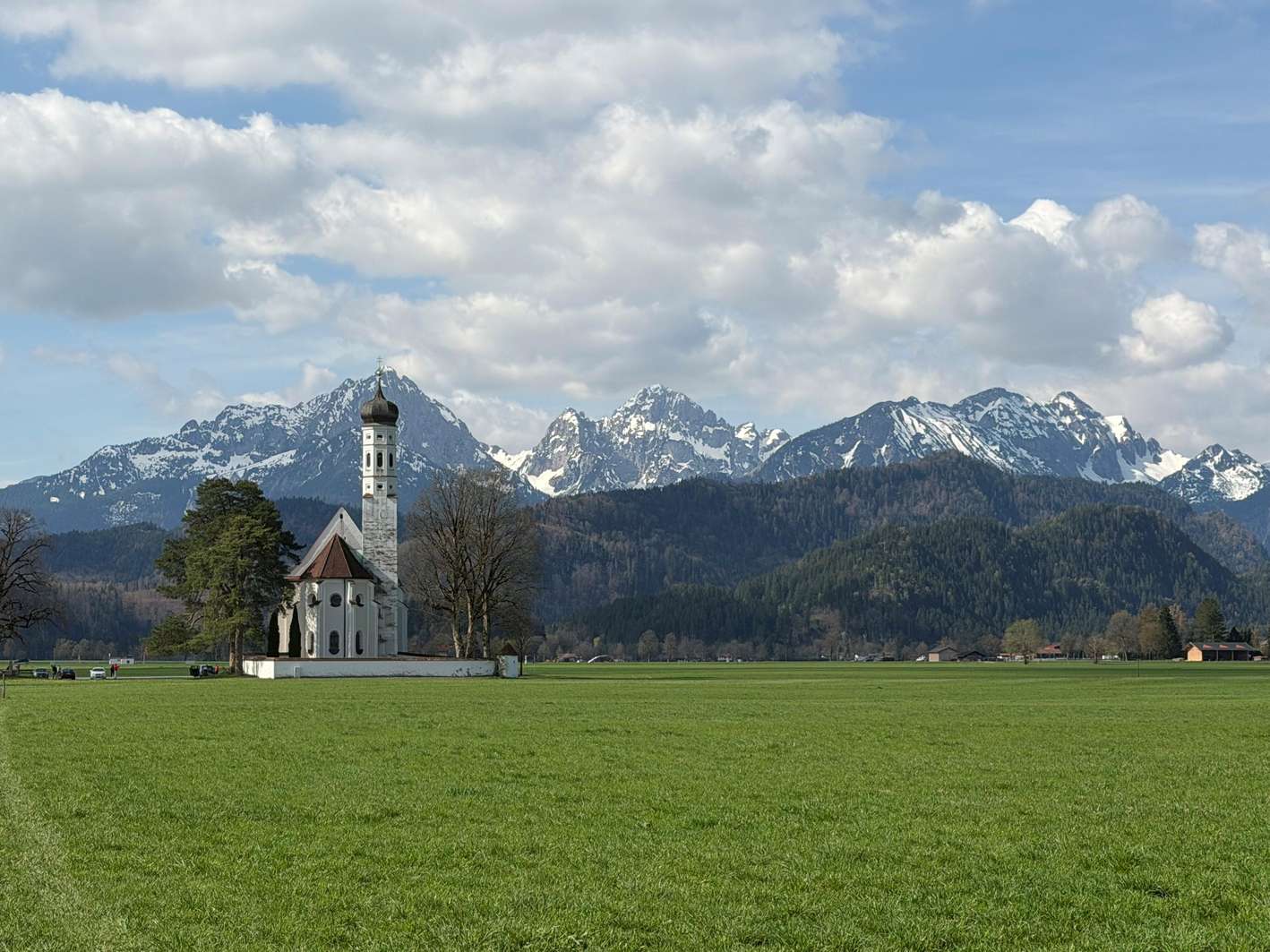
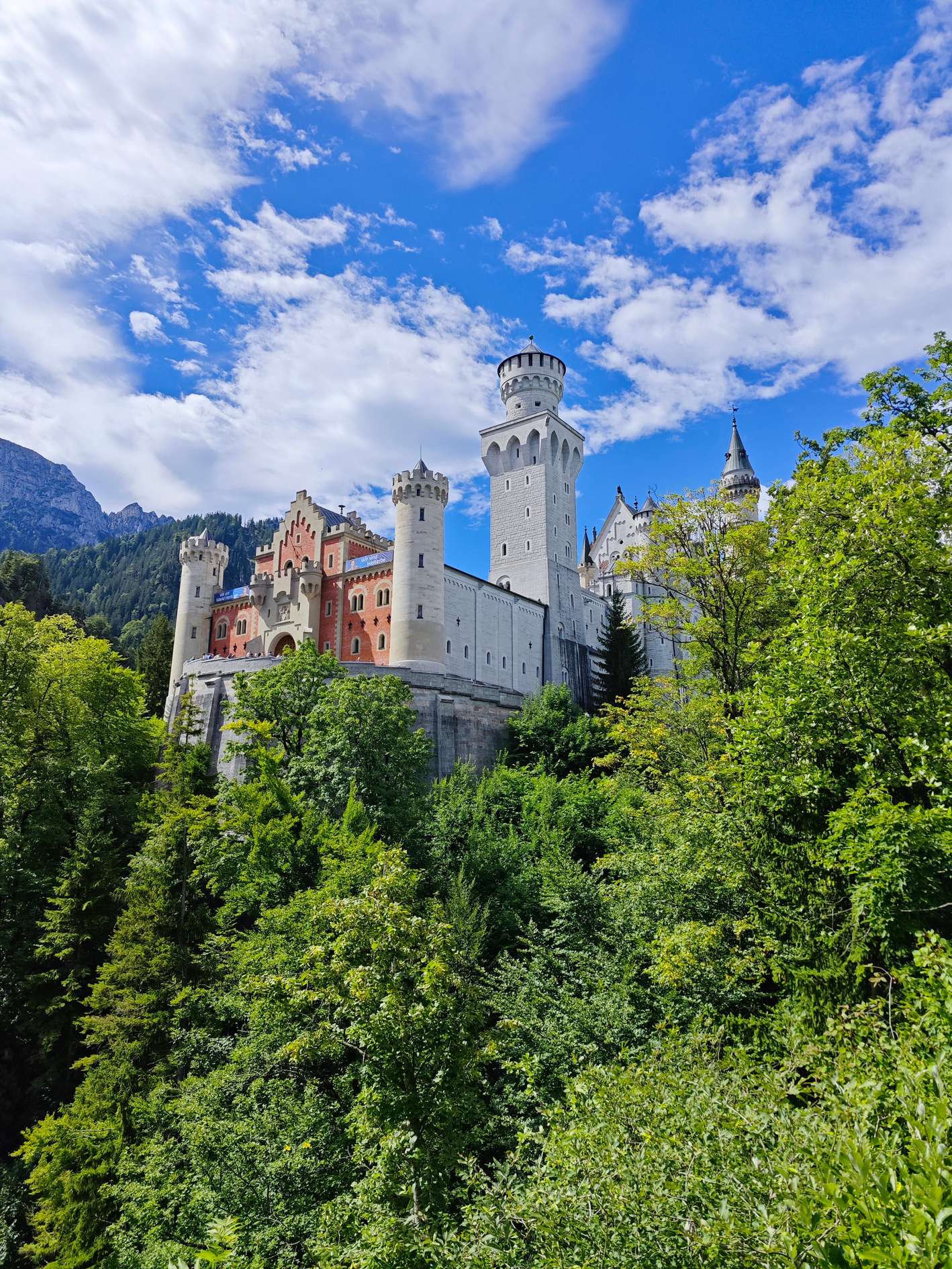
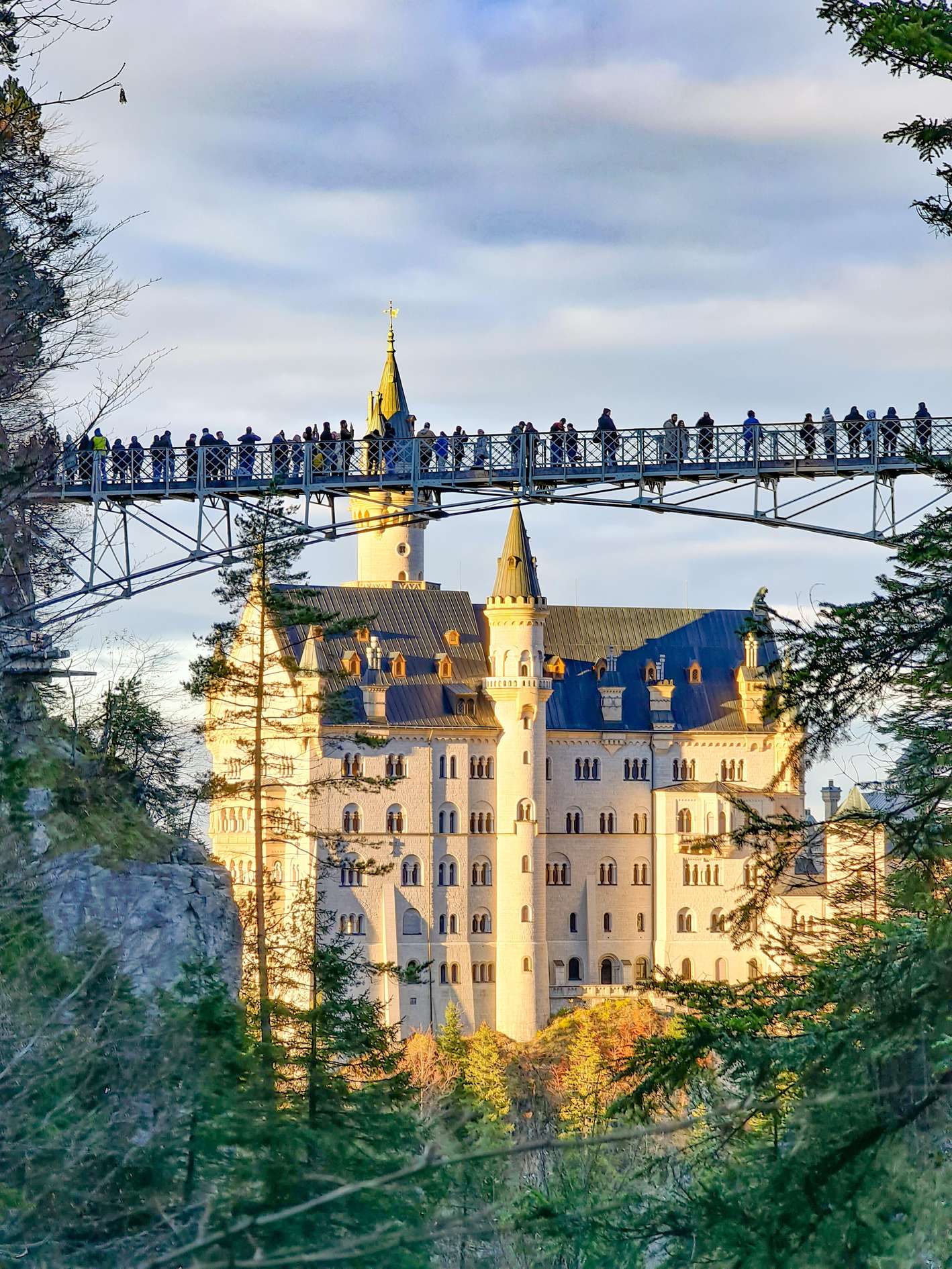
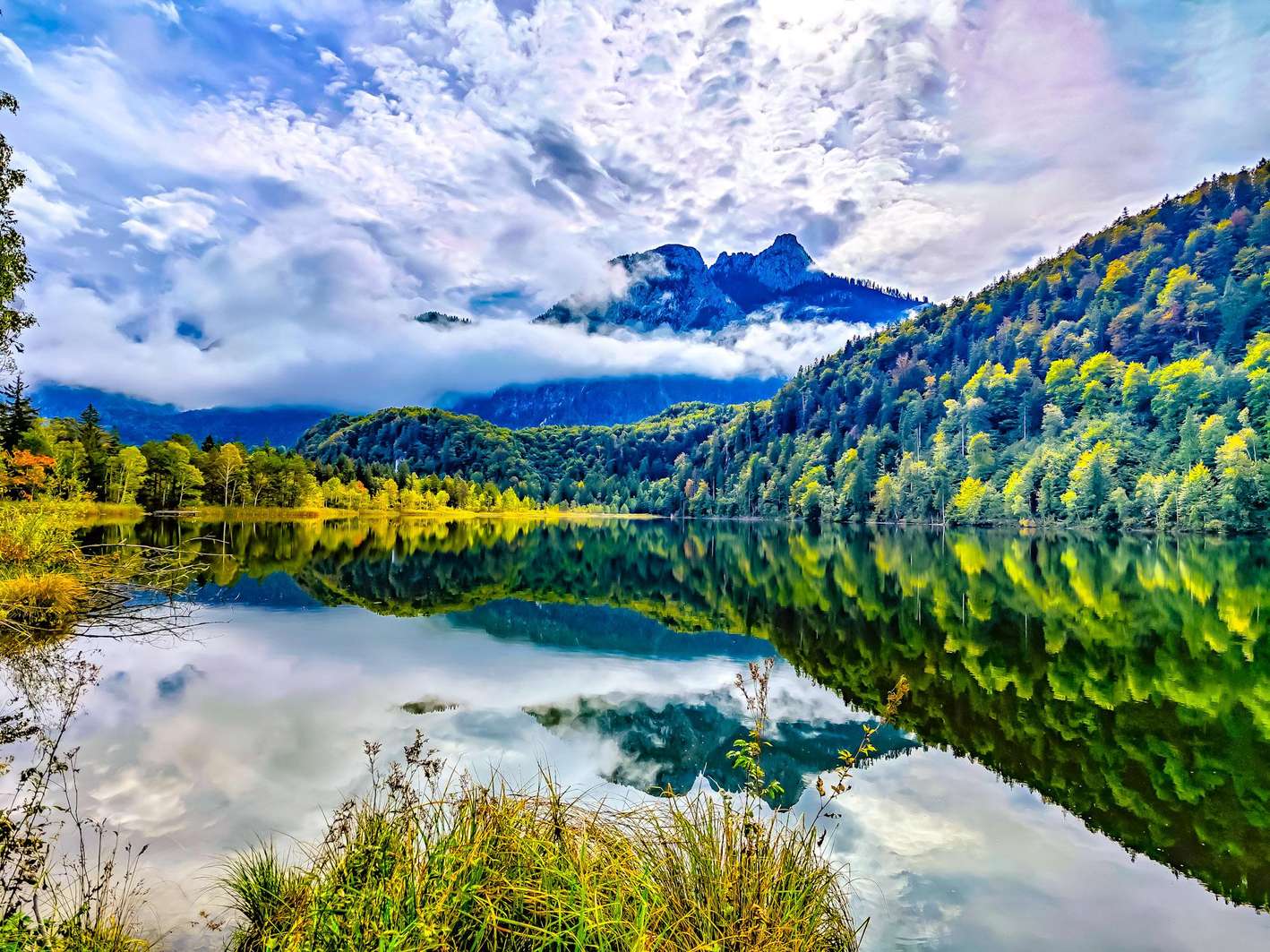
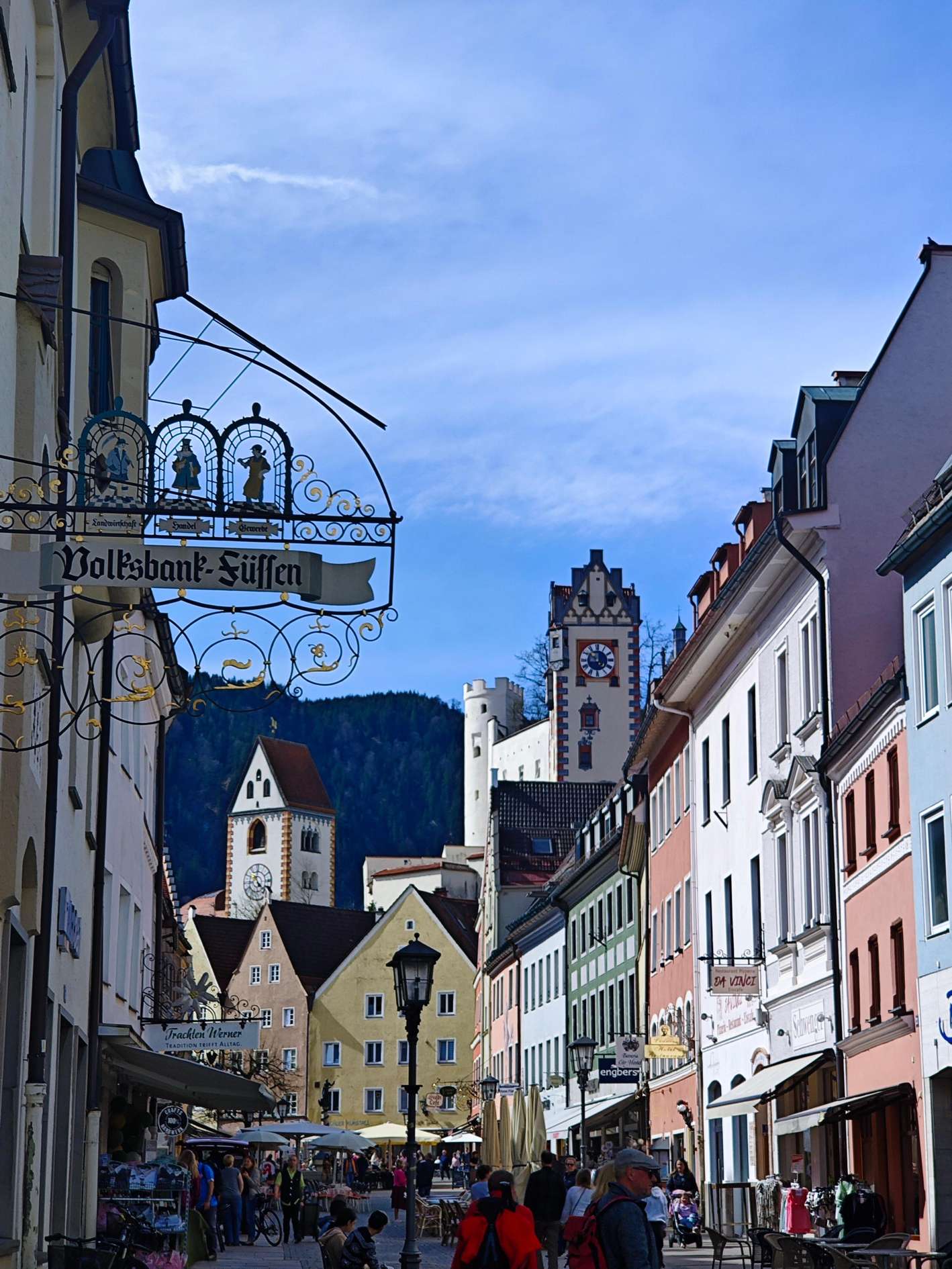
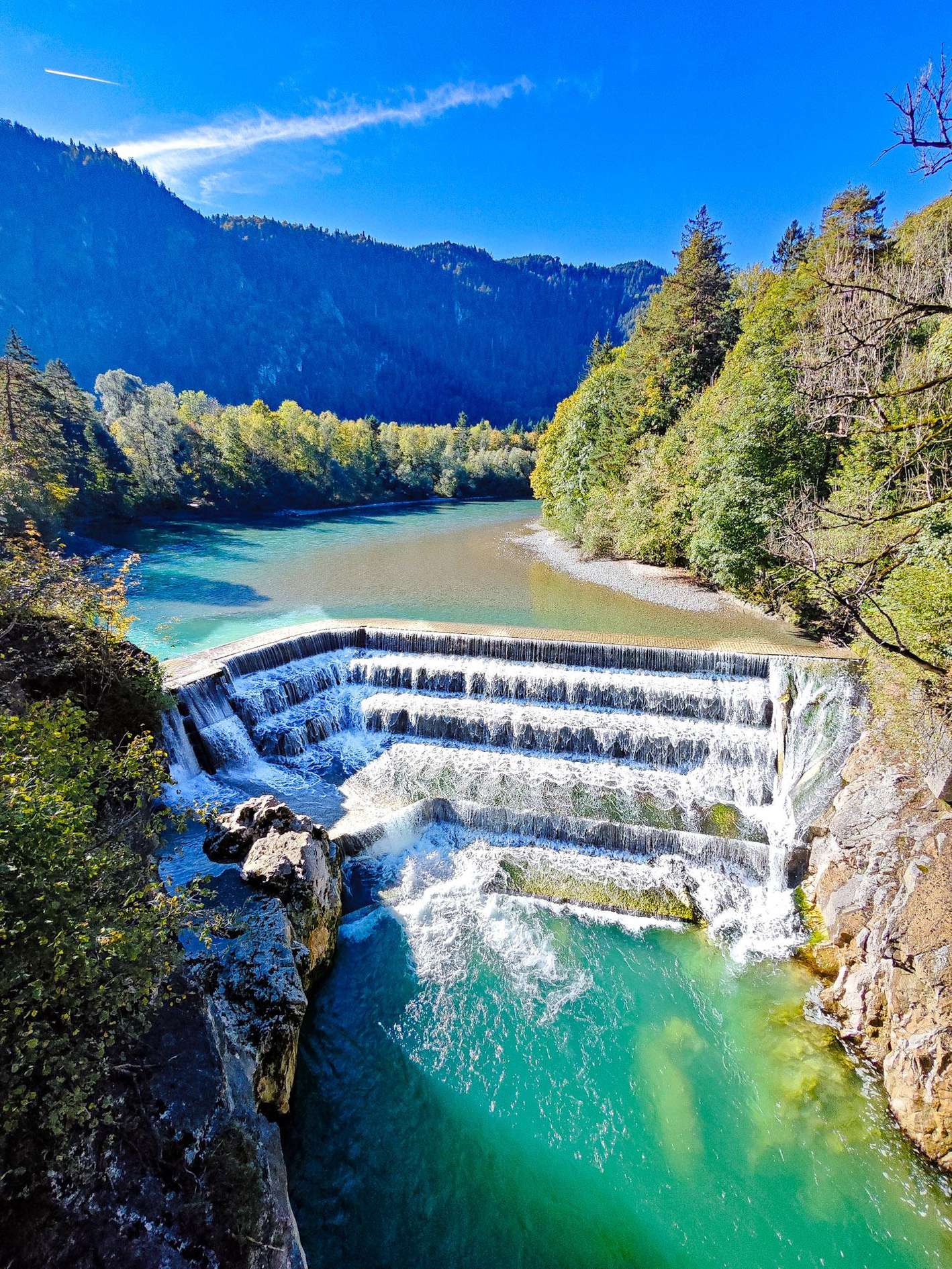
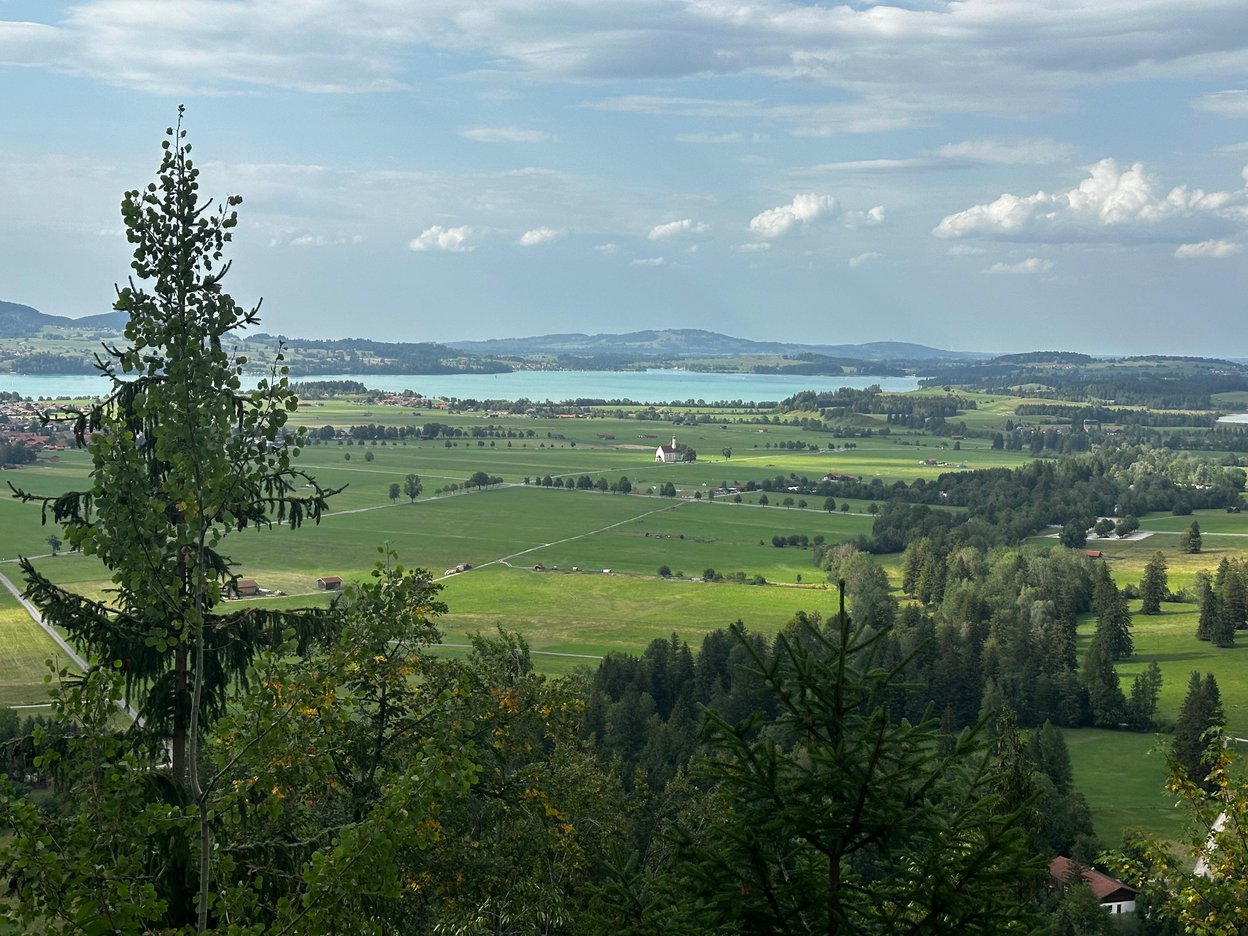
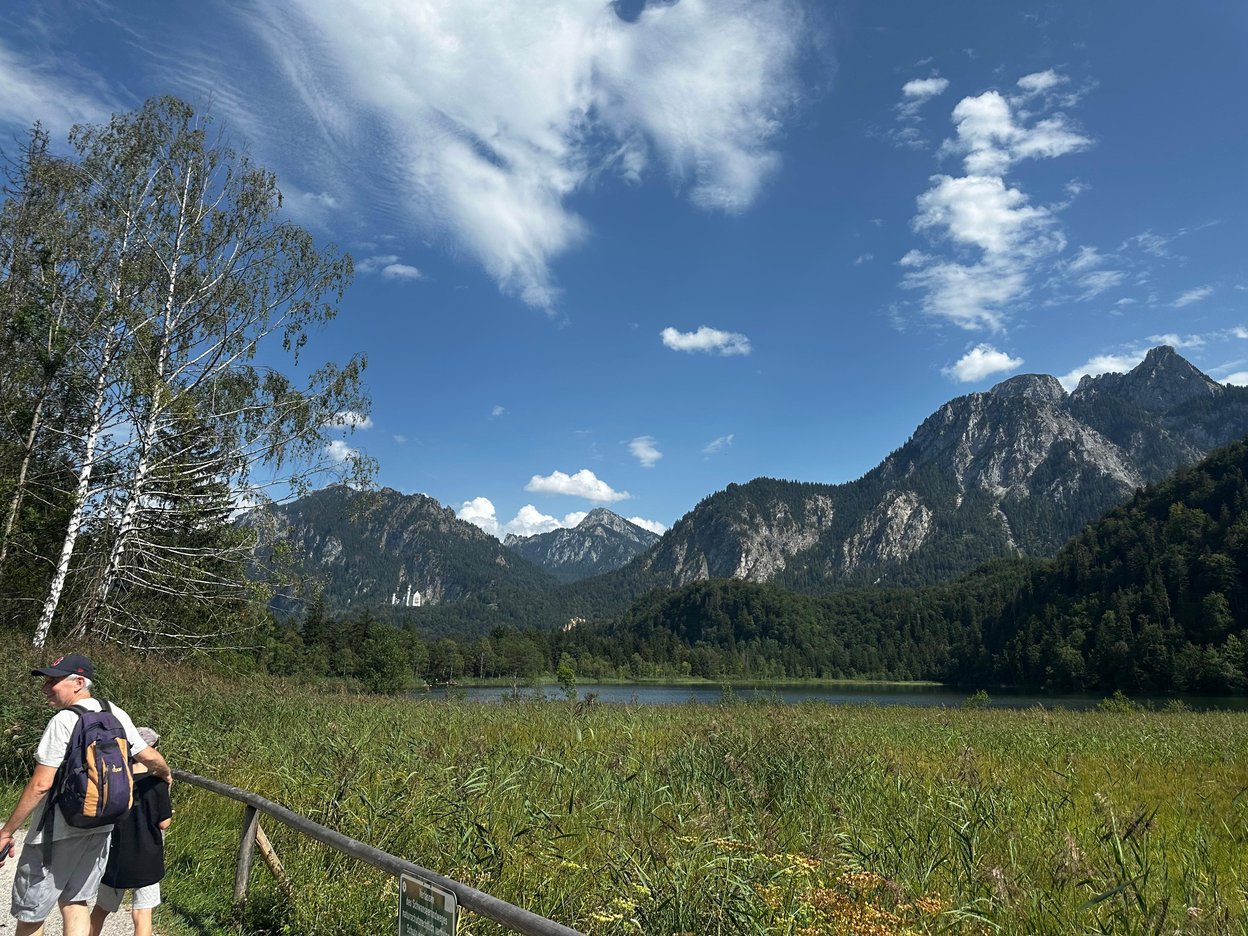
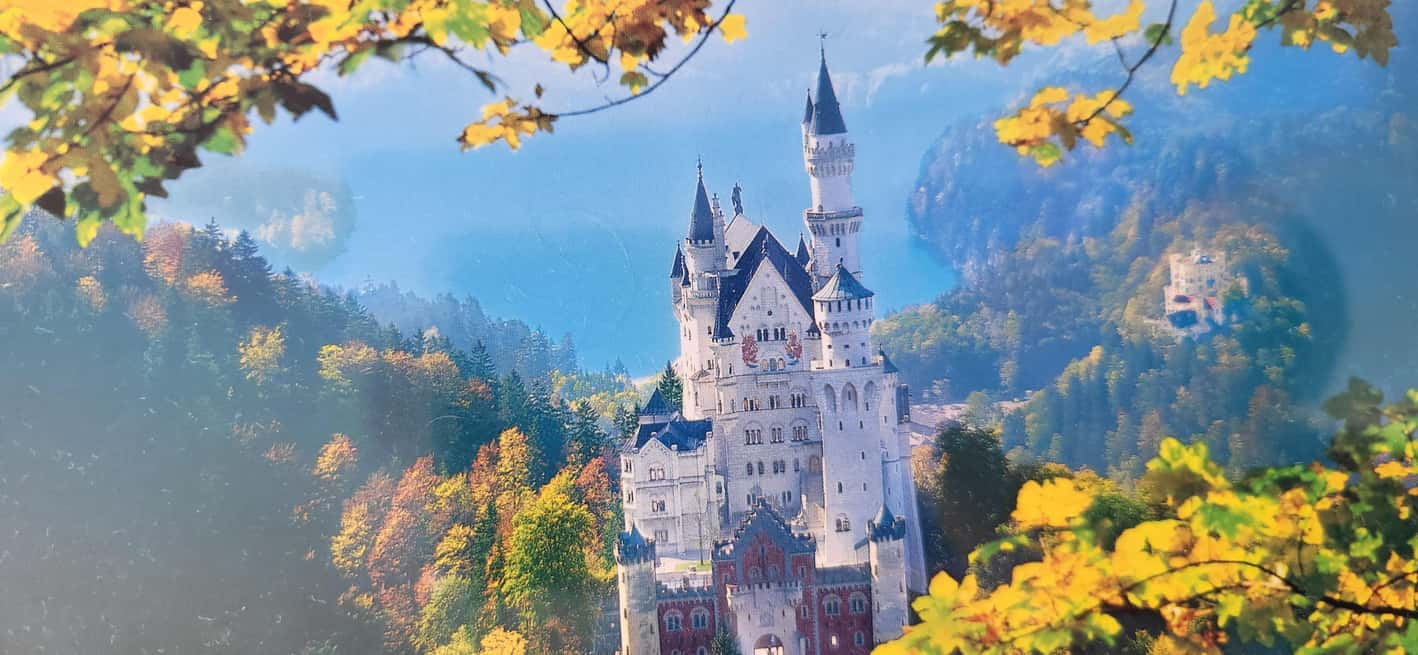
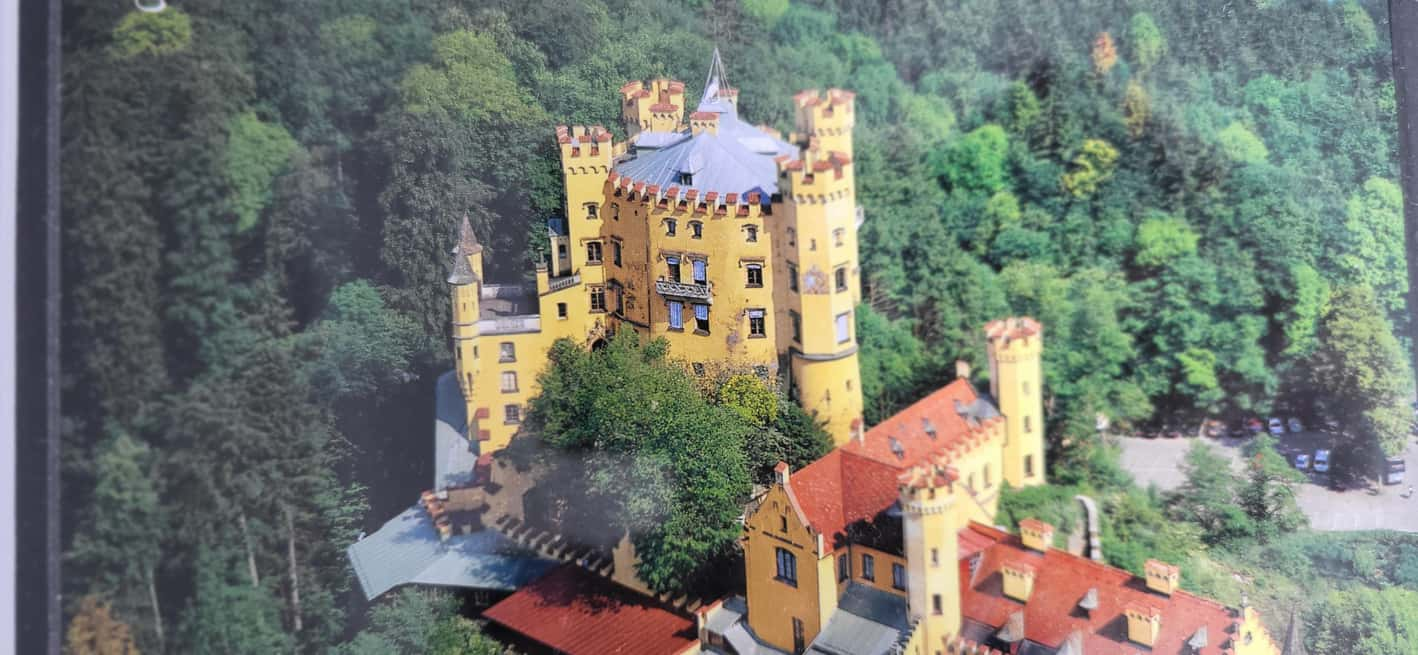
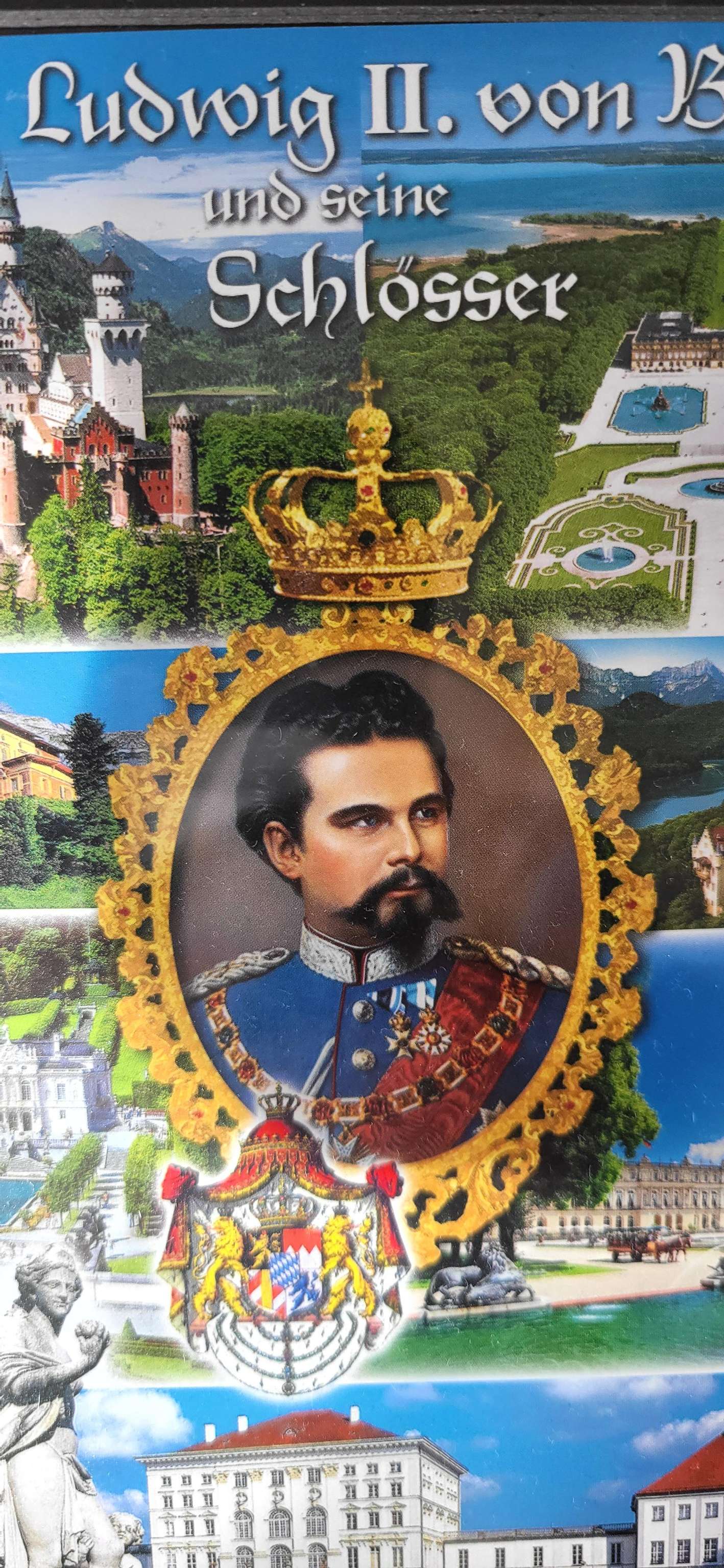
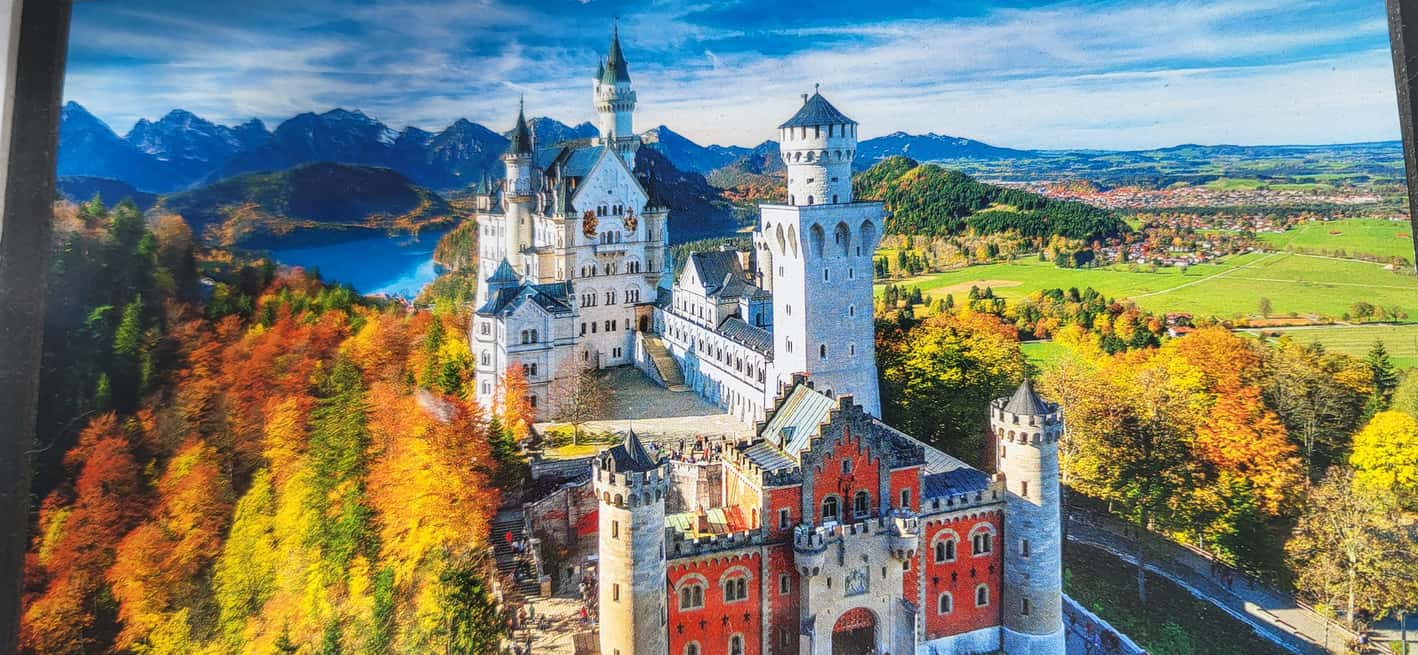
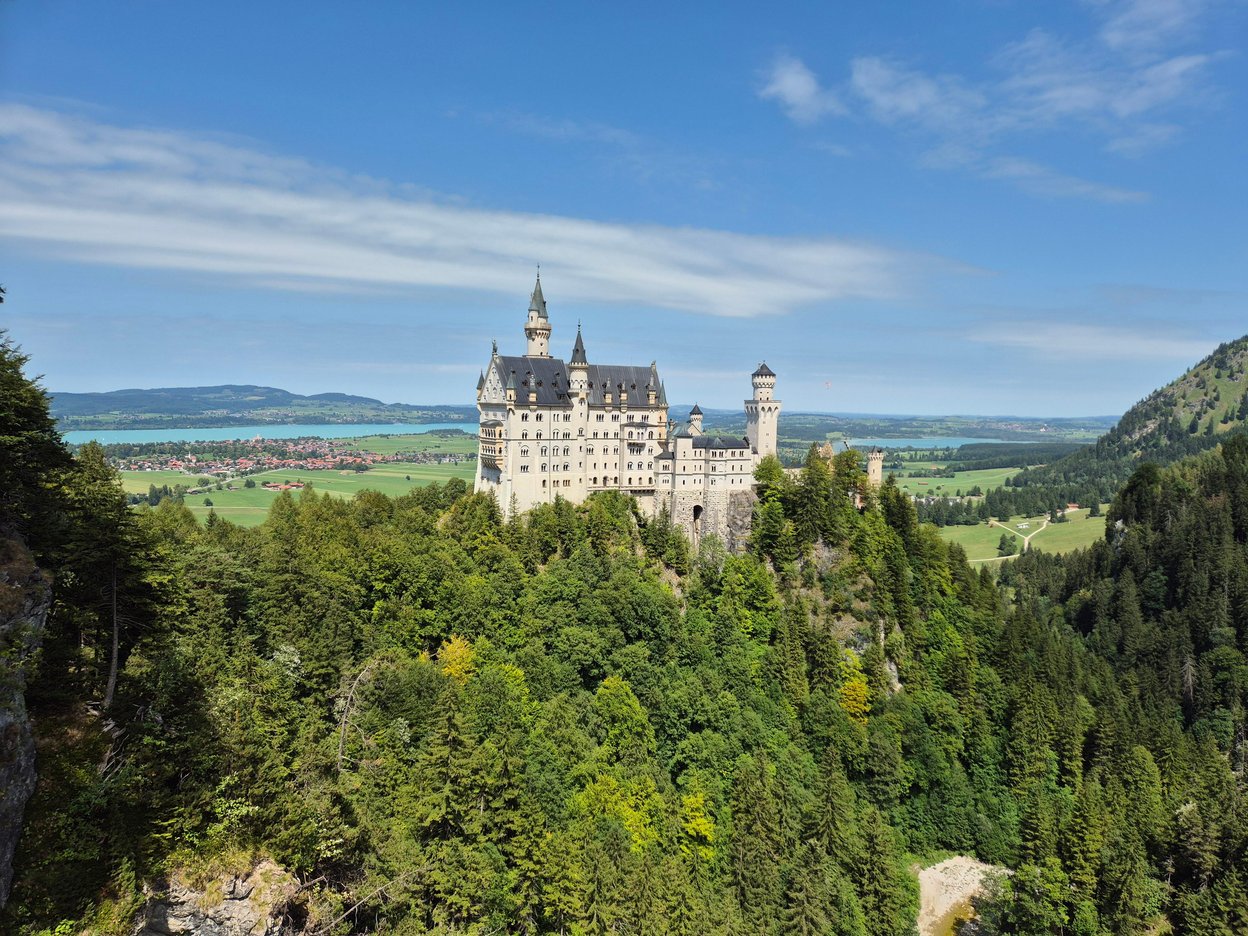
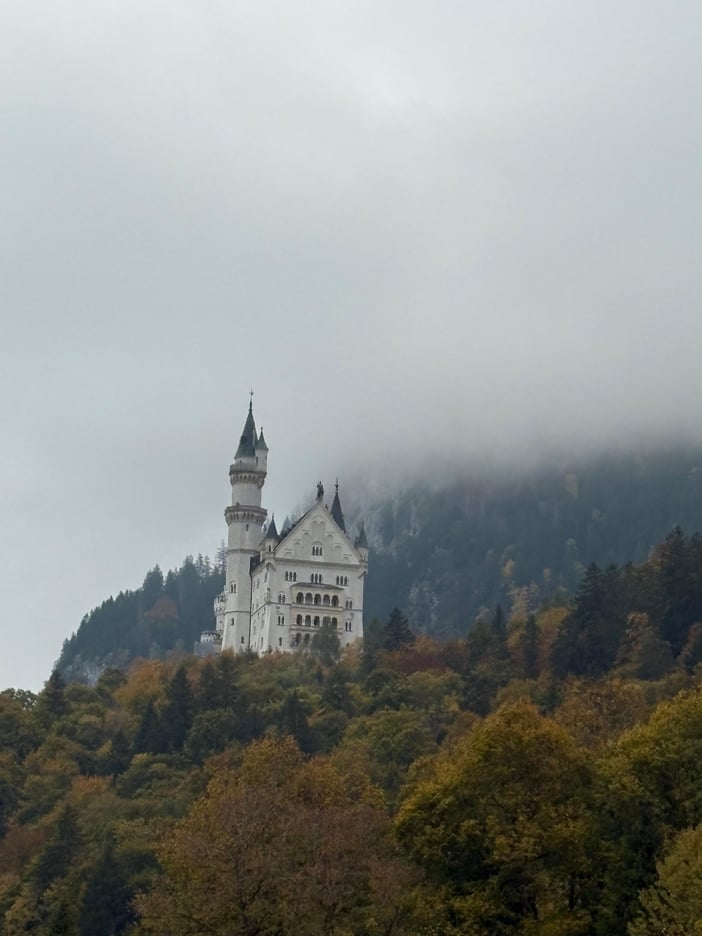
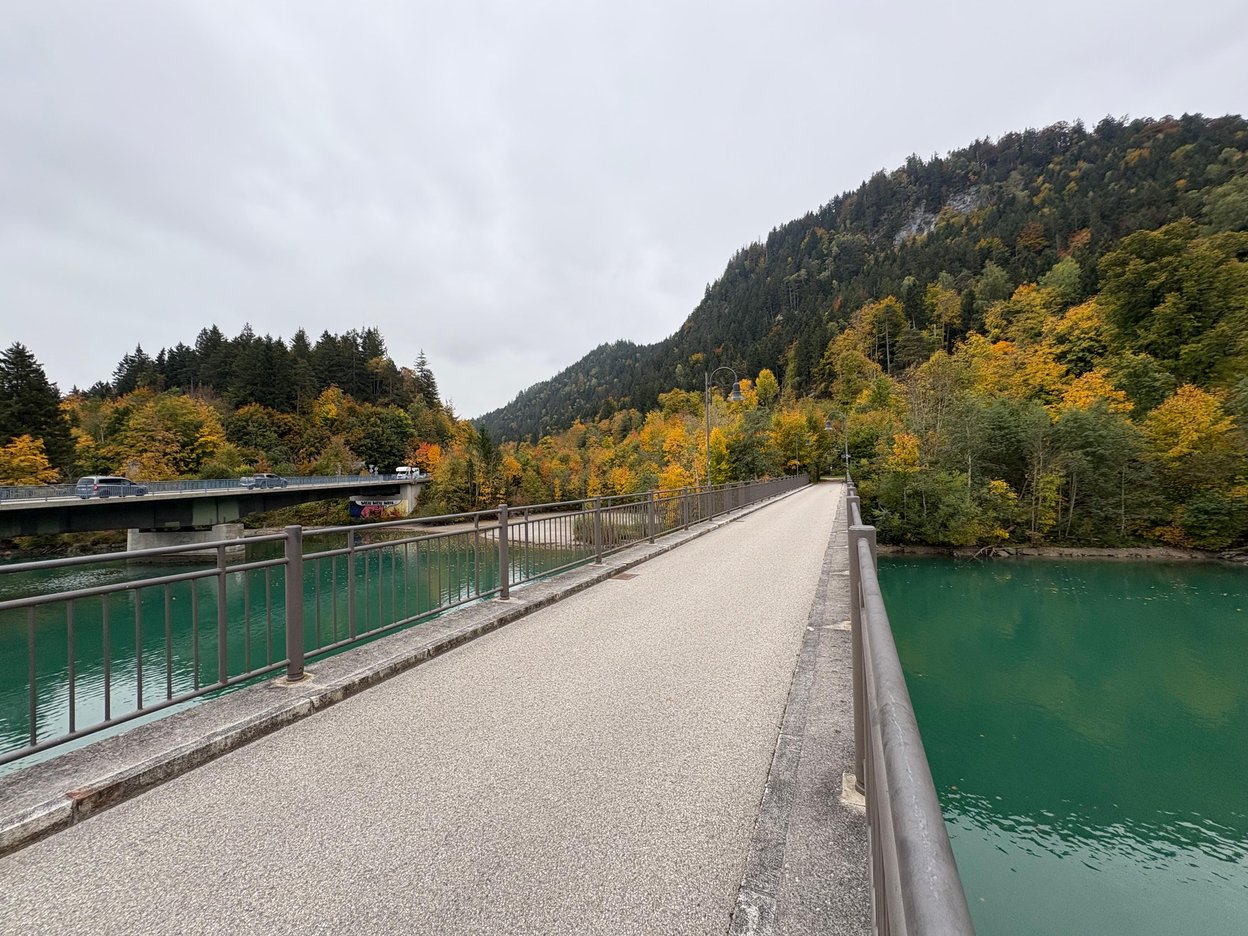
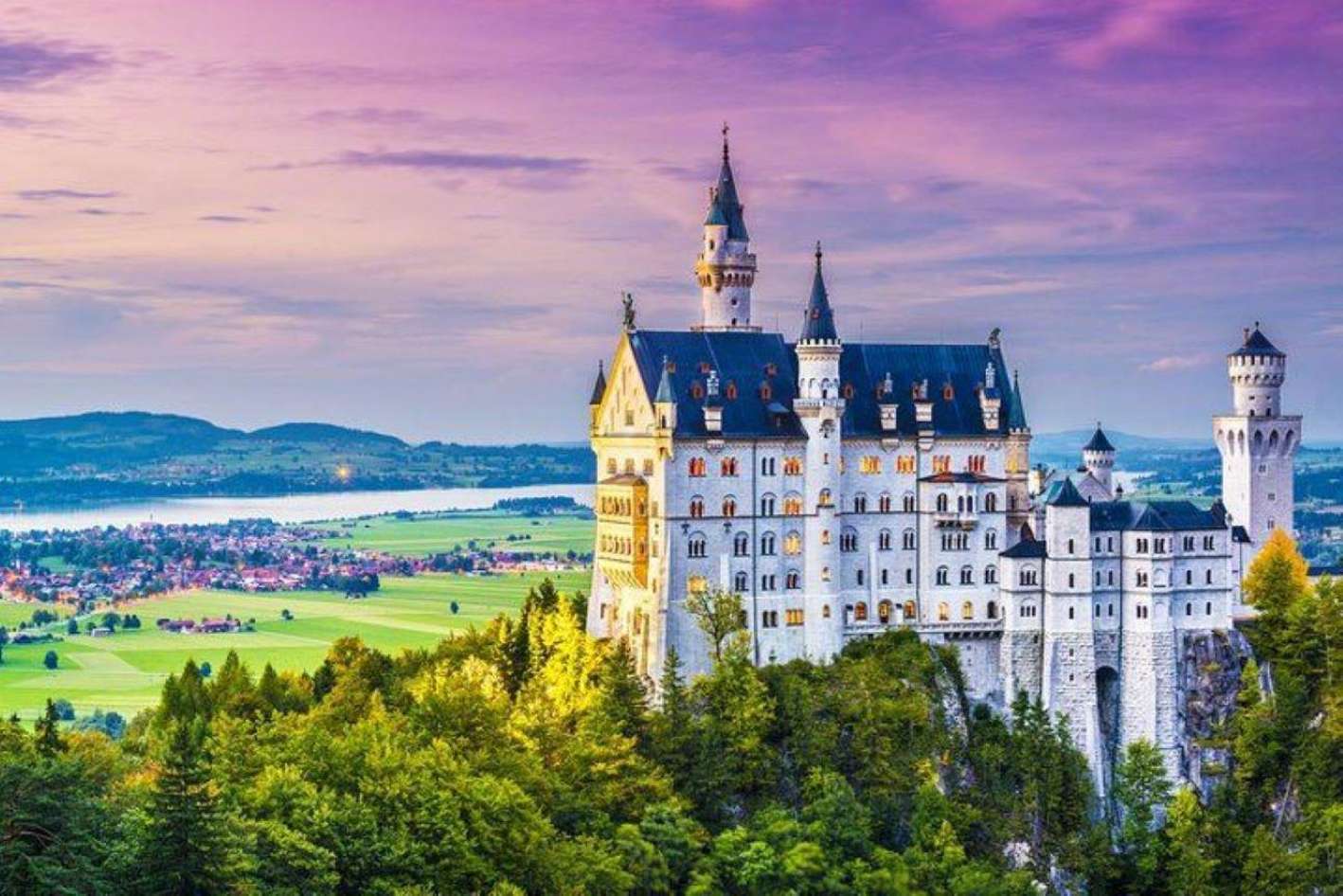
The castle sits above the village of Hohenschwangau, near Füssen at the edge of the Ammergau Alps. From Munich it is about 125 km and under two hours by car, or roughly 2 hours 45 minutes door to door by regional train and bus.
What decides your route is time and comfort. The train from Munich to Füssen takes about 2.5 hours, then bus 73 or 78 runs 15 minutes to Hohenschwangau. Driving is faster on paper, but cars stop at the valley lots, and the lots can fill by 9:30 am in summer.
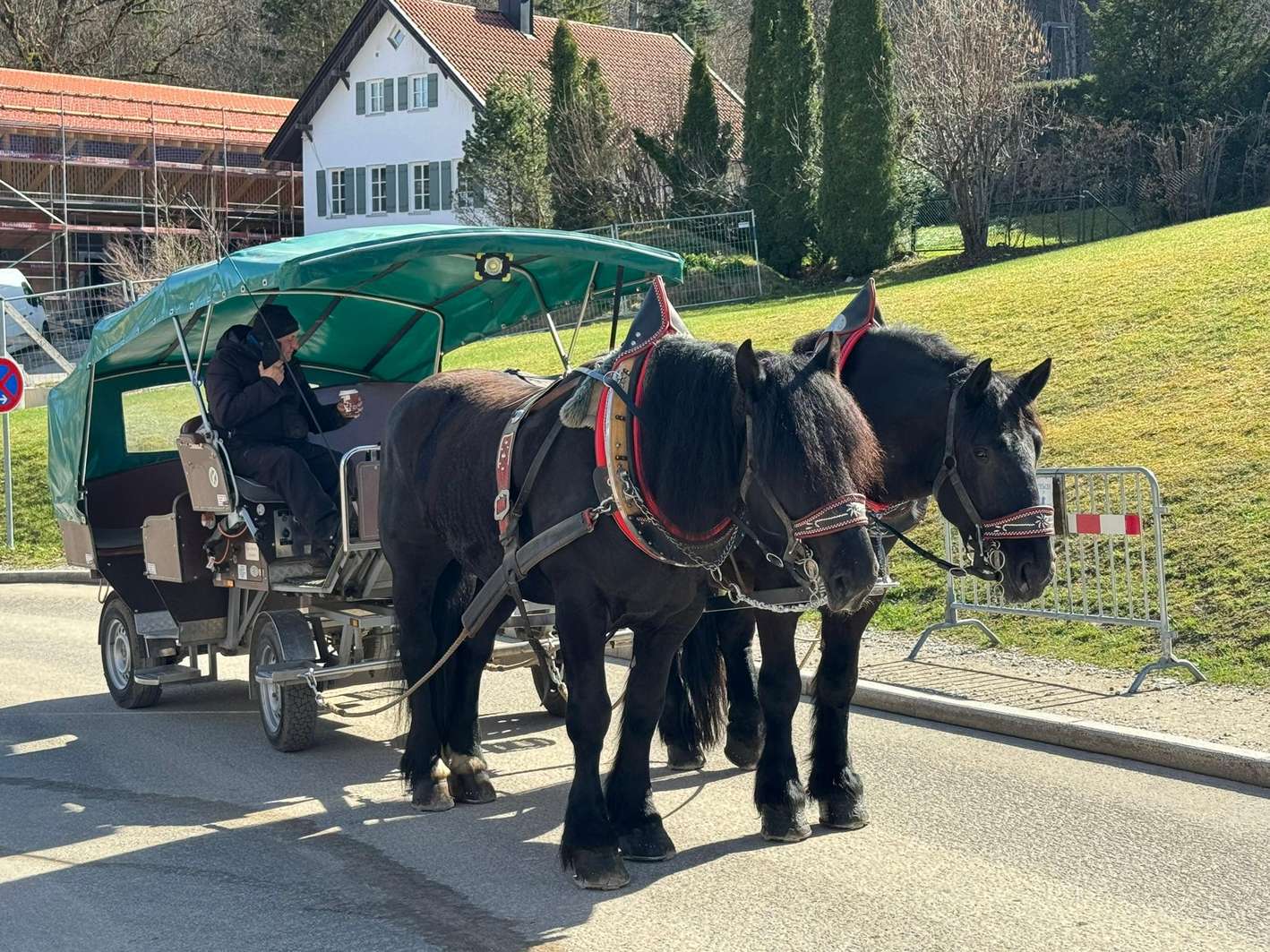
Whichever way you come, the final climb is the same: a 1.5 km paved uphill walk, a shuttle bus from parking P4, or a horse carriage that drops you below the castle. organized tours hand all of that, plus the entry time, to a guide who has made the trip hundreds of times.
YORMA´S München Pasing
Break time, Guided tour, Free time, Sightseeing, Walk (30 minutes)
Guided tour, Sightseeing, Scenic views on the way (1 hour)
YORMA´S München Pasing
Munich
Break time, Photo stop, Visit, Free time, Sightseeing, Walk, Self-guided tour (4 hours)
Munich
Pass by, Scenic drive, Scenic views on the way (15 minutes)
Photo stop, Visit, Lunch, Free time, Shopping (2 hours)
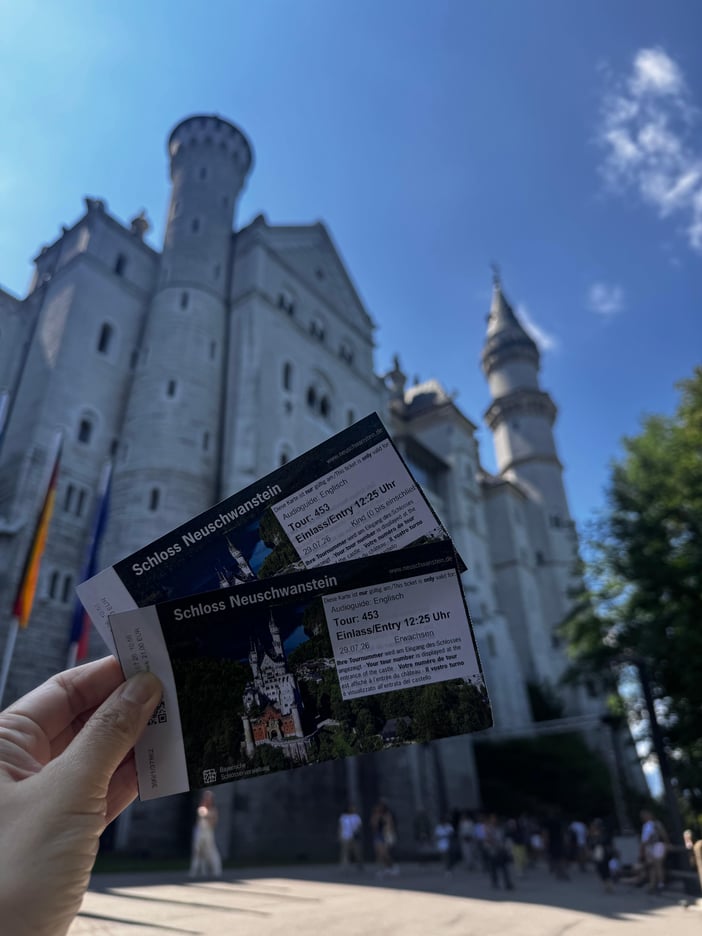
Your Neuschwanstein ticket is valid only for the exact time slot printed on it, and late arrivals cannot join the guided tour.
Build in a buffer: travelers advise arriving in Hohenschwangau village 1.5 to 2 hours before your entry time, since parking, the 15-minute bus ride from Füssen, and the 30- to 40-minute uphill walk or shuttle all eat into the clock. Travel delays count as your risk, so no refund follows a missed slot.
Four ways make this trip, and they measure up differently once you put the clock next to them. The train and bus route from Munich runs about 2 hours 45 minutes door to door.
The car covers the roughly 125 km in around 1 hour 50 minutes without traffic; some route planners shave that to an hour and forty, but the published route figure is the one to plan around.
A booked coach wraps the whole day into 10 to 10.5 hours, and a private driver does the drive in about two with no connections at all.
| Door-to-door time | Connection risk | Arrival buffer | Luggage storage | Winter disruption | |
|---|---|---|---|---|---|
| Train & bus | 2h 45min from Munich | Buses very full July to September | 2h buffer at Füssen | Lockers at Füssen station | Rail works and snow delays |
| Car / rental | 1h 40min, 1h 50min drive | Lots full by 9:30 am | Arrive 1.5-2h early | Lockers near castle entrance | Winter tyres legally required |
| Group tour | 10-10.5h full day | Guide manages logistics | Timed by operator | not known | Snow stops shuttle and bridge |
| Private transfer | About 2h direct drive | Drops at Hohenschwangau valley | Fixed entry time | not known | not known |
What separates them is risk. The train day can break at a single connection. The car day breaks at the parking lot, which in peak summer months can be full by 9:30 am. Tours carry their own risk: the schedule is fixed, and it is a long one.
Read the two together and a pattern shows. Every option ends in the same valley. The choice you are really making is how much of the day you want to hand to someone else, and how much buffer you need around the entry time printed on your ticket.
One thing holds for all four: the castle road is closed to cars. Whatever brings you to Hohenschwangau, you continue on foot, by shuttle bus or by horse-drawn carriage.
The regional train leaves Munich Central Station and rolls southwest toward Füssen, about two hours away, changing at Buchloe on some connections. Buses 73 and 78 line up outside Füssen station and reach the Hohenschwangau castles stop in about 15 minutes. The Bayern-Ticket covers both legs, train and bus, so no second ticket is needed.
Roughly 2 hours, changing at Buchloe on some connections
About 15 minutes, but buses run very full from July to September
Aim to be walking uphill at least an hour before your printed entry time
Where the day breaks is the connection. The buses leave Füssen on their own clock, and a train running even half an hour late can put the whole connection in doubt, so travelers who make this route by themselves arrive at Füssen station with hours to spare, not minutes.
Sit on the left-hand side of the train. That is where the first view of Neuschwanstein against the Alps opens up before Füssen.
If you would rather have someone hold the timetable, the From Munich: Premium Neuschwanstein Small-Group Train Tour makes the same journey by regional train with a guide managing every transfer, capped at 10 to 12 guests, with your castle entry ticket secured in advance.
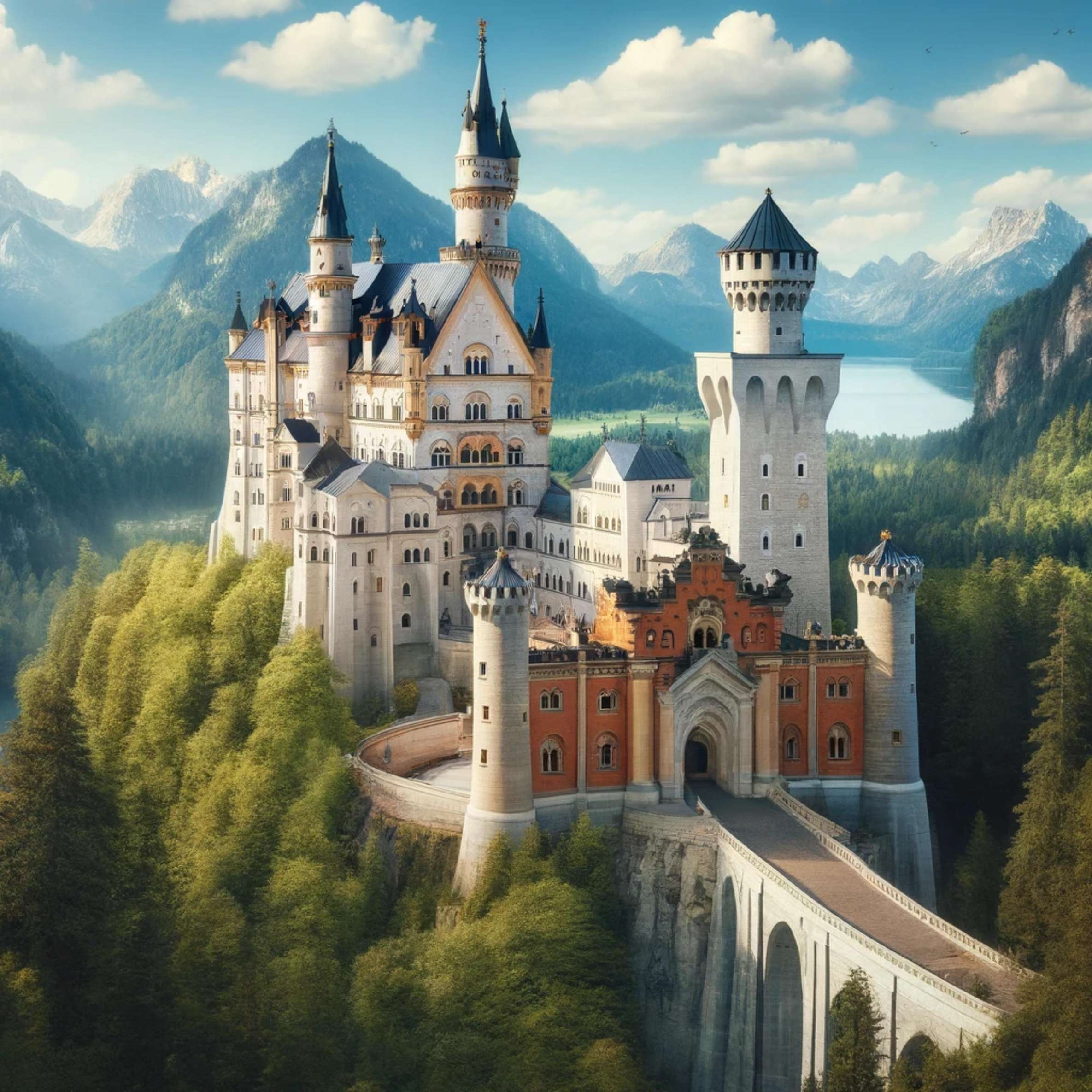
The drive is the fastest way to the valley and it stops there. From Munich, the route runs southwest on the A96 to Landsberg am Lech, then south along the B17 to Hohenschwangau, about 125 km and an hour and fifty minutes without traffic.
From Garmisch-Partenkirchen, the quickest road crosses into Austria past Ehrwald and Reutte, about an hour and ten minutes. Cars cannot climb the last stretch.
The castle road is closed to public traffic, so you leave the car in one of four paid lots, P1 to P4, in the village.
Know your lot before you arrive. P2 is the only one that takes campers and motorbikes, and it holds the disabled spaces. P3 is cars only. The shuttle bus up the mountain departs from P4, by the Alpsee.
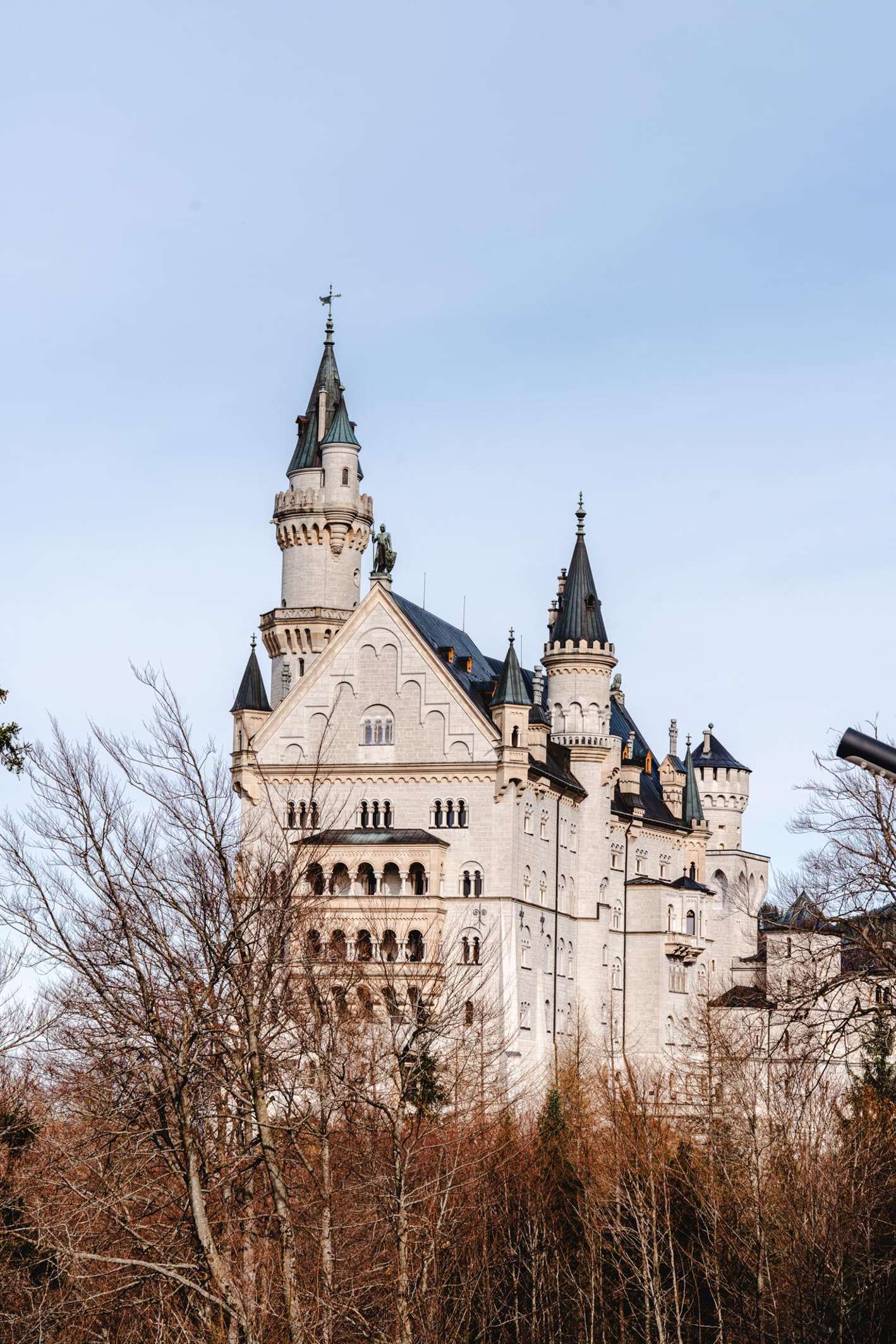
Winter has legal teeth. In Germany, a car may only be driven on ice or snow with winter tyres on all wheels. Austria requires winter equipment from November to mid-April when conditions are wintry. The castle appears from the road on the approach, a first taste of what is waiting above.
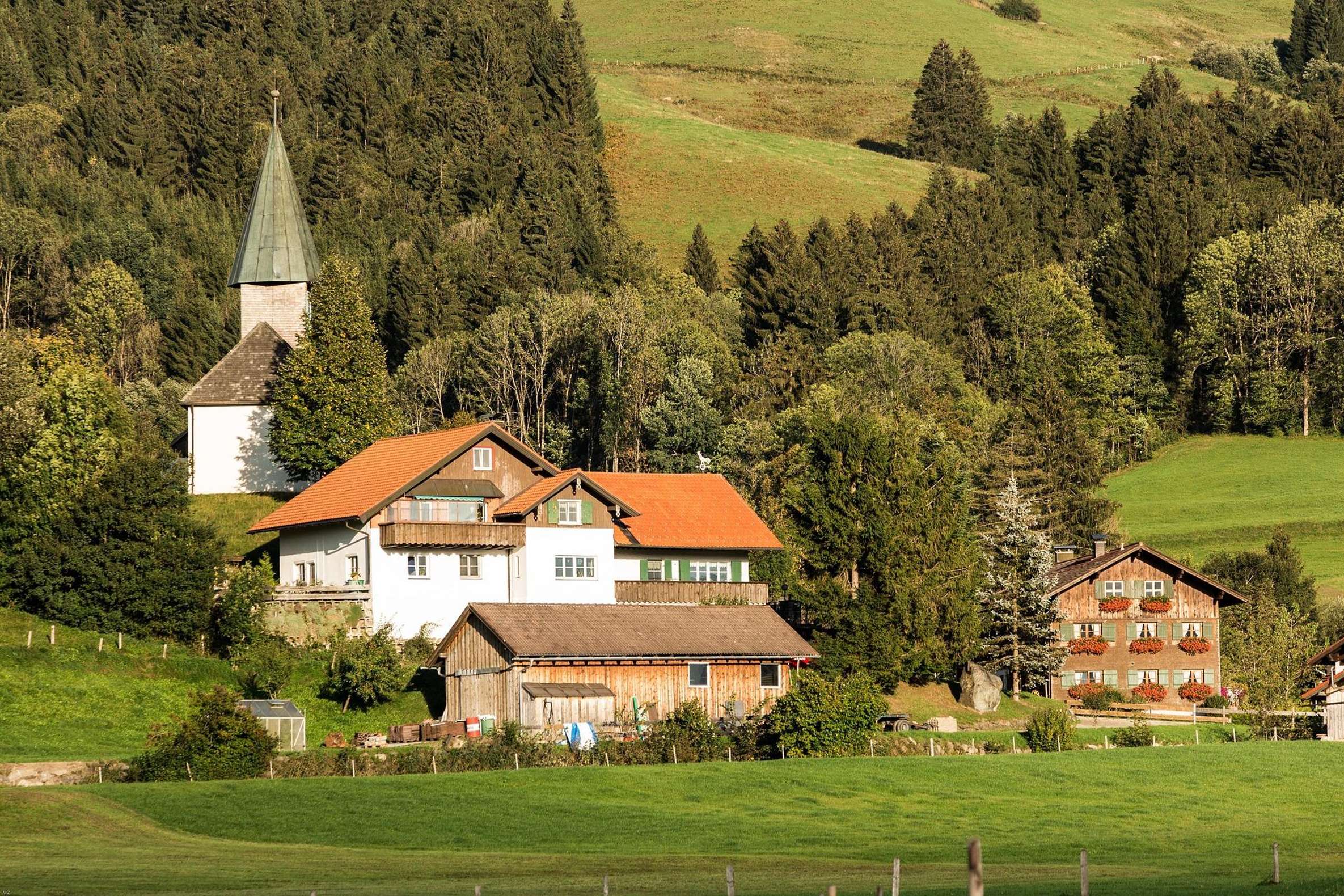
A coach day trip hands the whole morning to someone else: no train times to check, no bus queue at Füssen, no parking hunt. Full-day group tours from Munich run 10 to 10.5 hours, and most meet in the city center early, at Karlsplatz or Central Station, with one departure at 7:15 am.
The strongest argument for the coach is the ticket. Public castle tickets can sell out months ahead in summer and autumn, and tour operators request group allocations that travelers say can still land official entry slots after individual bookings are gone. Pre-reserved castle tickets are the reason people book.
| Check | Why it matters | Our pick |
|---|---|---|
| Tickets pre-reserved, sold-out days included | Decides whether the tour actually saves you in peak season | Entry ticket secured in advance, timed to the day |
| Group size and boarding | Smaller groups board and roll out faster | Small van format, hotel pickup and drop-off in Munich included |
| Meeting point and start time | Sets how early your day begins | Pickup at your Munich hotel, no platform hunt |
| Journey commentary | Fills the long ride with something better than silence | Guide stories on the road, cheese farm stop on the Romantic Road |
What you pay for it is hours and freedom. The day is the operator's, the pace is set, and ten and a half hours is a long bracket around one 30-minute castle tour.
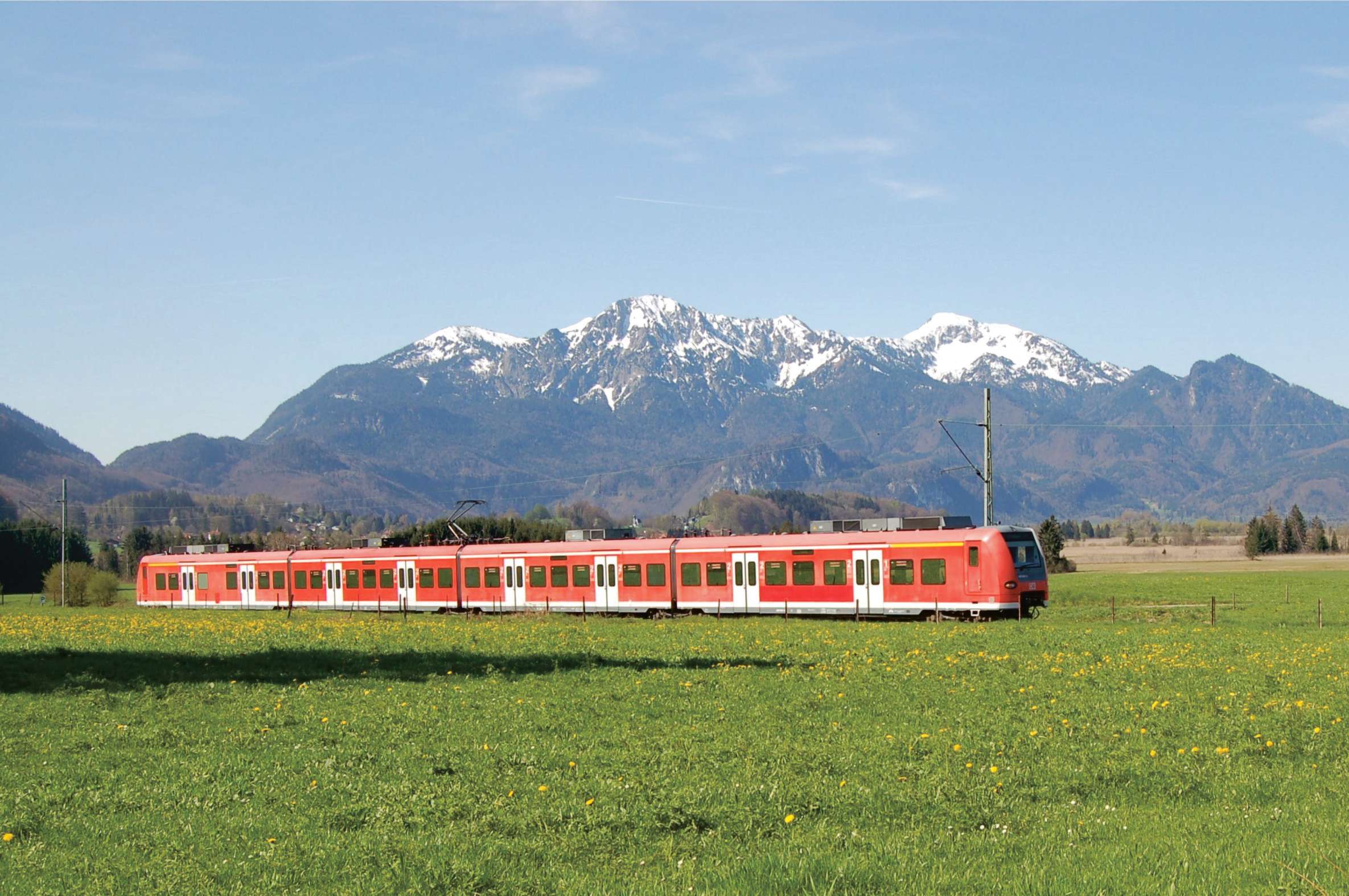
A private driver deletes every connection at once. Someone collects you at your Munich address, drives the two hours south and waits while you visit. For families with children, multigenerational groups and photographers who want to linger at viewpoints on their own clock, this is the option that buys back control.
No vehicle reaches the castle gates; the road is closed to cars, so the uphill leg is still yours to make
Your itinerary can bend around it, but the printed castle slot cannot change
Expect an English-speaking driver who knows the area; the castle's history is your own reading to do
On some private transfers, admission is arranged separately, so confirm before you go
The Private driver: Munich to Neuschwanstein Castle transfer runs about seven hours, door to door, with bottled water on board and an English-speaking driver who can point you toward Mary's Bridge and the Alpsee walk while you are there.
Who is paying for more than they need? Solo travelers comfortable with timetables, and anyone watching the budget. Public transit makes the same journey for far less, at the cost of the connections this chapter removes.
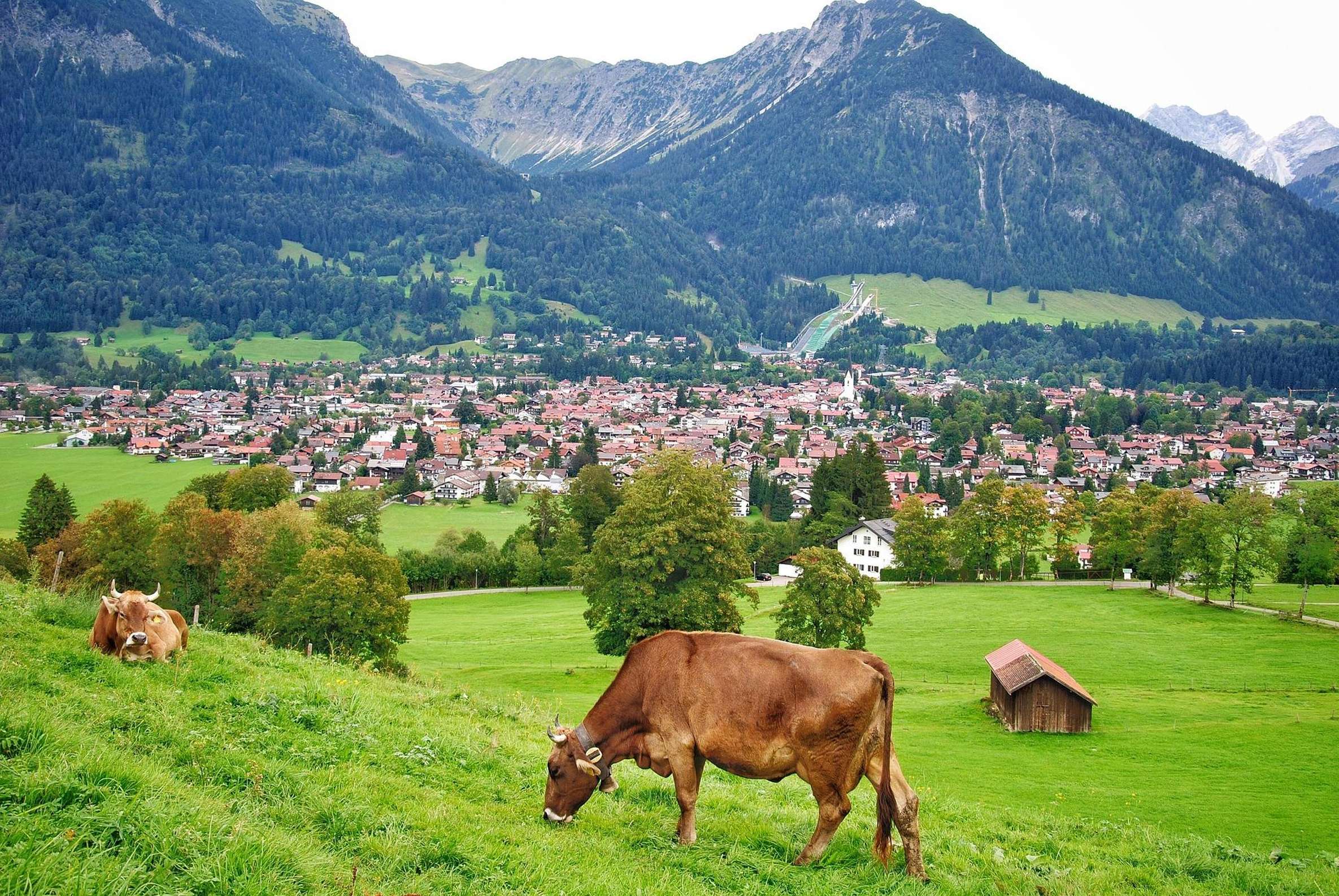
Whatever delivered you to Hohenschwangau, the last half hour is the same for everyone. Three ways go up.
The shuttle bus leaves from parking P4 and runs to the Jugend lookout above the castle, leaving a 500-metre downhill walk of 10 to 15 minutes to the entrance.
The horse-drawn carriage departs from Hotel Müller on Alpseestraße and stops at a turning area below the castle, with about 450 metres still to climb. Or you walk the whole way: about 1.5 km, steep in places, 30 to 40 minutes from the Ticket Center.
Two rules govern the hill. First, pay for the shuttle in cash; it does not take cards. Second, nothing runs on a timetable. Shuttle and carriage both run on demand, and waits grow long in the holidays. Snow stops the shuttle entirely, while the carriages keep going all year.
The quiet alternative is the Pöllatweg, a path that starts behind a parking lot and climbs toward the castle away from the crowds. Cyclists, note that bikes are barred from the castle road; a cycle path branches off after about 100 metres.
Count backward from your entry slot, not forward from arrival. With the walk, the parking and the ticket check, an hour of buffer at the castle gate is the honest minimum.
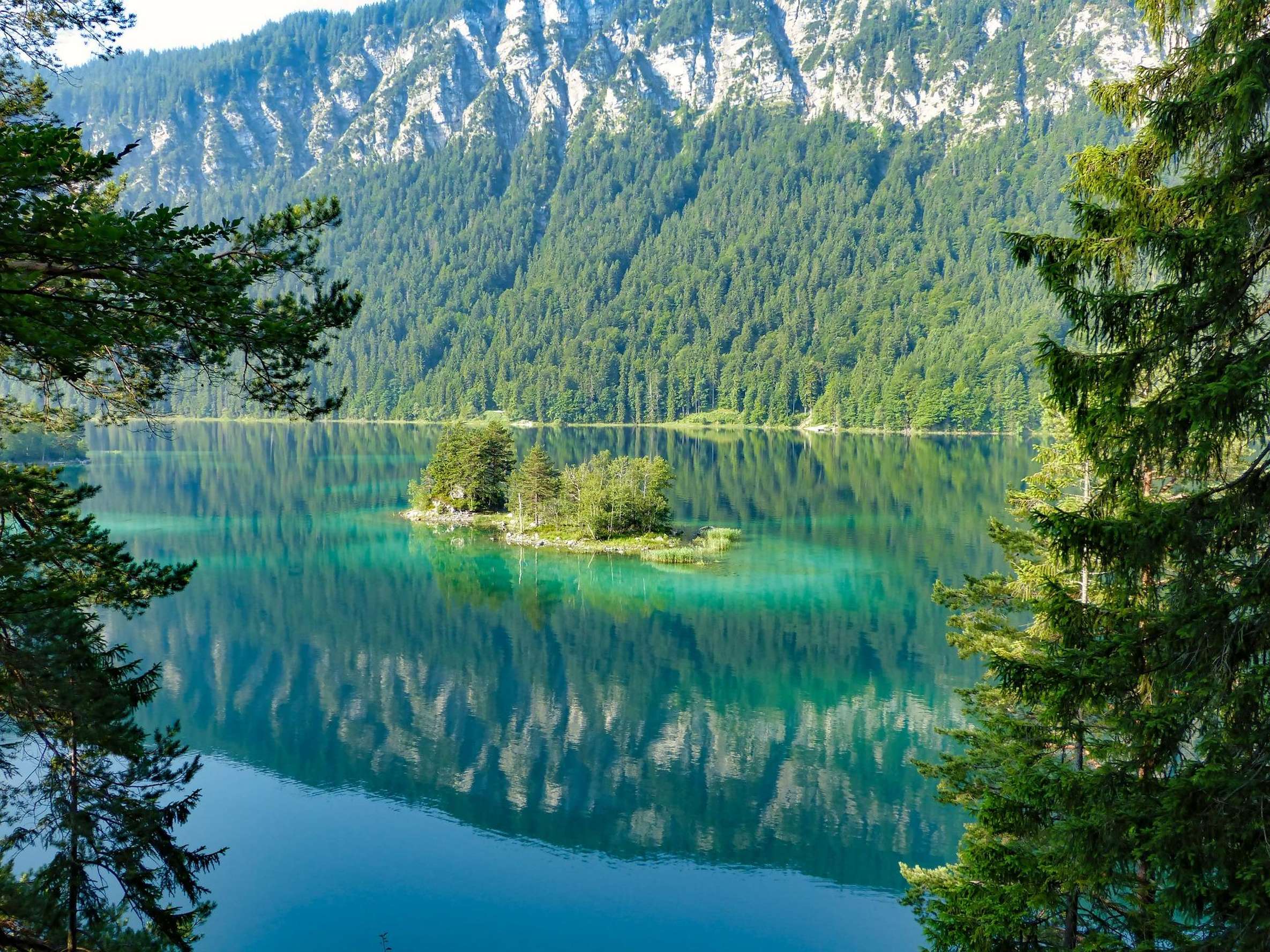
The rule that overshadows the whole journey is simple: your ticket is valid only for the printed time slot. Tours start punctually, and a late arrival means you cannot join, even when the delay was a traffic jam or a slow bus. The travel risk is yours, and there is no rebooking at the gate.
Tickets are valid only for the printed time slot, and late arrivals are turned away Arrive in Hohenschwangau 1.5 to 2 hours early and be at the gate an hour before your slot
The paperwork is lighter than it looks. Online tickets need no check-in at the Ticket Center; show the QR code on your phone at the castle entrance and walk up. Same-day tickets, if any are left, go on sale at the Ticket Center from 8 am and can be gone by late morning.
Traveling with luggage after hotel checkout? Füssen station has 22 lockers, rentable up to 12 hours, coins and small notes only, and only while the station building is open.
In Hohenschwangau, the ticket center has a cloakroom for bags, and lockers sit shortly before the castle entrance for the bulky items. Sort the bags before the hill; the climb is steep enough empty.
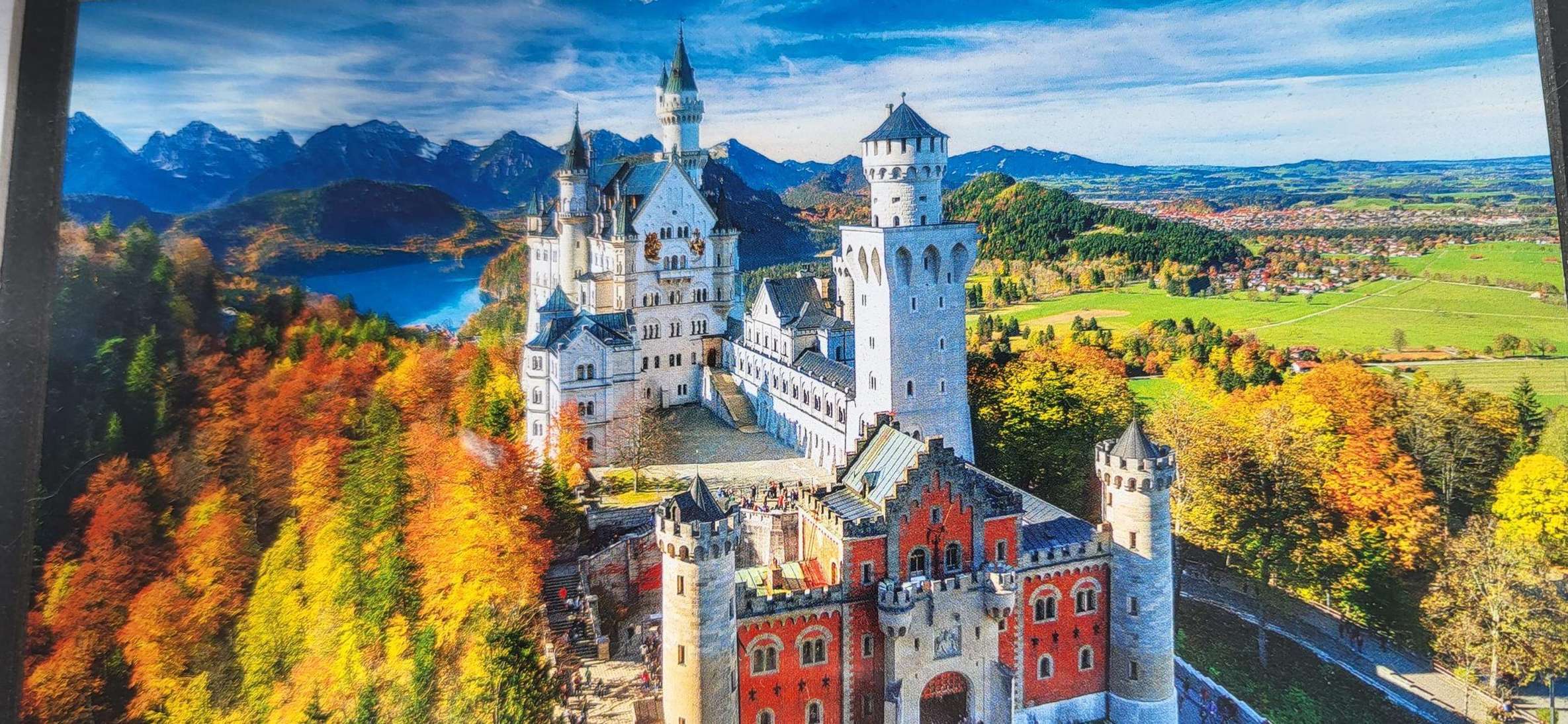
The season you pick changes the whole journey. In summer, everything runs and everything crowds: August is the heaviest month on the shuttle and the bridge, and waits at Marienbrücke stretch toward half an hour on peak weekends.
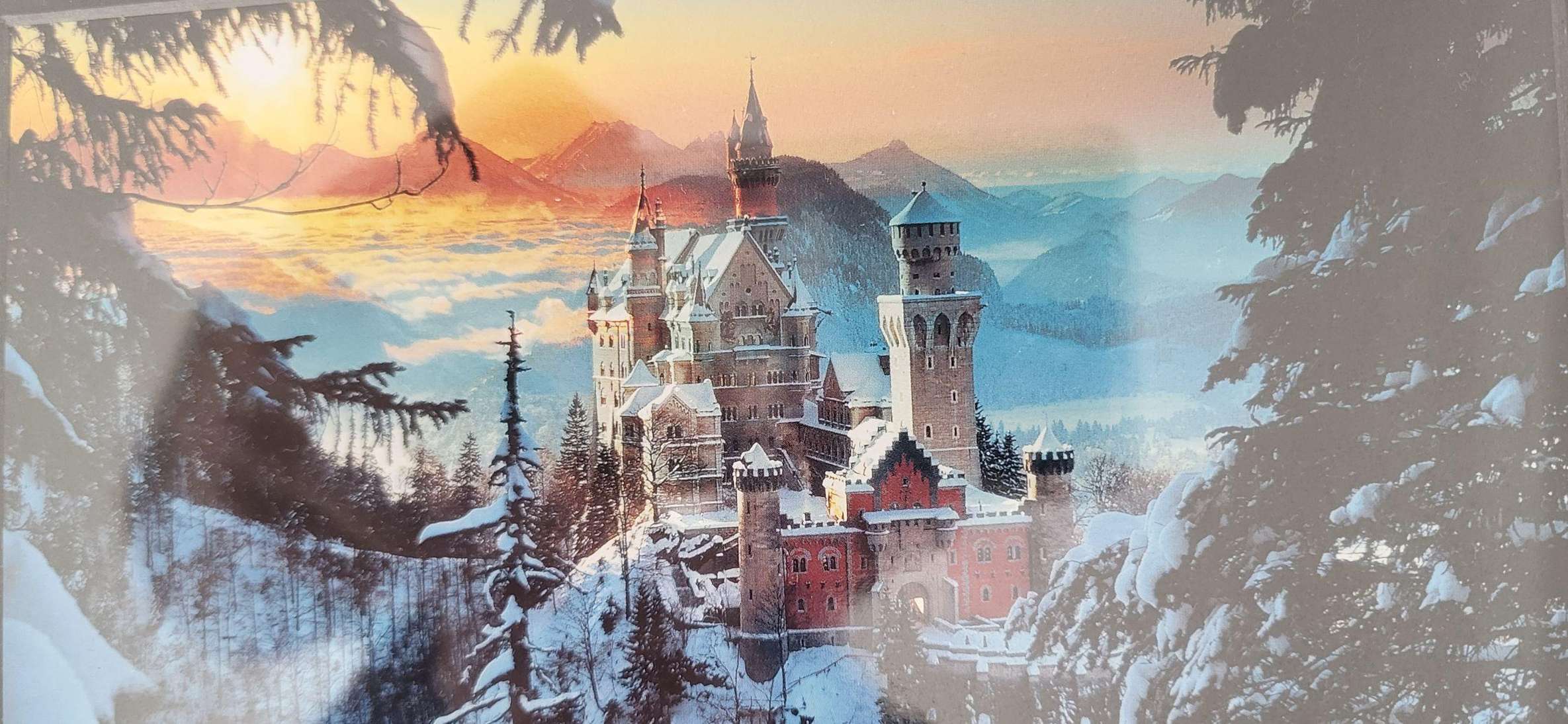
In winter the crowds thin out, but so does the infrastructure. Snow stops the shuttle bus, ice can close Marienbrücke, and one operator runs its shuttle to the bridge only when the road is clear.
A closed bridge does not cancel the castle; the route and the guided tours keep going, and you simply walk up.
August: 5 out of 5 for how busy it gets.
Tap a month to read it.
Rail has its own winter story. Construction work has been causing schedule changes, cancellations and replacement buses on the Munich to Füssen routes, so check the connection the evening before.
The castle keeps winter hours from mid-October to late March, 10 am to 4 pm, and closes entirely on December 24, 25 and 31 and January 1.
January averages a high near 4°C and under nine hours of daylight, so a winter day trip means an early start against an early dark. Pack layers and a waterproof shell either way; summer brings rain on roughly one day in two.
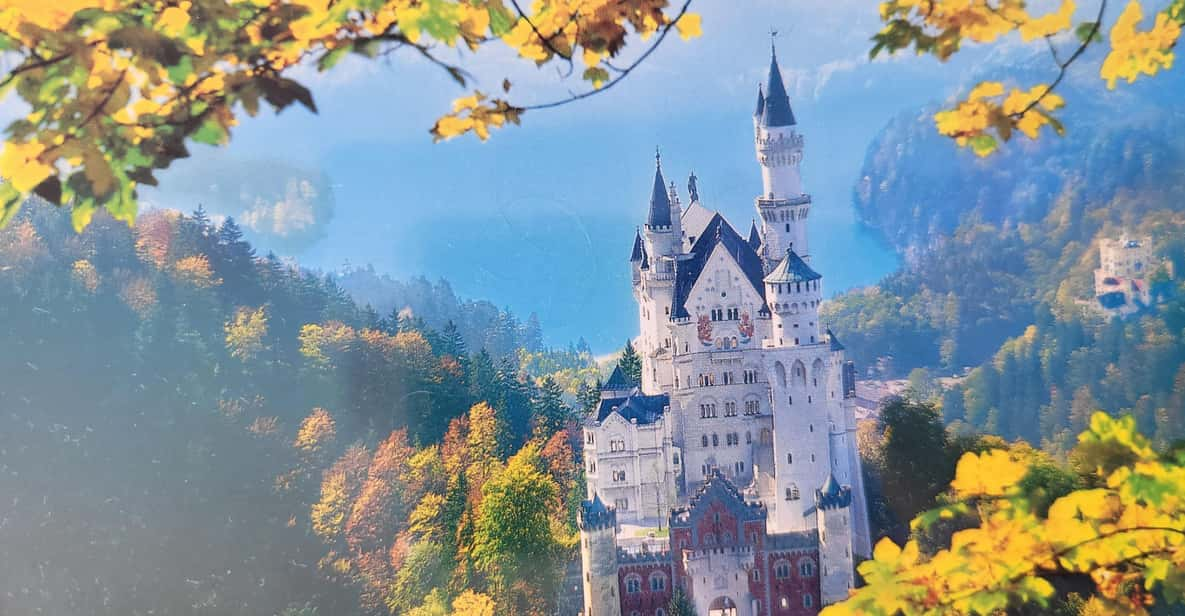
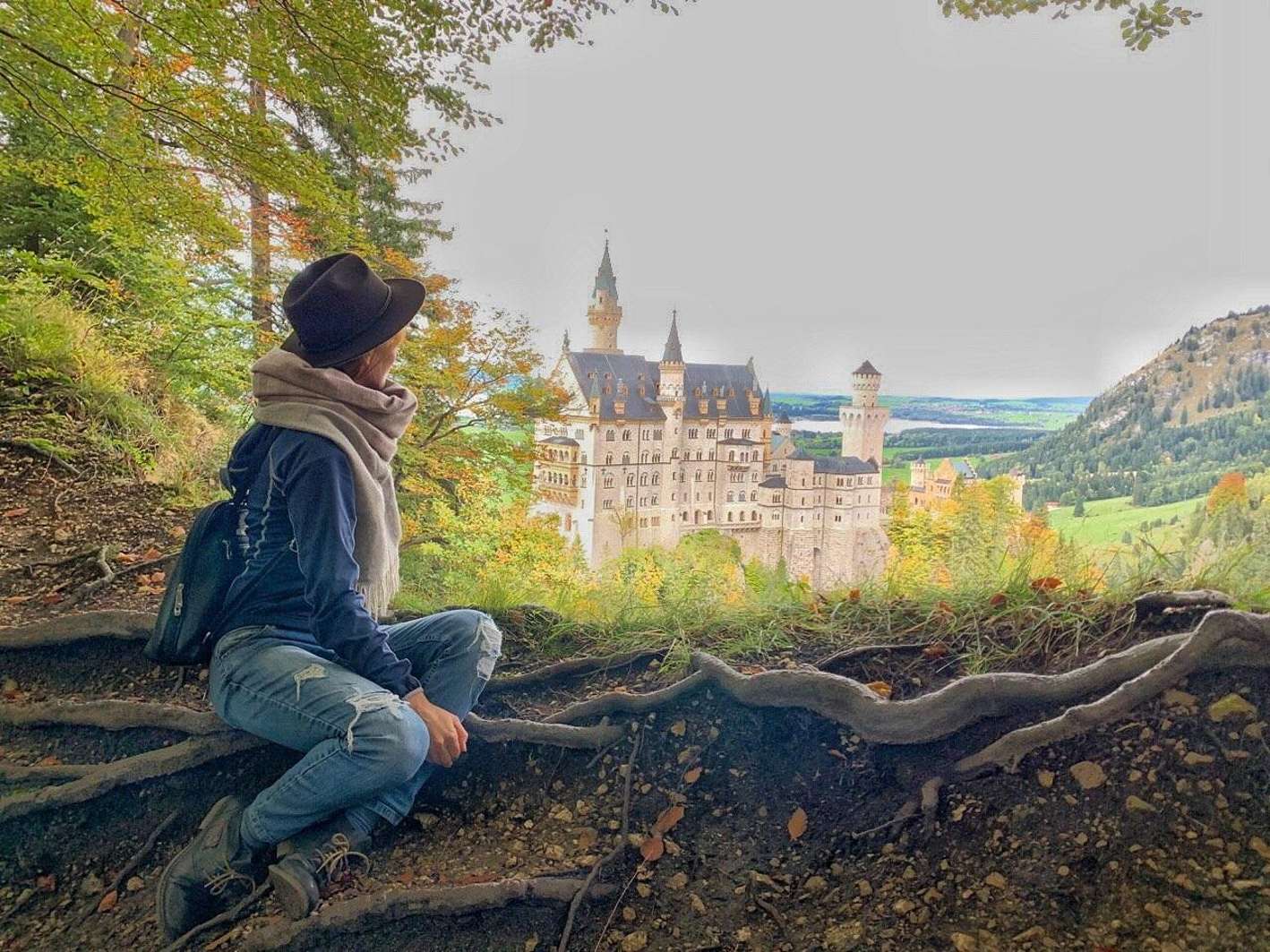
Once the timed slot is spent, the day is still yours. The trail beyond Marienbrücke is the move most visitors miss: about ten to fifteen minutes past the bridge, viewpoints open up with the same castle panorama and a fraction of the crowd.
The forest road toward Bleckenau holds a clearing with a view from a similar angle.
For a base, Hohenschwangau is the shortest walk to the first castle slots of the day.
Füssen, the nearest town, works better for train connections, with buses 73 and 78 linking it to the village, and the Füssen Card covers the ride on line 78 free. Schwangau is quieter still, best if you have a car.
Two castles in one day is realistic if you book both slots yourself: allow at least 2.5 hours between the two entry times, and remember that Hohenschwangau Castle climbs 20 to 30 minutes from the ticket center while Neuschwanstein takes about 40.
The German Alpine Road's Royal Allgäu section ties it together, and from Füssen the road runs on toward Oberammergau and the Zugspitze region, about an hour's drive away.

The choice comes down to one question: what happens if a connection slips. If a missed bus or a full parking lot would ruin the day, a booked trip absorbs that risk for you, and travelers keep saying the same thing about how it feels once the logistics are handled.
A well-organized half-day trip to Neuschwanstein! Lahdo, our guide, was friendly and super organized. You must stick to the schedule and there's little free time, but everything runs smoothly.
Make it on your own if you read timetables with pleasure and want the day at your own pace. The train and bus route works, the Bayern-Ticket covers it, and arriving early in Hohenschwangau is its own reward.
Just book the castle ticket months ahead, because that is the one piece independent travelers cannot conjure at short notice.
Take a tour if your entry slot matters more than your freedom: the coach and train tours pre-reserve castle tickets that sell out months ahead, and the private driver removes every connection for families and photographers.
Go independent if you enjoy timetables and want a slower day: the Bayern-Ticket covers the whole train and bus route, and arriving early costs nothing but an alarm.
Three generations of us (6 total) had a wonderful day with Mario!
A well-organized half-day trip to Neuschwanstein! Lahdo, our guide, was friendly and super organized. You must stick to the schedule and there's little free time, but everything runs smoothly.
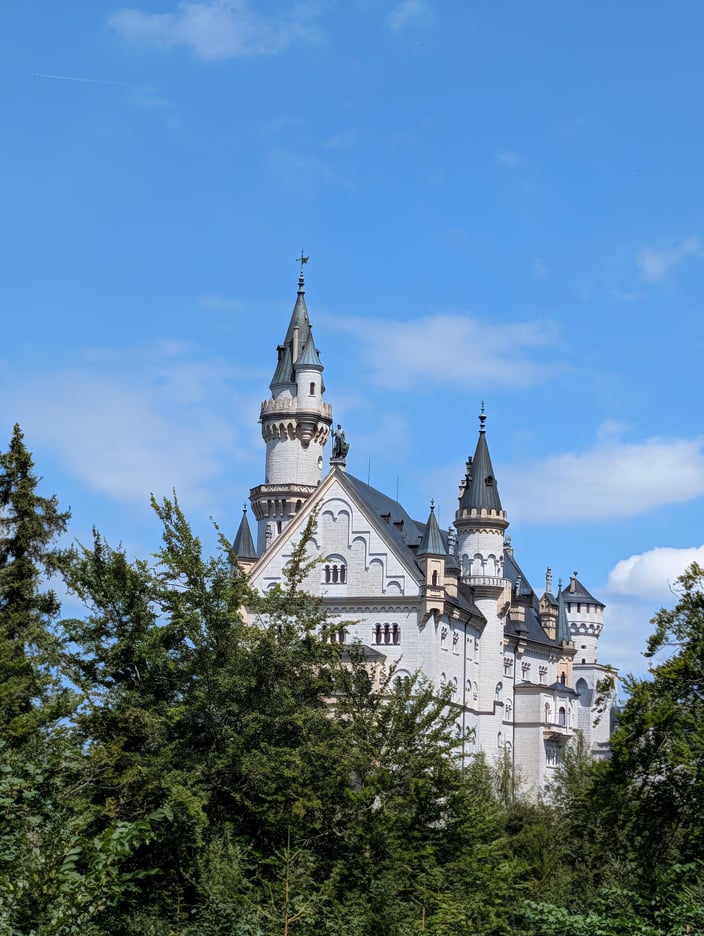
Fun trip! Twelve of us, no stress about tickets or directions, yet we still used public transport for a local feel.
Both castles were beautiful, Linderhof inside, Neuschwanstein outside. I took the shuttle up and had time for Marienbrücke; walkers missed it.
Tomáš was excellent! Lovely drive from Munich with nice Alpine views, and Neuschwanstein was beautiful and very interesting.
Such a wonderful day trip! Huge shoutout to Armin, so knowledgeable about the area's history and kept the day interesting with great conversation. 100% recommend him!
The perfect tour if your goal is just Neuschwanstein and its surroundings. Totally seamless, no stress about where to go. The guide is local and lives near the castle.
Most reviewers praise their guide by name, calling the friendly, knowledgeable guiding the best part of the day.
Many loved how the regional train and small group made the trip feel like traveling with locals.
Several wished for more time at Marienbrücke, where summer crowds cut into their photo stops.
Take a regional train from Munich to Füssen, about 2 hours, then bus 73 or 78 from outside the station to Hohenschwangau in roughly 15 minutes. From there it is a 30 to 40 minute uphill walk or a shuttle ride to the castle. The Bayern-Ticket covers both the train and the local bus.
You can drive to Hohenschwangau, but not up to the castles. Private cars must stay in the paid valley lots P1 to P4, and from there you continue on foot, by shuttle bus or by horse-drawn carriage. From Munich the drive is about 125 km and takes around 1 hour 50 minutes without traffic.
Arrive in Hohenschwangau 1.5 to 2 hours before your entry slot, or at Füssen station at least 2 hours ahead. Tickets are valid only for the time printed on them, and a late arrival means you cannot join the guided tour, even if the delay was not your fault.
Buses 73 and 78 line up outside Füssen station and stop at Hohenschwangau on Alpseestraße, about 15 minutes away and a short walk from the ticket area. In July to September they can be very full, so allow extra time for the connection from the train.
The shuttle leaves from parking P4 below Hohenschwangau Palace and runs to the Jugend lookout point near Marienbrücke, leaving a 10 to 15 minute downhill walk to the entrance. It runs on demand with no fixed timetable and does not operate on snowy or icy roads, so expect waits on busy days.
The carriage departs from Hotel Müller on Alpseestraße and stops at a turning area below the castle, where a 450-metre uphill walk of 10 to 15 minutes remains. It runs all year on demand, needs no reservation, and is a good backup when snow stops the shuttle.
The route from the Ticket Center is about 1.5 km and takes 30 to 40 minutes uphill, paved but steep in places. Wear supportive shoes with good grip, and dress in layers with a waterproof shell, since the weather can shift quickly in the mountains.
A direct bus runs once daily and takes about 2 hours 11 minutes. By car it is roughly 64 km and 76 minutes without traffic; follow signs for Hohenschwangau and the royal castles, and leave the car in a valley lot.
Take the train via Bregenz and Lindau toward Füssen, then the local bus to Hohenschwangau; the whole journey takes about 7 hours, so it makes more sense as an overnight trip than a day trip. Driving is about 278 km and roughly 3 hours.
You still get up. The horse-drawn carriages run year-round, and walking the full route from the ticket centre takes 30 to 40 minutes uphill. Snow can also close Marienbrücke, but that does not affect the castle visit or its guided tours.
Travelers say organized tours take the coordination off your plate. One small-group train tour from Munich caps at 10 to 12 guests and includes the regional train, local transfers near the castle and an entry ticket, all managed by the guide.
A private driver from Munich picks you up at your accommodation and handles the road, though the timed entry is still fixed.
Once the transport is sorted, work out whether you need a guide inside the castle or can tour the rooms alone.
See how organized group day trips bundle the train and bus connections you would otherwise juggle yourself.

Timed slots mean a late arrival forfeits entry, so read up on how reserved admission actually works.
Prefer arriving under your own steam after the transfer? Bike tours add lakeside cycling around Füssen.
If the drive to Hohenschwangau is only half your plan, see how Linderhof pairs with it in one long day.
Drivers leaving the car in the valley can find scenic routes, detours and parking detail on the road trip page.
Compare every Munich departure, from small-group rail trips to full-day coaches, in one place.
Already in Füssen? Short local tours and walks to the castle start from the station, a bus ride away.
Base in Garmisch-Partenkirchen instead? See the express tour that crosses the Alps to reach the castle.
Crossing from Austria needs border documents and a plan; the Innsbruck page lays out the options.
There is no direct Salzburg coach, so find out which cross-border day trips actually run.
Your ticket timing decides your whole journey plan, so check prices and buying rules before you travel.
Snow can stop the shuttle and close Marienbrücke, so pick your season with the opening hours in view.
Traveling with a stroller or a dog changes the uphill leg completely; get the family rules here.
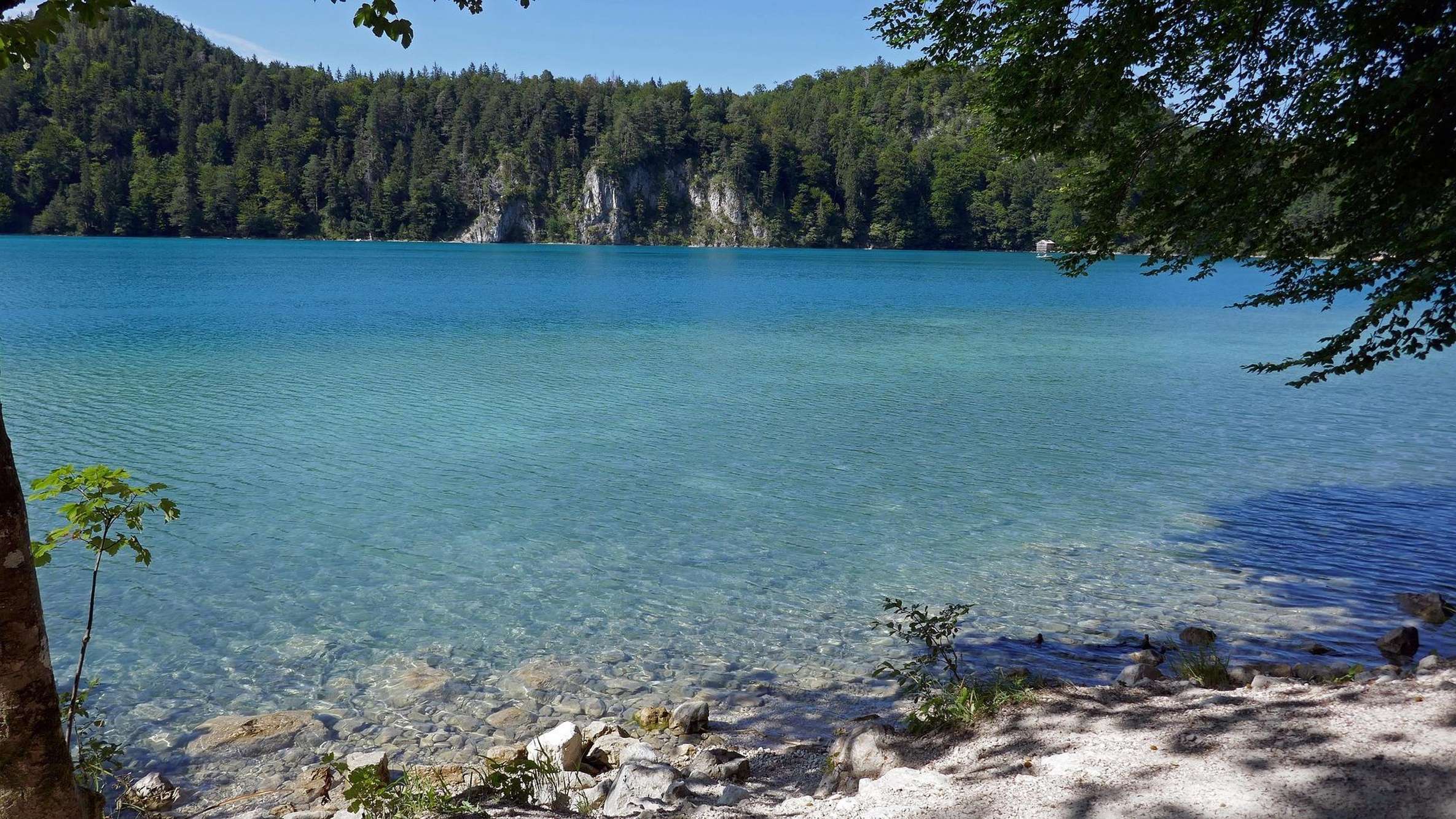
Round-trip regional train travel, your castle entry ticket and a guide who handles every transfer, capped at 12 guests. Cancel free up to 24 hours before.