
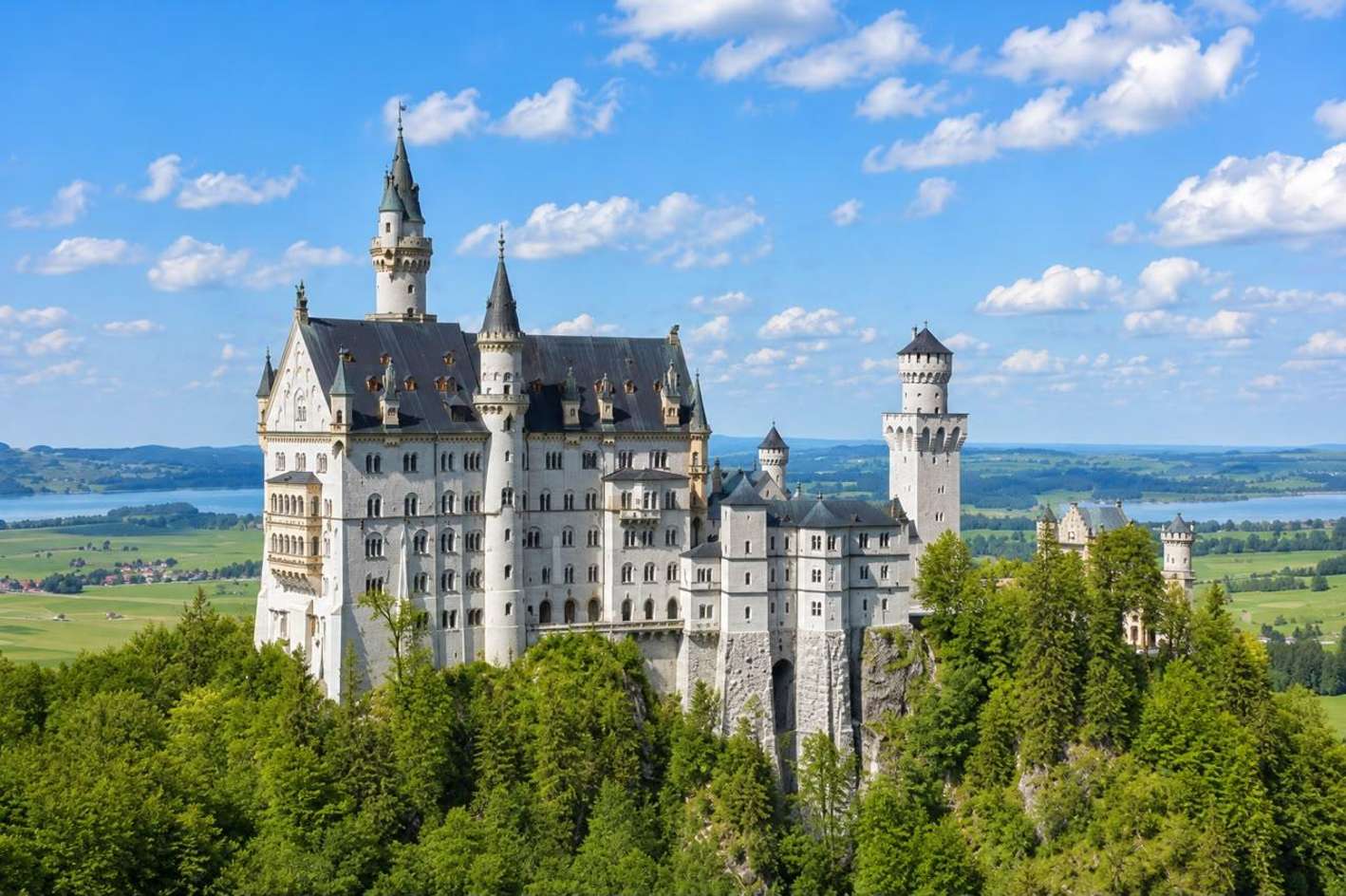
A · Neuschwanstein
Schwangau, near Füssen, all year
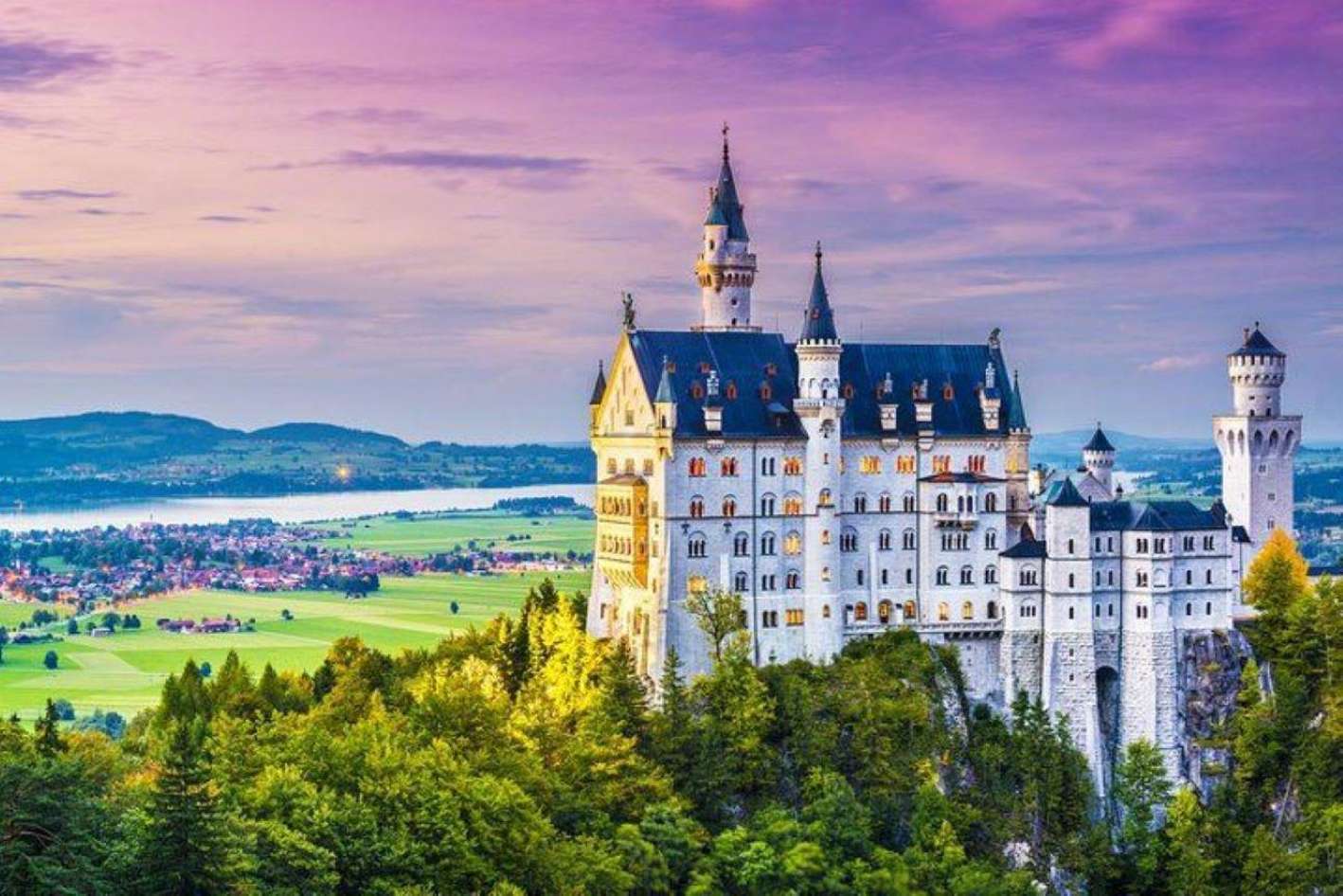
The fairy-tale palace on its ridge, with the classic view from Marienbrücke over the Pöllat Gorge
Best for: History lovers and rainy-day plansTours here
Stop choosing between the fairy-tale castle and Germany's highest peak. Do both in one day - a private 12-hour tour from Munich with hotel pickup, a driver-guide, photo stops at Eibsee and a flexible itinerary that bends around the weather. Book your seat and keep the whole day for both.
Do both in one day if you can. A private Munich tour covers Eibsee, the Zugspitze and Neuschwanstein in twelve hours, so the choice is not either-or.
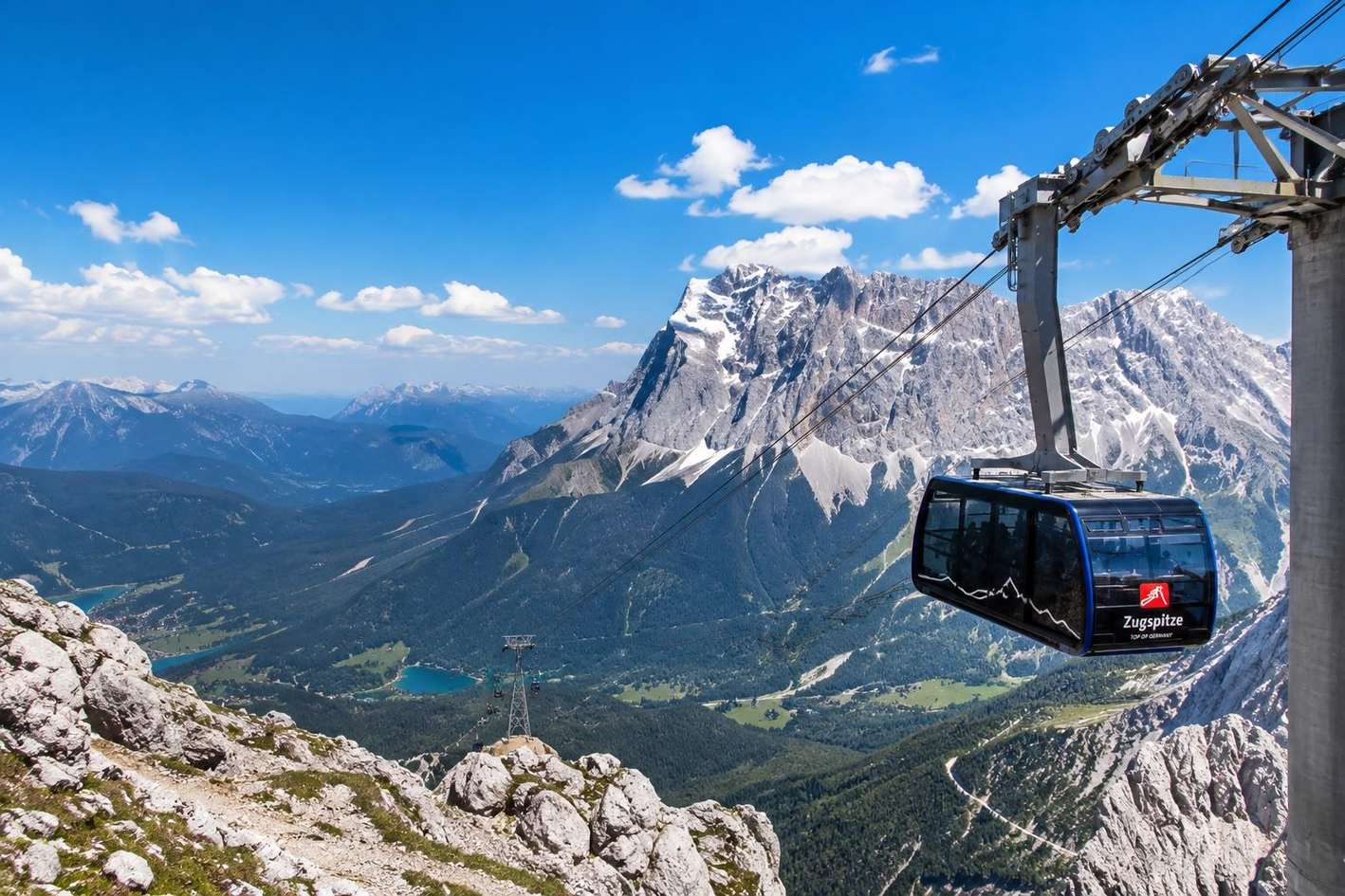
Pick by forecast and by what you want to remember. The Zugspitze gives you 400 peaks, four countries and a glacier at your feet, but cloud can erase all of it. Neuschwanstein's 30-minute interior tour runs whatever the sky does.
If you can't face choosing, a private Munich tour covers both in one twelve-hour day: Eibsee, the Zugspitze region, Highline179 and the castle. Just don't attempt it by train and bus; the connections alone eat the day.
One free day in Bavaria, two very different prizes: a fairy-tale palace on its ridge and Germany's highest summit. The forecast, the legs and the tickets decide it, and there is a way to have both.
Both attractions sell out on peak days: Neuschwanstein tickets go months ahead and same-day tickets at the Zugspitze can run out on good-weather days and holidays.
Reserve your Neuschwanstein entry online well before your trip, and for the Zugspitze book a day-specific ticket in advance when a clear forecast or a holiday is coming. If you plan to combine the castle and the summit in one day, a private tour with flexible stops and help securing tickets handles both bookings for you.
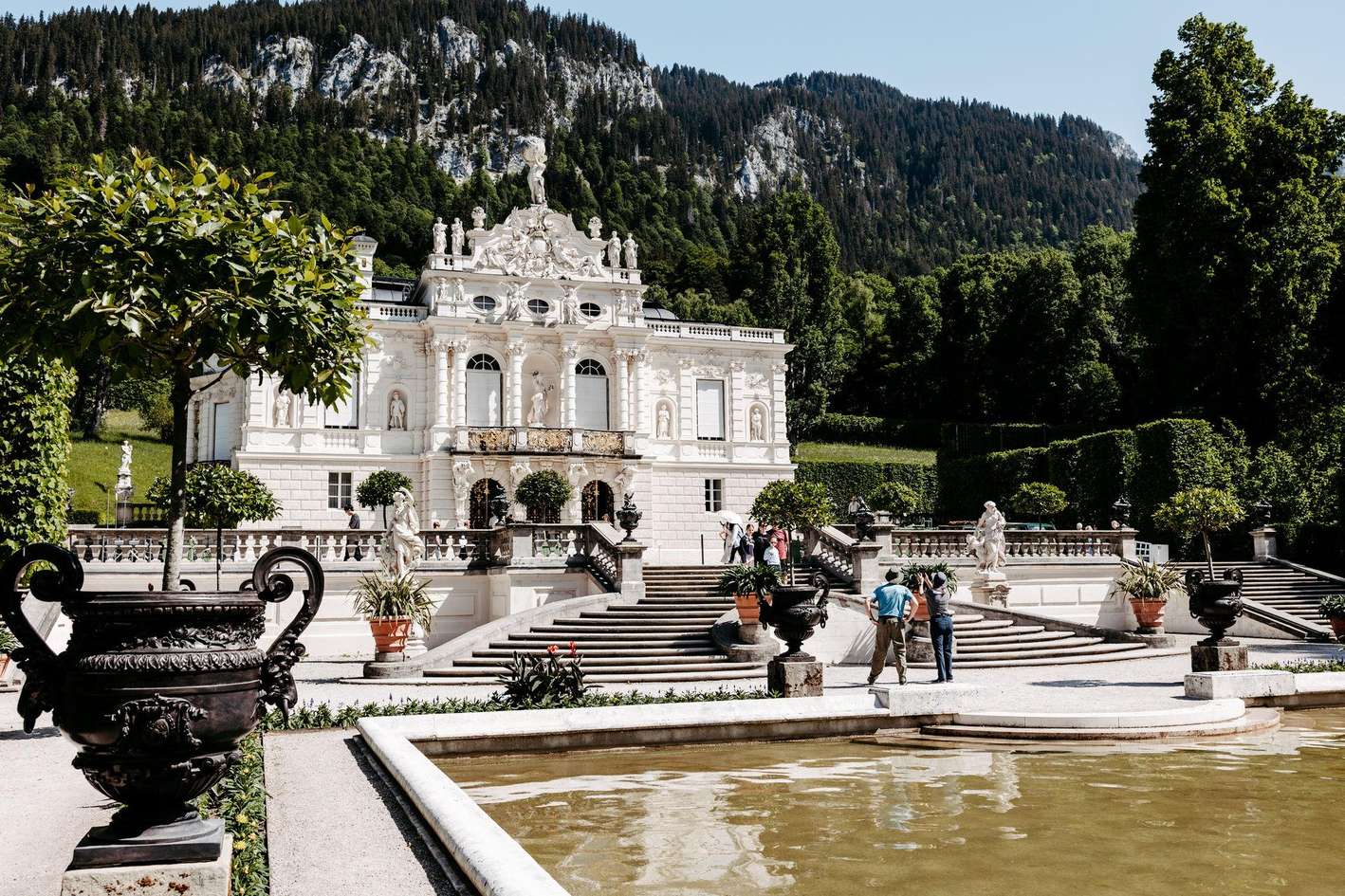
Neuschwanstein earns its fame from below and above. The castle sits on a rocky ridge over the valley, and the classic view comes from Marienbrücke, the footbridge strung across the Pöllat Gorge.
From there the whole facade hangs in front of you, lake and forest behind. The 30-minute interior tour is the history; the bridge is the photograph.
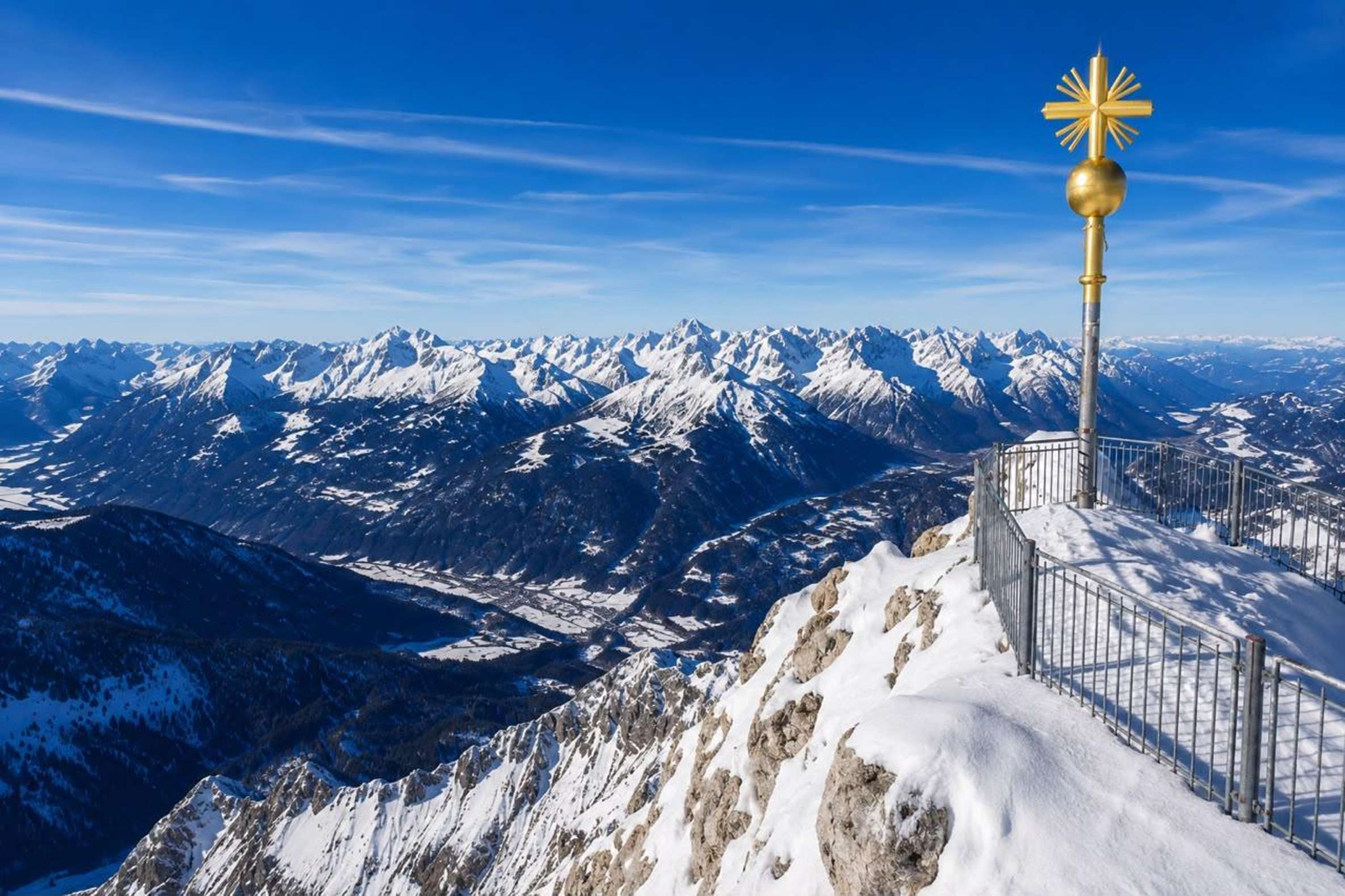
The Zugspitze plays a different game. Its summit deck gives a 360-degree panorama of around 400 peaks, reaching into Germany, Austria, Italy and Switzerland. You can stand at the German-Austrian border marker and cross to the other country on foot.
In summer a circular trail leads out onto the Zugspitzplatt glacier, with information panels on ice and geology; in winter that same plateau is a ski area. There is a Photostop marker for the summit picture, and enough snow some summers for a toboggan run.
One gives you a single, perfectly framed picture of a building. The other gives you a horizon. Neither is a consolation prize, which is why the choice refuses to settle itself.
The deciding factors, then, are not the views but everything around them: sky, trains, legs and tickets. Those are what the next chapters weigh.
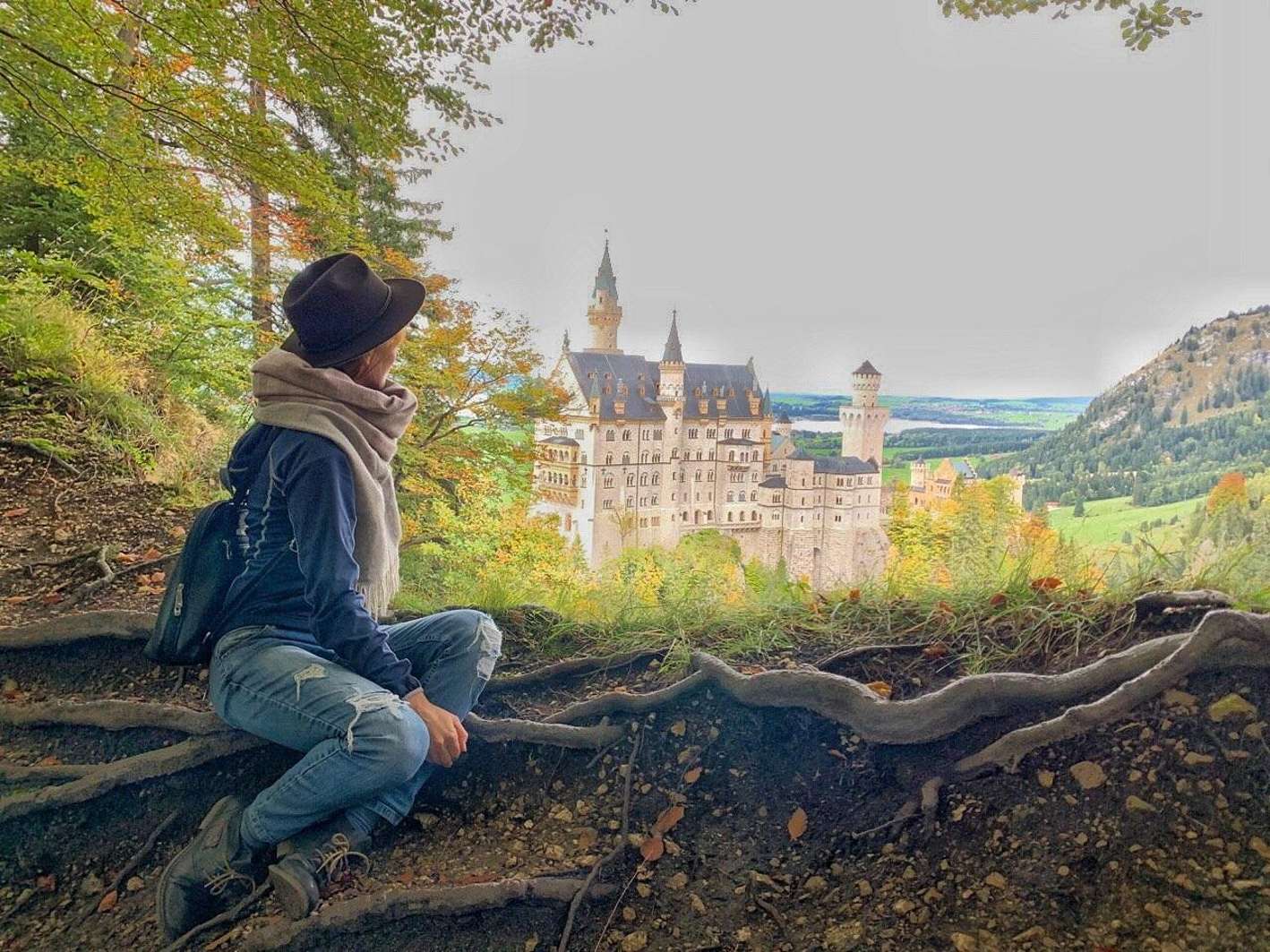
Cloud is where the two options truly split. The Zugspitze summit sits in cloud or thick mist on about 200 days a year. When that happens, the panorama, the reason for the whole trip, simply disappears; a short visit may be all it deserves.
The reversals go both ways: the peak can float above a sea of cloud while the valley fogs, or the summit can be grey while the valley basks.
Neuschwanstein does not have this problem. The interior tour runs whatever the sky does, so a grey day costs you little beyond some viewpoint photos. Low cloud may hide the castle from a distance, but you are still walking the halls.
So the playbook writes itself. If the forecast is mountain-clear, the summit wins on pure spectacle. If the sky looks doubtful, the castle gives you a full day regardless.
Late autumn, winter and early spring bring more variable mountain weather, and storms can suspend the cable cars outright; the Zugspitze also closes entirely for maintenance each November. A grey Tuesday in Schwangau is just a Tuesday. A grey morning at 2,962 metres is a different day out altogether, and not the one you booked.
Transit favours the mountain. The train from Munich to Garmisch-Partenkirchen takes about 1.5 hours, then the cogwheel railway climbs 75 minutes to the summit station, or the Eibsee cable car does it in 10. Allow about 2 hours door to valley station.
The castle asks more of you. The regional train to Füssen takes about two hours and usually means a change at Buchloe, then buses 73 or 78 cover the 8 to 15 minutes to Hohenschwangau.
All told, budget around 2 hours 45 minutes from Munich Hauptbahnhof. The weekend 8:03 train runs through to Füssen without a change, the one kindness the timetable offers.
Driving narrows the gap: the mapped Munich to castle drive runs about 110 minutes over 124.8 km without traffic, against the train-and-bus route at about 2.5 hours.
That mapped figure assumes an empty road; summer weekends to the lakes will stretch it. Neither destination punishes you for the journey; the castle simply costs you a connection and a bus more.
Where transit really fails is the combination, and that is its own chapter. For a single destination from Munich, the Zugspitze wins the logistics and the castle the longer haul, every time.
First instinct says the mountain is the harder day. The opposite holds. The Zugspitze cable car has level access, and lifts carry you to the restaurant, facilities and summit terrace.
Wheelchair users are even advised to take the cable car over the cogwheel train, which has steps and little room. The only real exertion is optional: the 45-minute Glacier Trail over solid ground, or the exposed scramble to the summit cross if you want it.
What you cannot avoid is the altitude, 2,962 metres, and anyone with a heart condition or sensitivity to thin air may prefer ascending slowly by cogwheel train.
Level cable car access and lifts to the summit terrace beat a steep uphill walk and around 300 stairs
Only one wheelchair or walker user per hour can join a tour, and it must be registered in advance
Neuschwanstein asks more of your legs. The walk from the Ticket Center is about 1.5 km, uphill and steep in places, 30 to 40 minutes on foot.
Inside, the guided tour climbs roughly 270 to 300 stairs through narrow, winding passages, which is why adults often end up carrying small children. The lift exists, but wheelchair and walker users must register in advance, and only one per hour can join a tour.
Comfortable, grippy walking shoes serve both days. The mountain asks for steady lungs; the castle asks for steady knees.
Neither landmark welcomes spontaneity, but the castle is stricter. Neuschwanstein tickets sell out months ahead in peak season, and the handful of same-day tickets released at the Hohenschwangau Ticket Center from 8 am can be gone by late morning. Entry is only possible at the time printed on the ticket, and it cannot be changed.
Neuschwanstein tickets are valid only for the exact time slot printed on them Arrive late, even because of a travel delay, and you can be denied entry with no refund, since the journey risk counts as yours and the time cannot be changed
The Zugspitze is looser. Tickets are generally available at the on-site offices, though the daily quota can run out on good-weather days and holidays, precisely the days you want.
A day-specific online ticket secures the ride in peak periods but holds no seat, so queues still form on busy mornings; the operator suggests going up early when the weather is fine.
The pattern is easy to read. The castle punishes you for deciding late; the mountain punishes you for arriving late on a sunny day. Book Neuschwanstein's timed slot well in advance through the official Hohenschwangau shop, and treat the Zugspitze as a game-day decision based on the forecast.
One reward for all this planning: guided tours at the castle run in German and English, with audio guides in many more languages, every one lasting about half an hour.
A rental car turns the either-or into a route. Munich to Neuschwanstein runs about 110 minutes over 124.8 km without traffic, then the castle to the Zugspitze adds another 63 minutes over 57.6 km. Just under three hours of driving covers both outbound legs.
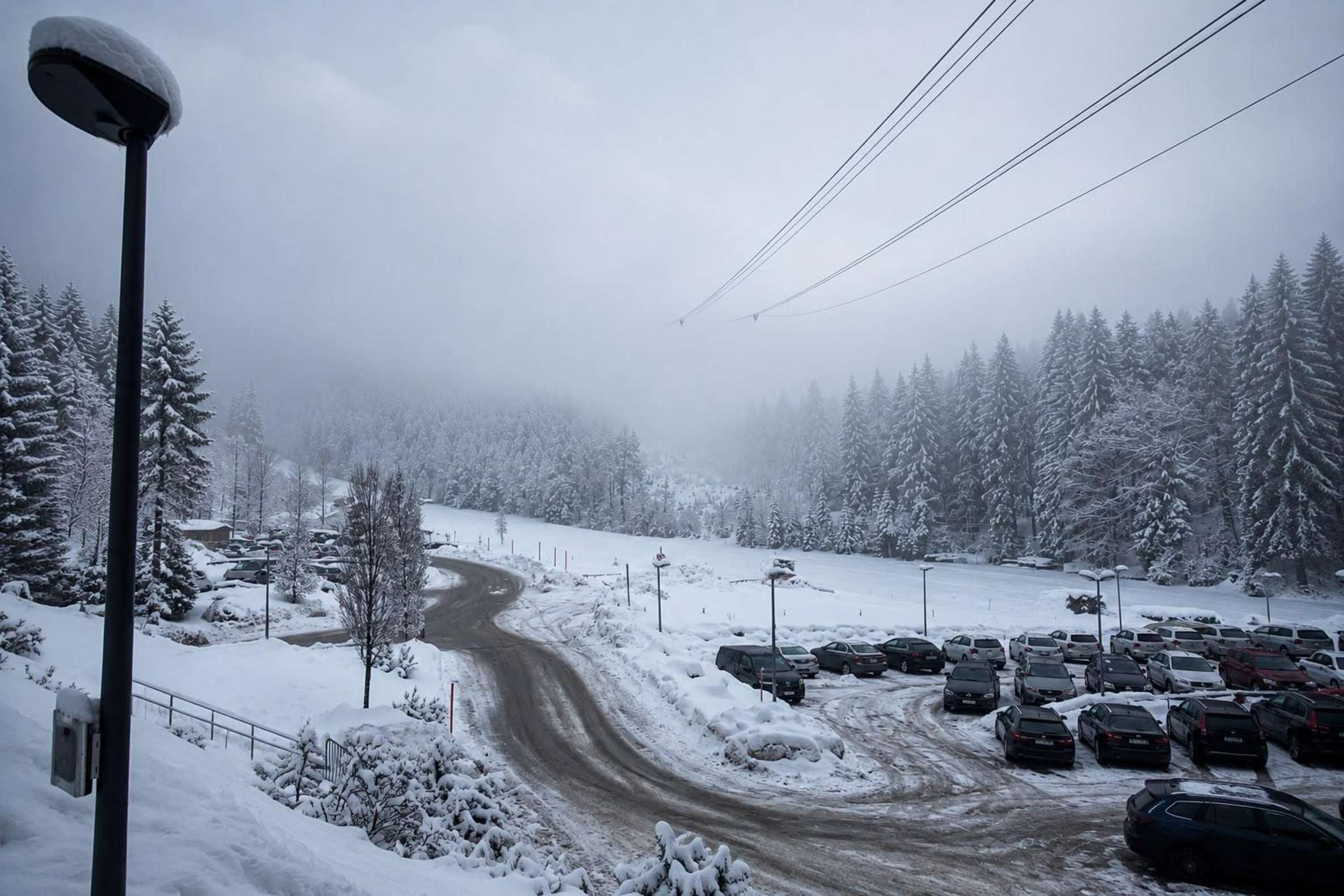
The rules matter more than the distances. Cars stop in Hohenschwangau, at the paid lots P1 to P4; the road to the castle is closed to vehicles without permission, so the last stretch is on foot, by shuttle or by horse carriage. In summer, arrive early, because the lots can fill by 9:30 am.
Winter changes the equation. Germany only allows driving on icy or snowy roads with winter tyres on all wheels, and Austria requires winter equipment from 1 November to 15 April when conditions are wintry, either winter tyres all round or chains on two drive wheels.
Travelers who have done the Munich to Schwangau drive in winter mention icy alpine curves and short days, which an unfamiliar car does not forgive.
On the standard routes via Füssen and the A7 you need no Austrian motorway vignette. Plan a Tyrol motorway detour, and you do.
By car, the mapped drive between the two runs about 63 minutes, and travelers do pair them.
By public transport, forget it: the connection from Hohenschwangau to Garmisch-Partenkirchen and the cogwheel train runs about 4.5 hours, with a single noon connection that arrives shortly before closing. One Bavarian day can hold both, but only on wheels you control.
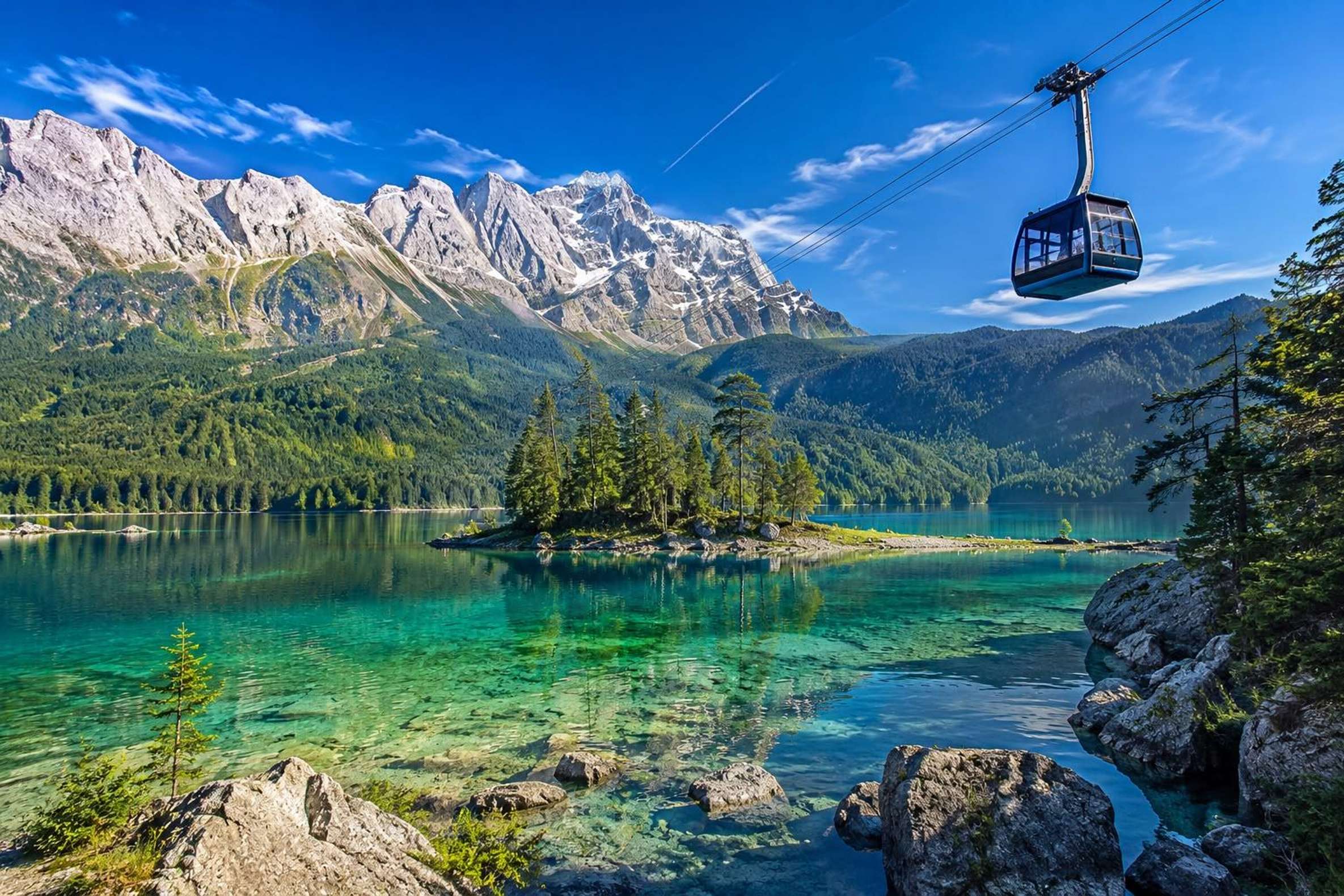
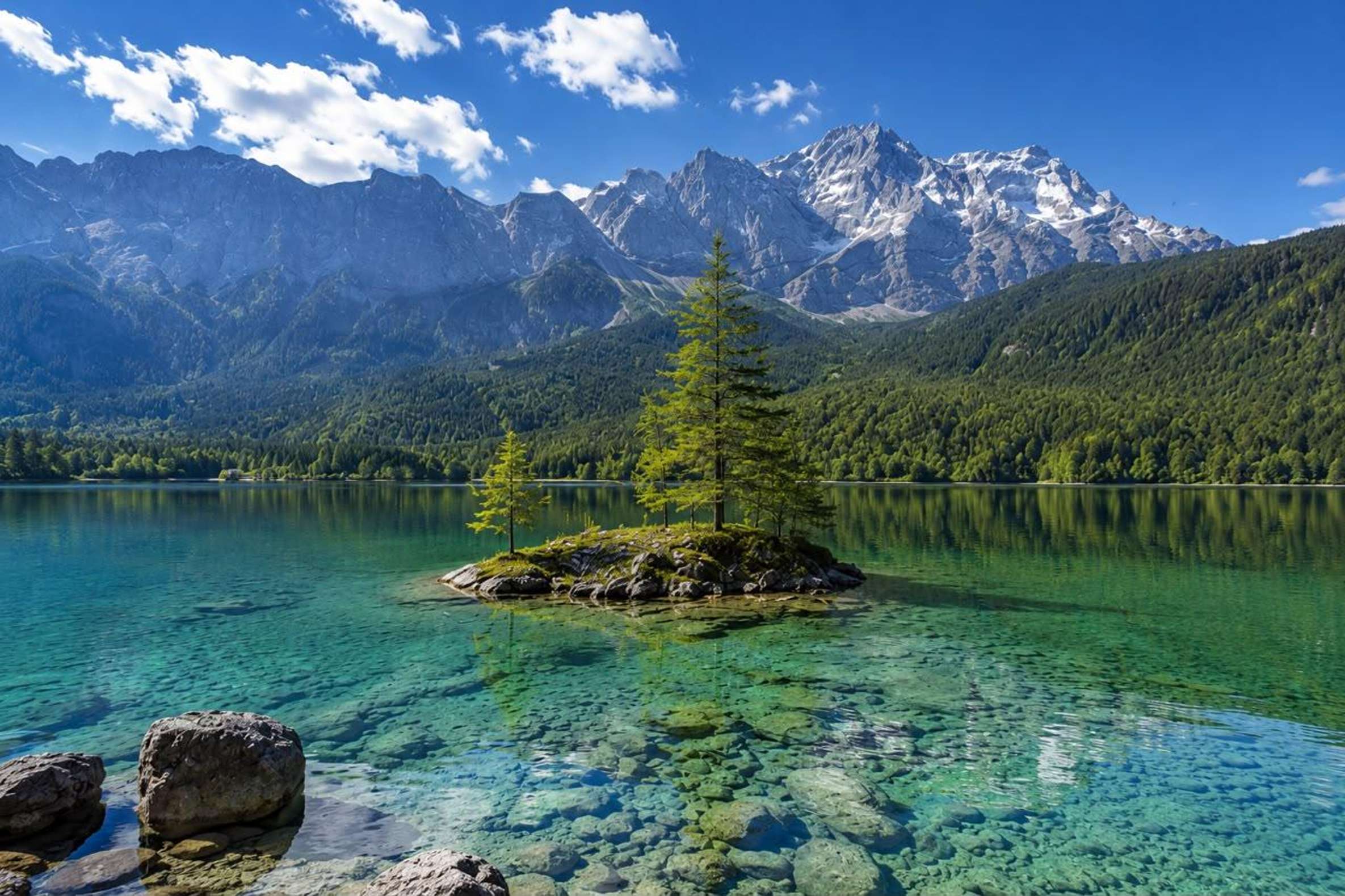
A private tour makes the arithmetic work. The Zugspitze, Eibsee, Highline179 & Neuschwanstein Tour from Munich covers Eibsee lake, the Zugspitze region, the Highline179 suspension bridge and the castle across 12 hours, with hotel pickup, a driver-guide and an itinerary that flexes around weather and traffic.
One thing stays rigid: Neuschwanstein's entry, fixed to the minute printed on the ticket.
| Check | Why it matters | Our pick |
|---|---|---|
| Does the castle entry stay timed? | Neuschwanstein admission is fixed to the start time on the ticket | Yes, and the rest of the day flexes around it |
| Can the schedule change? | Weather and traffic reshape a mountain day | The itinerary adjusts to conditions |
| Who does the driving? | Public transport cannot realistically chain the two stops | A private premium vehicle with hotel pickup in Munich |
Budget the stops honestly. The castle takes about 3.75 hours all in, uphill walk, 30-minute tour and viewpoints included. The Zugspitze round trip needs 3 to 4 hours across plateau, summit and Eibsee.
Twelve hours is not generous, it is exact, and it is why the shuttle-less castle schedule and the mountain both fit on one itinerary only when a private vehicle sets the pace.
Some readers start further west, near the Tyrolean side of the mountains, and for them the castle option takes a different shape.
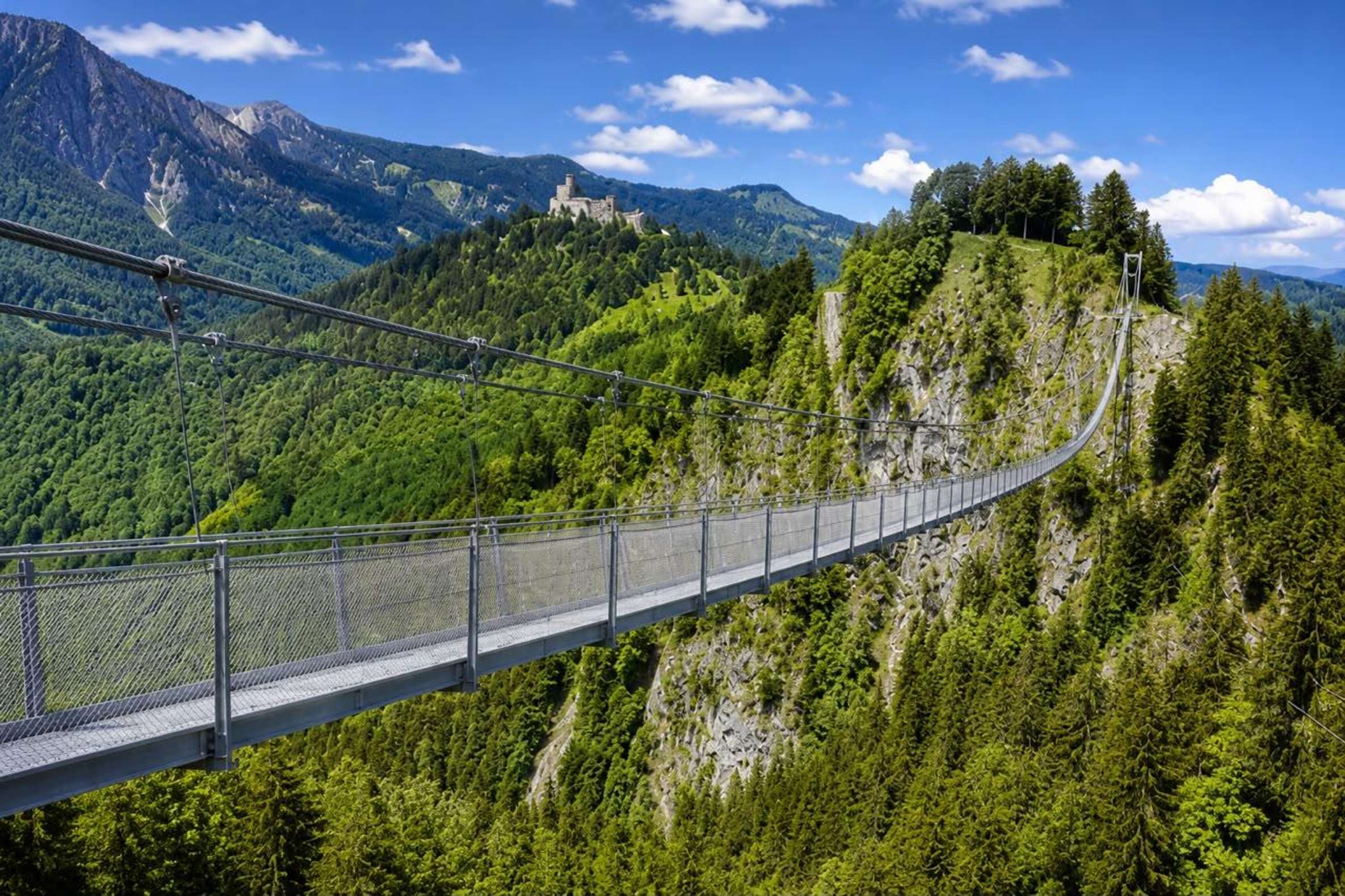
The private tour Neuschwanstein castle and Alps from Innsbruck runs a full day by private vehicle, weaving the fairy-tale castle together with King Ludwig II's story and a crossing of Highline179, the long suspension bridge over the valley at Reutte. On the return it passes Germany's highest peaks and stops at Blindsee lake for photos.
It is the private-trip recipe: door-to-door transport, a driver-guide, skip-the-line ticket reservations, even a shuttle bus uphill when it is running.
Travelers who most often find this worth it are families juggling nap schedules, multigenerational groups, photographers who want time at viewpoints, and anyone chaining several stops into one route. Solo travelers who enjoy running their own timetable do better on trains.
The tour keeps its limits in the open: expect stairs in the castle and uphill walking, tell the operator in advance if a wheelchair needs the castle's special service, and take motion-sickness medicine before the mountain road.
Babies under one year are not recommended on board. For a castle-first day starting west of the border, this is the closest bookable match.
Two constants hold across both destinations. First, the Bayern-Ticket covers the regional trains toward Garmisch-Partenkirchen and Füssen, and even earns a discount on the Zugspitze mountain railway; the Deutschlandticket stops at Grainau, so a separate ticket carries you the rest of the way up.
Second, the gear list barely changes. The castle path is paved but steep, and the summit trail crosses glacier ground: supportive walking shoes with grip serve both days.
Dress in removable layers with a waterproof shell, and expect the summit to run roughly 20 degrees colder than the Garmisch valley floor, a real jacket even in July. Summer brings rain on about half the days from May to September, so the shell earns its space.
| If this happens | What happens then |
|---|---|
| Storm or unsafe weather on the mountain | Cable car and cogwheel service can be suspended for the day |
| November on the calendar | The Zugspitze closes entirely for maintenance in several stretches |
| Snow stops the castle shuttle | The guided tours still run; plan on the 30 to 40 minute uphill walk |
Busy months shape your booking more than your wardrobe. July through October draw the biggest crowds, which means reserving the castle slot and reaching the lots before mid-morning; November is quiet for a reason, the mountain closes for maintenance.
Winter rewards the castle-goer with snow scenes and thin queues, as long as the walk uphill, 30 to 40 minutes if the shuttle stands down, does not put you off. Pack for the valley, carry one extra layer for the top, and the same bag works for either day.
July: 5 out of 5 for how busy it gets.
Tap a month to read it.
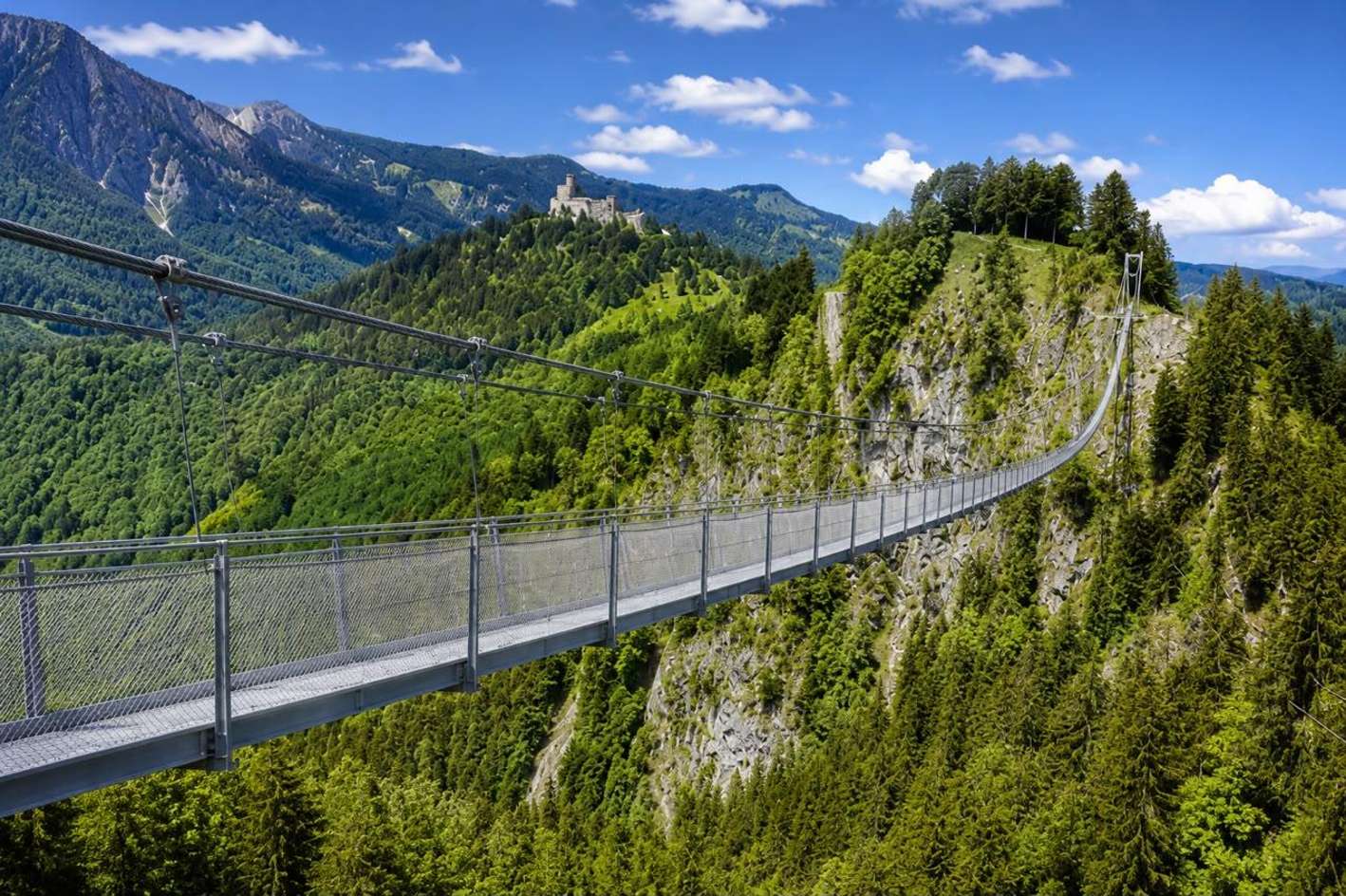
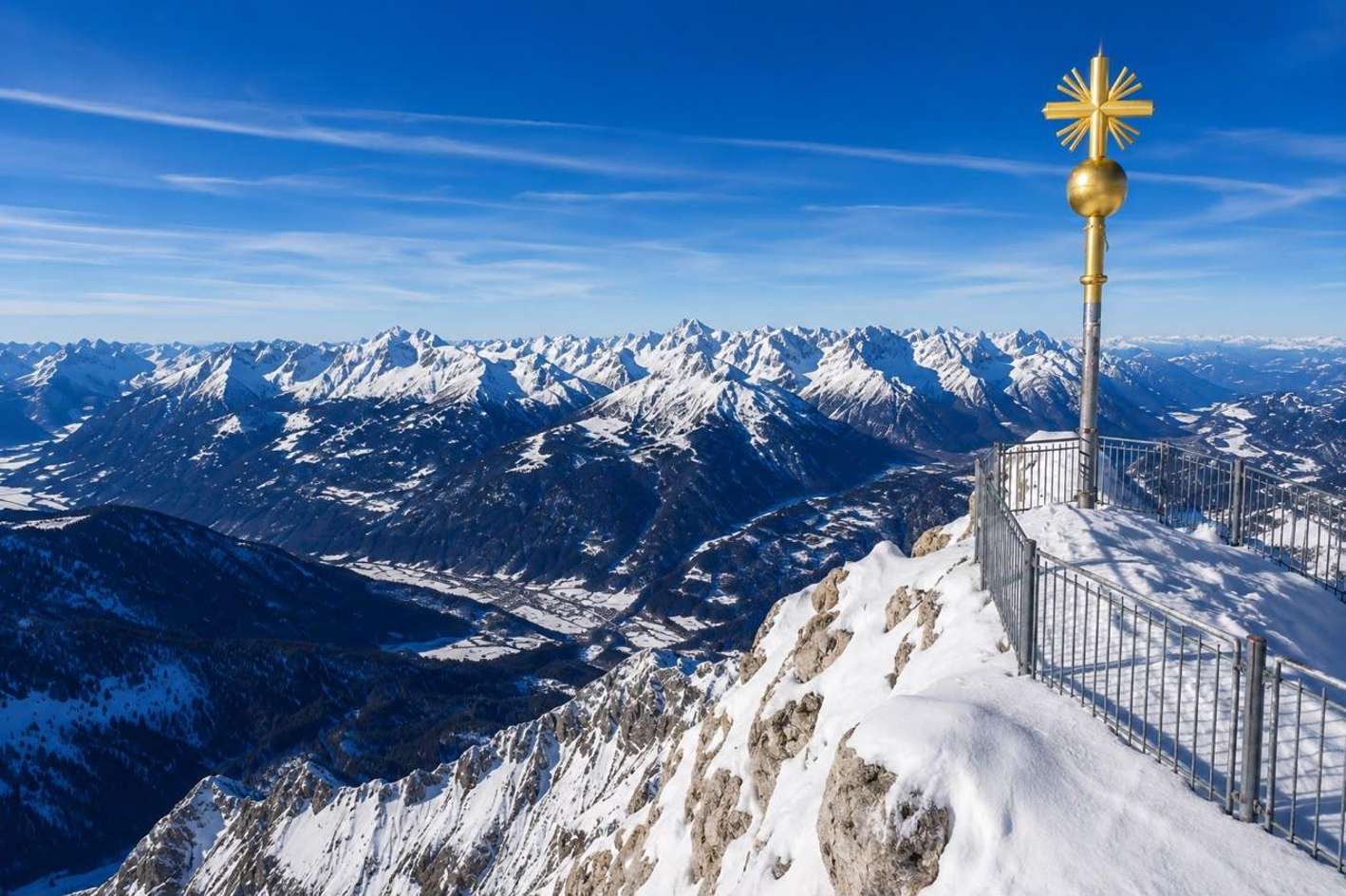
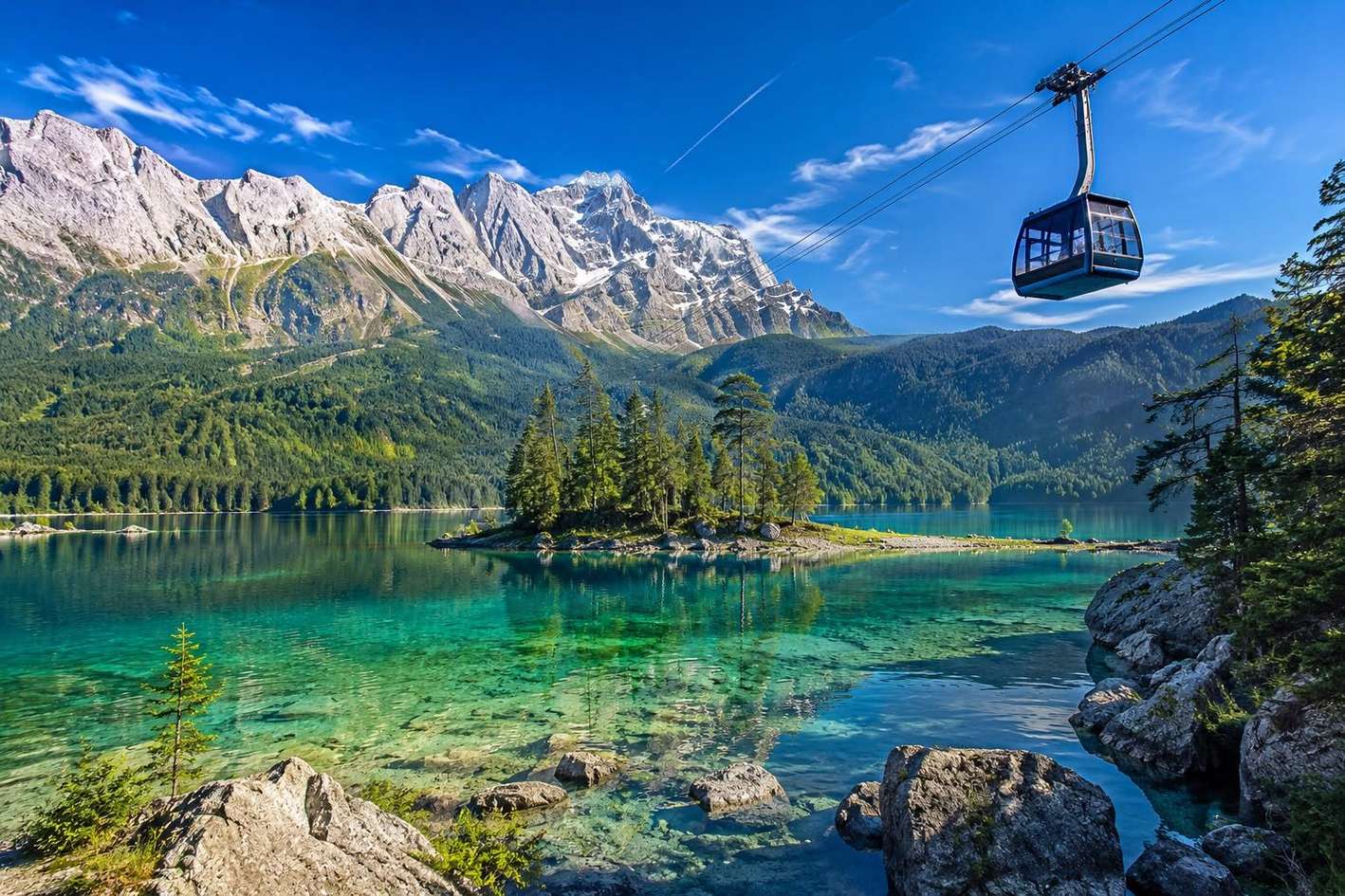
On a clear day the summit gives you a 360-degree panorama of around 400 peaks, spread across Germany, Austria, Italy and Switzerland. You can walk the glacier trail on the Zugspitzplatt plateau and step over the German-Austrian border marker on the summit deck.
Neuschwanstein sits on a rocky ridge above the valley, and the classic view comes from the Marienbrücke bridge over the Pöllat Gorge. You look at the castle from a narrow frame. From the Zugspitze you look across a whole horizon of mountains.
The train to Garmisch-Partenkirchen, the Zugspitze base, takes about 1.5 hours, then a cogwheel railway needs 75 minutes or the Eibsee cable car just 10 minutes to the summit.
The train to Füssen for the castle takes about two hours, usually with a change at Buchloe, then a bus of 8 to 15 minutes to Hohenschwangau.
The interior tour at the castle runs about 30 minutes, plus the walk up and security. For the Zugspitze, allow 3 to 4 hours for the whole round trip, because the plateau, the summit and the mountain railway rides all count toward it.
Check the live webcams before you set out, since conditions change fast and the summit can sit above the clouds while the valley below is grey. If cloud hides the valley, the peaks around you can still rise above it, and some visitors enjoy the atmosphere of standing in the clouds.
A cloudy day rarely stops a castle visit, because the interior tour runs as normal when the castle is open. Fog can hide the castle from viewpoints, so the classic photos from Marienbrücke may be the part that suffers.
By car the two legs take about 2 hours 53 minutes without traffic, so a private tour with a flexible itinerary makes it work. By public transport it is close to impossible: the connection from the castle area to Garmisch takes about 4.5 hours, with a single noon service arriving near closing time.
By road the Zugspitze lies about 45 to 48 kilometers from the castle, roughly an hour of driving. By public transit the same journey stretches to about 96 kilometers and 4 hours 38 minutes, with a bus connection to Garmisch-Partenkirchen before the cogwheel train.
The Zugspitze is the easier of the two: the cable car has level access, and lifts connect the summit station's restaurant, facilities and terrace.
At Neuschwanstein the approach is a steep 1.5 km climb, wheelchair users must register in advance for the lift, and only one wheelchair or walker user per hour can join a tour.
Both work. On the Zugspitzplatt, kids can play in the snow on the glacier in summer and use family toboggan runs. Around Neuschwanstein, families walk the Alpsee trail, visit Mary's Bridge, and can follow the water with a swim at Alpseebad or a boat rental at the boathouse.
For the castle, yes: same-day tickets are sold at the Hohenschwangau Ticket Center when available, and they often sell out early in the morning. Zugspitze tickets are usually available on site, but the allocation can run out on good-weather days and during holidays, so a reservation removes the risk.

If the palace wins, see what a guided castle tour adds and whether you need one at all.
Small-group day trips that handle the train and bus connections for you, from Munich and beyond.

Timed castle entry works differently from a summit cable car ride; here is how the express option really works.
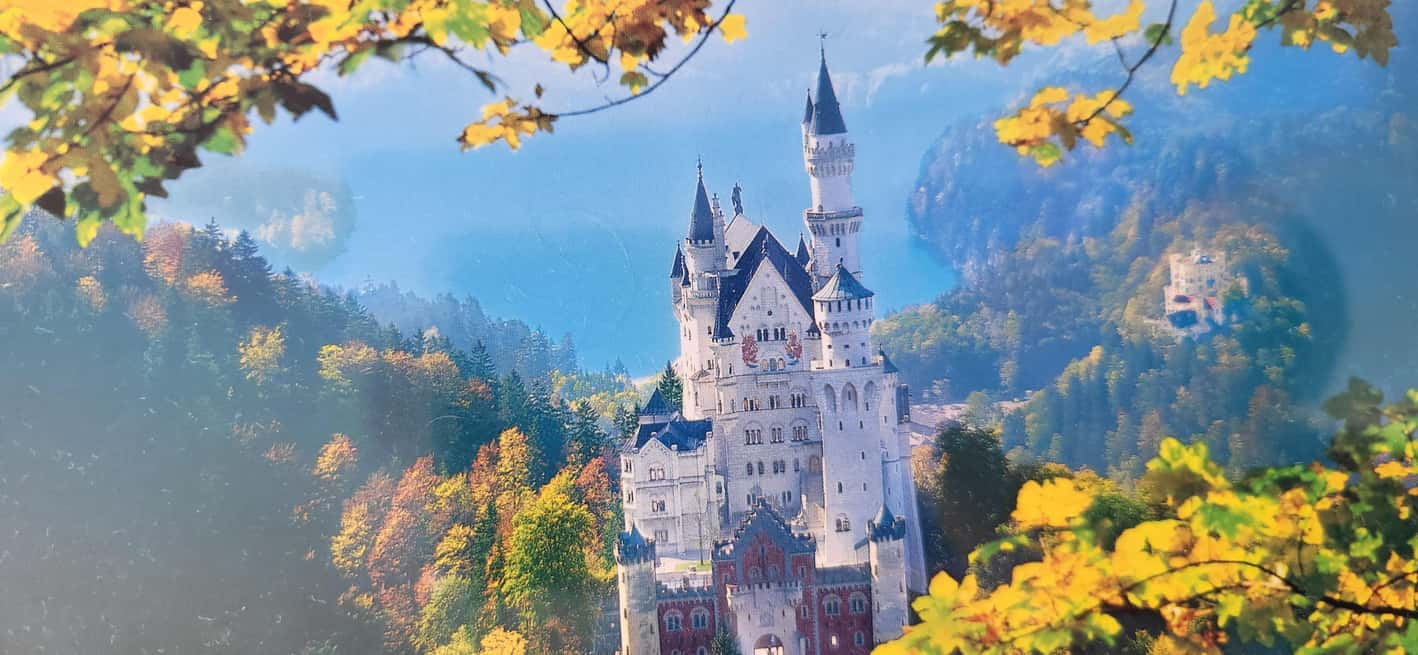
An open-air way to reach the castle by bike, with lakeside paths and a day out in the valley air.
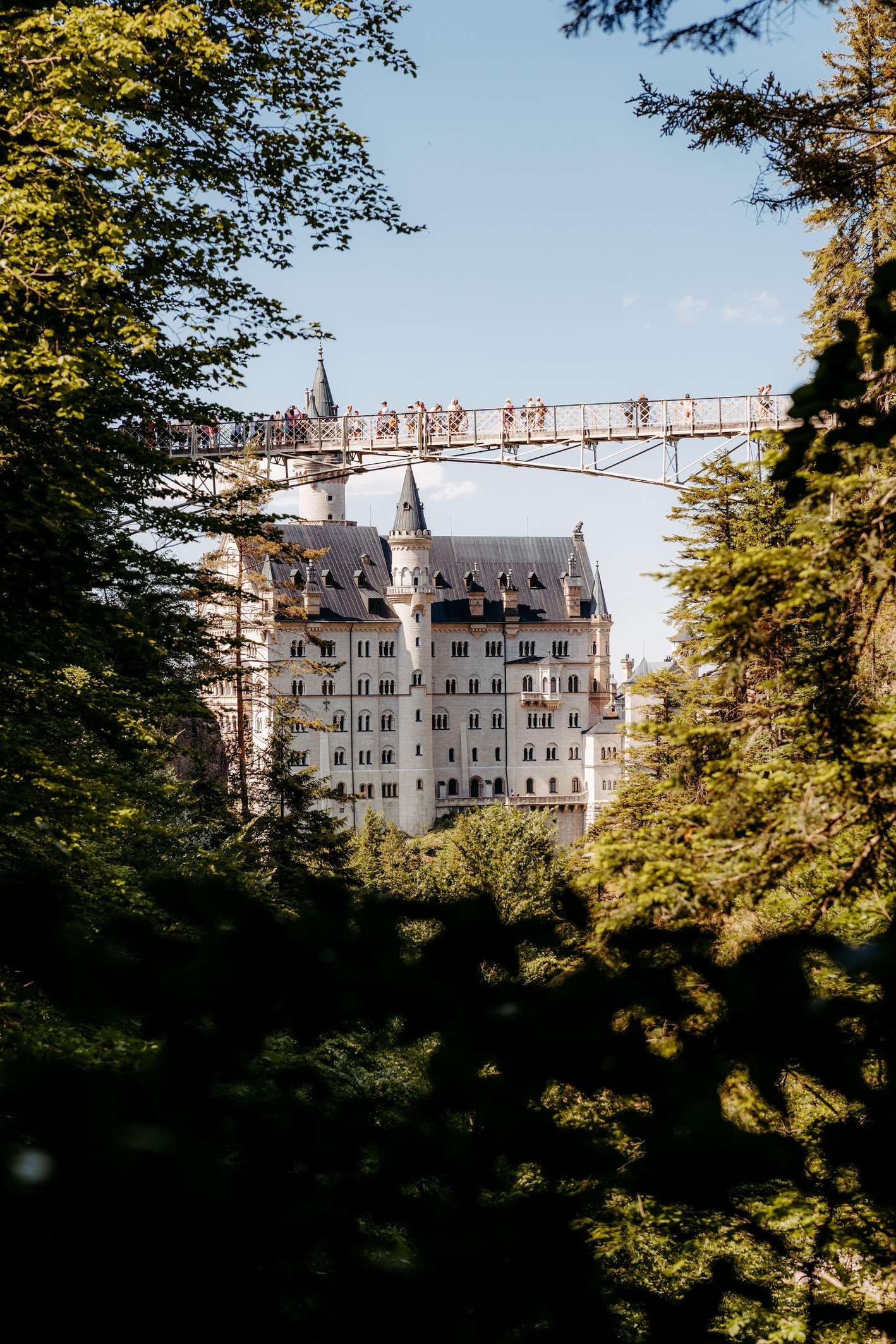
Two royal residences in one day trip, for readers leaning toward Ludwig's palaces over the peaks.

Driving routes and alpine highways if you would rather have the wheel than a bus timetable.
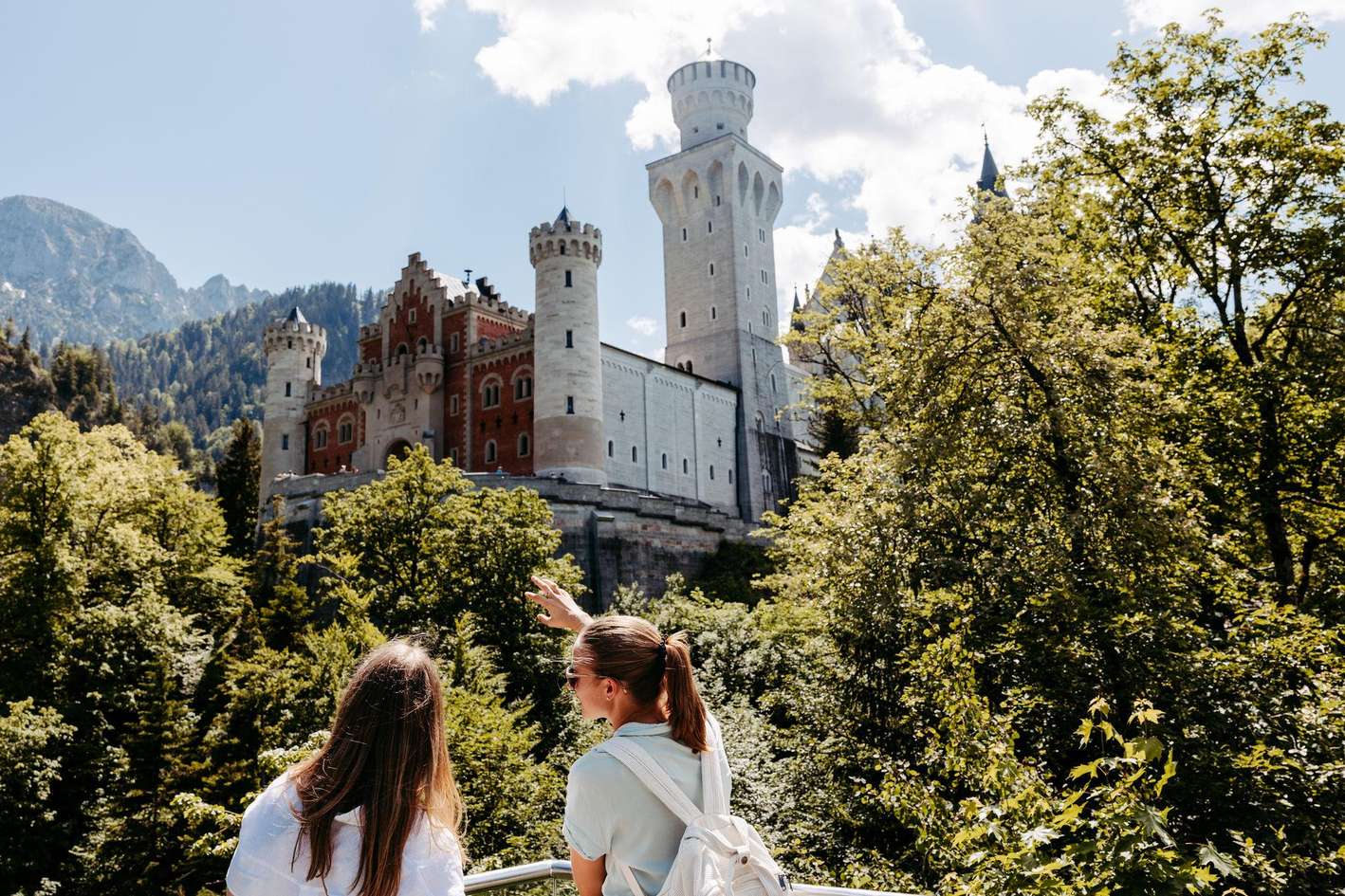
Day trips from Munich covering the castle, and some that stretch into the mountains as well.
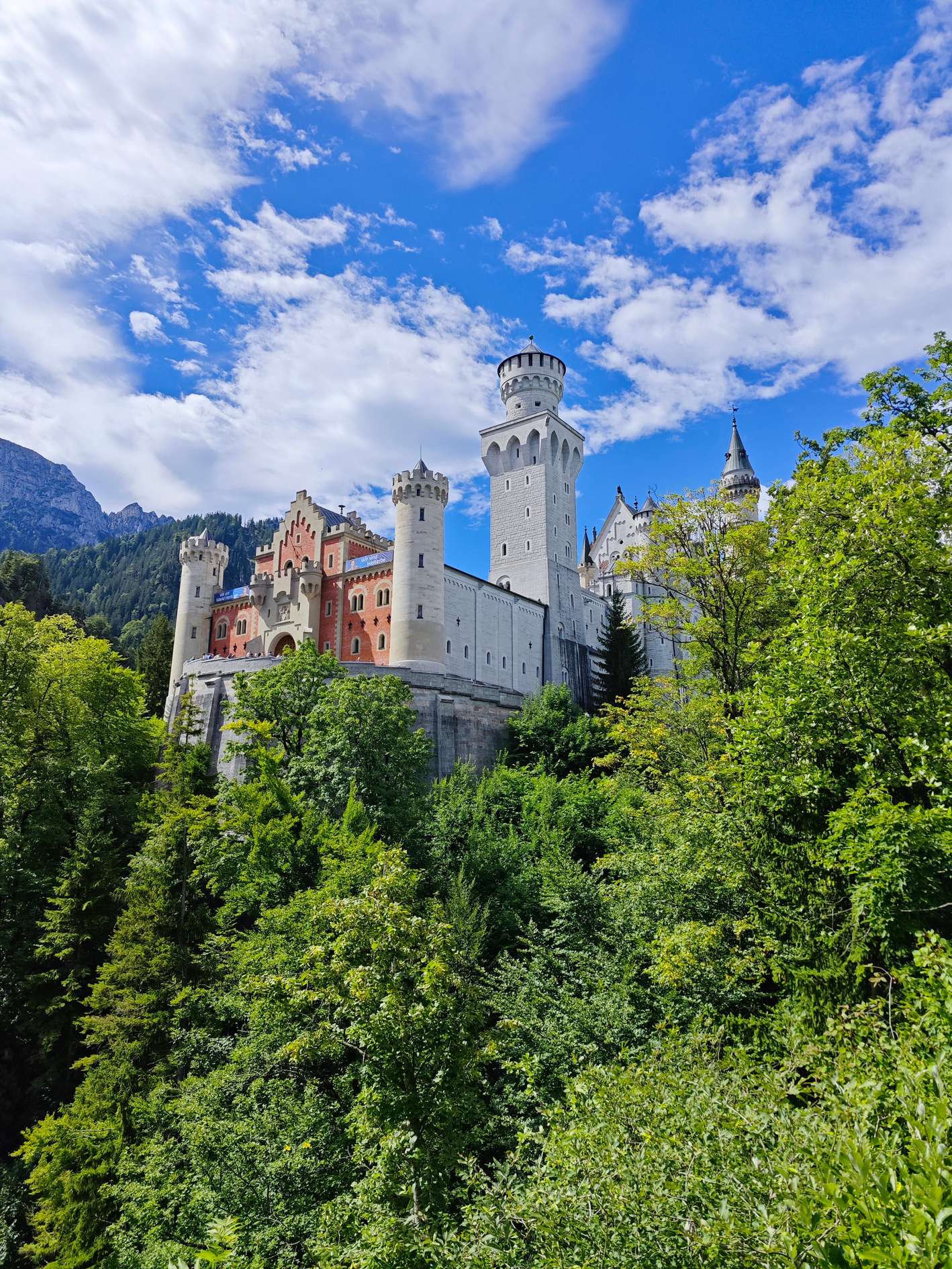
Already based in Füssen? These tours start near the castle and skip the long haul from Munich.
Stay in Garmisch and see the castle from the other side, with the summit country on your doorstep.
Cross-border day trips from Innsbruck that fold in the Austrian Alps along the way.

What a day trip from Salzburg really looks like, including how the cross-border links run.
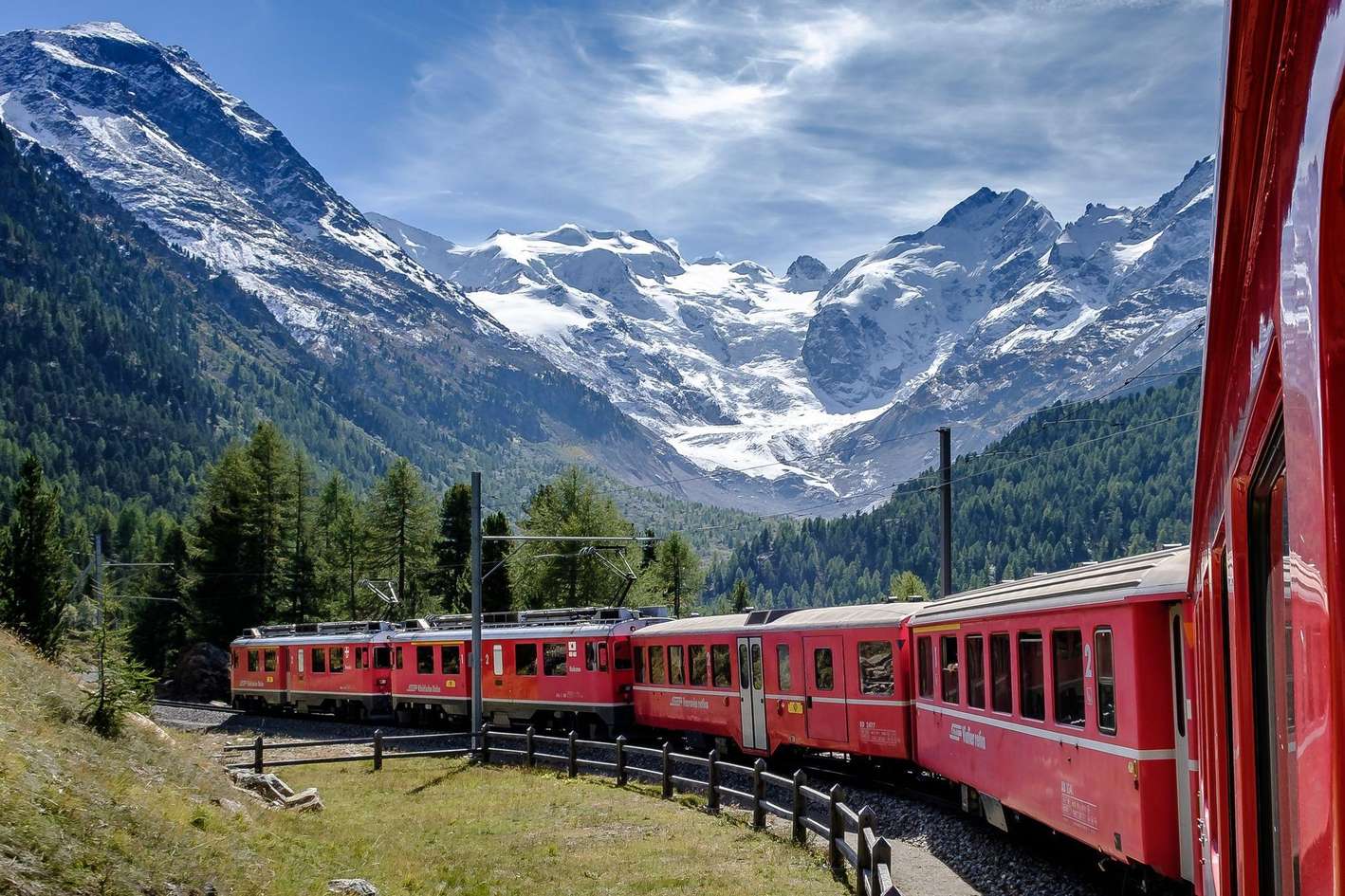
Train, bus and car routes laid out step by step, so the journey stops eating your morning.
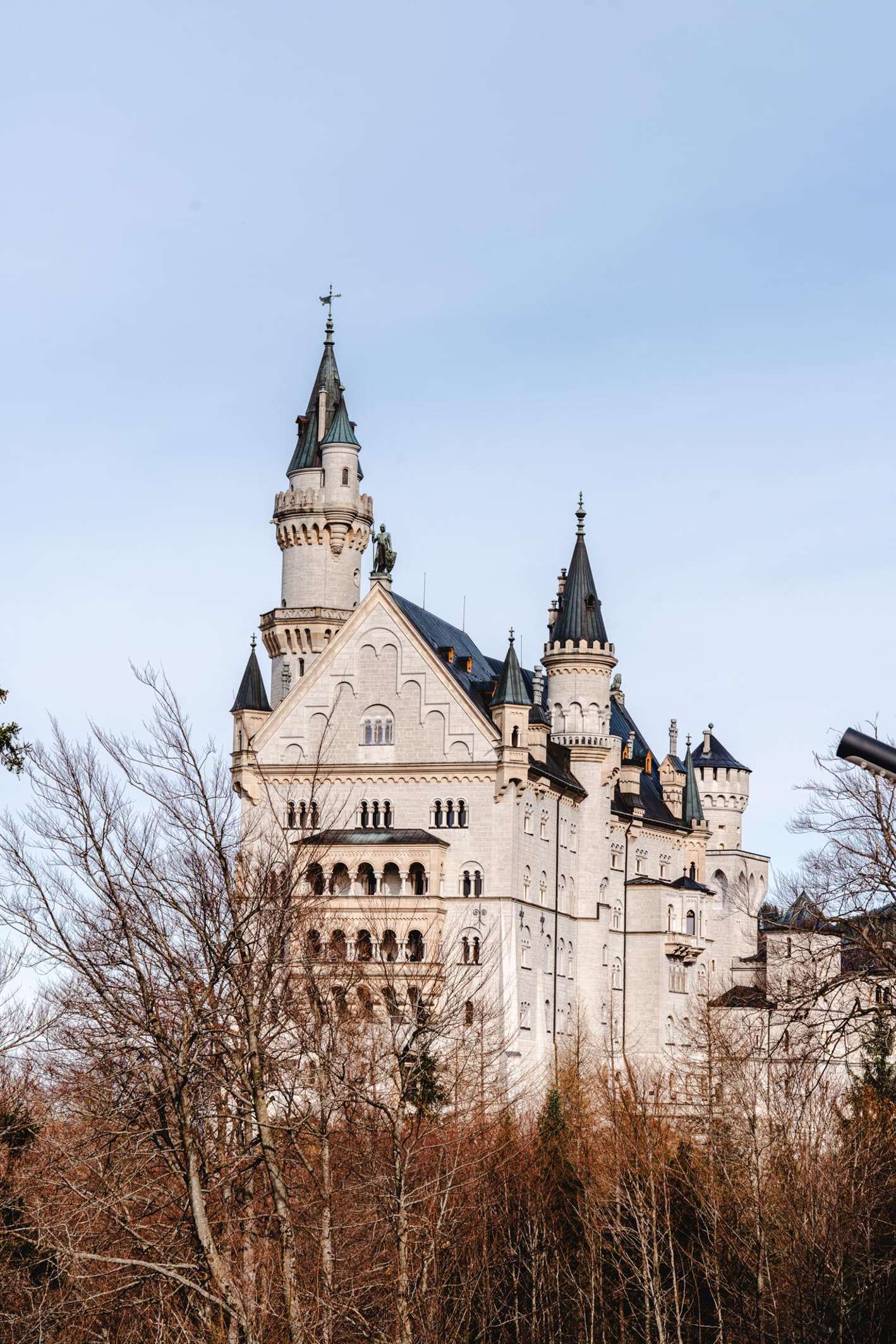
Timed tickets sell out well ahead; here is where to buy and what the entry times mean.
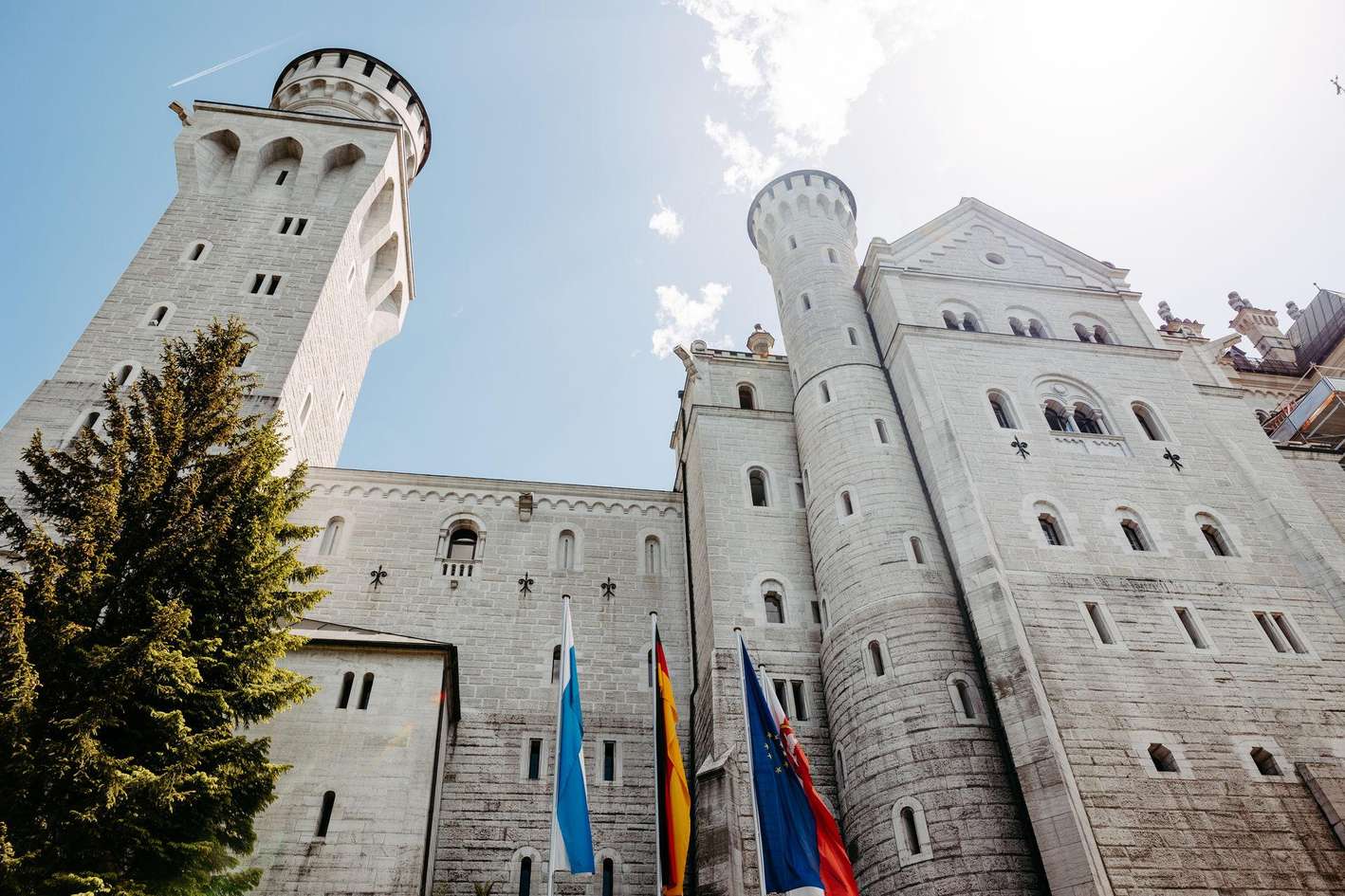
Season by season: opening hours, winter closures of the bridge, and when the crowds peak.

Strollers, stairs and the steep uphill path: what families should know before booking.
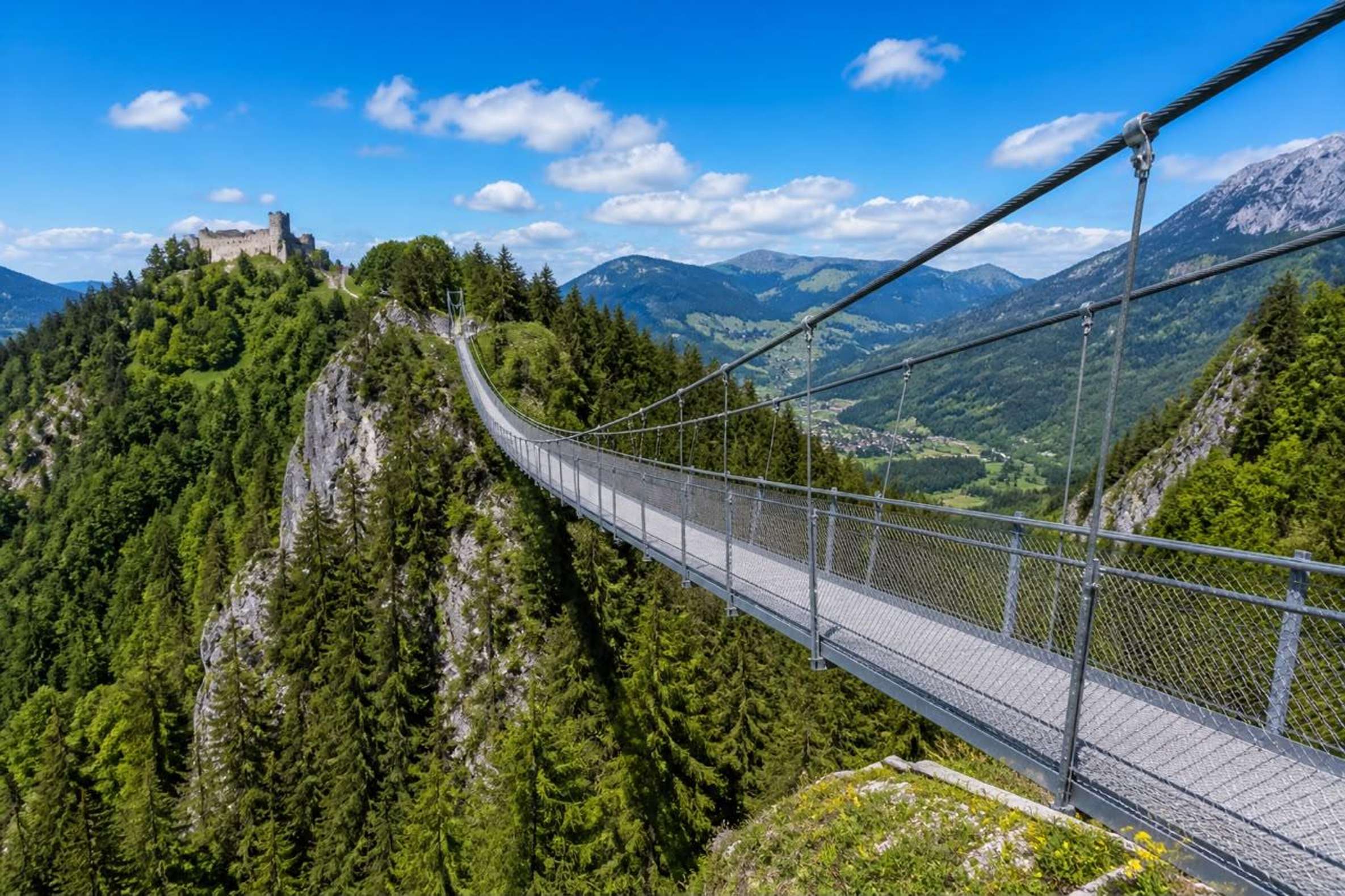
A private twelve-hour route from Munich with hotel pickup, stops at Eibsee, the Zugspitze and Neuschwanstein, and free cancellation up to 24 hours before you go.