
 Our top pick
Garmisch-Partenkirchen: Neuschwanstein Castle Express Tour
Skip-the-line ticket to Neuschwanstein CastleBottle of waterTrain ticket
From$207 /person
See dates and book Free cancellation
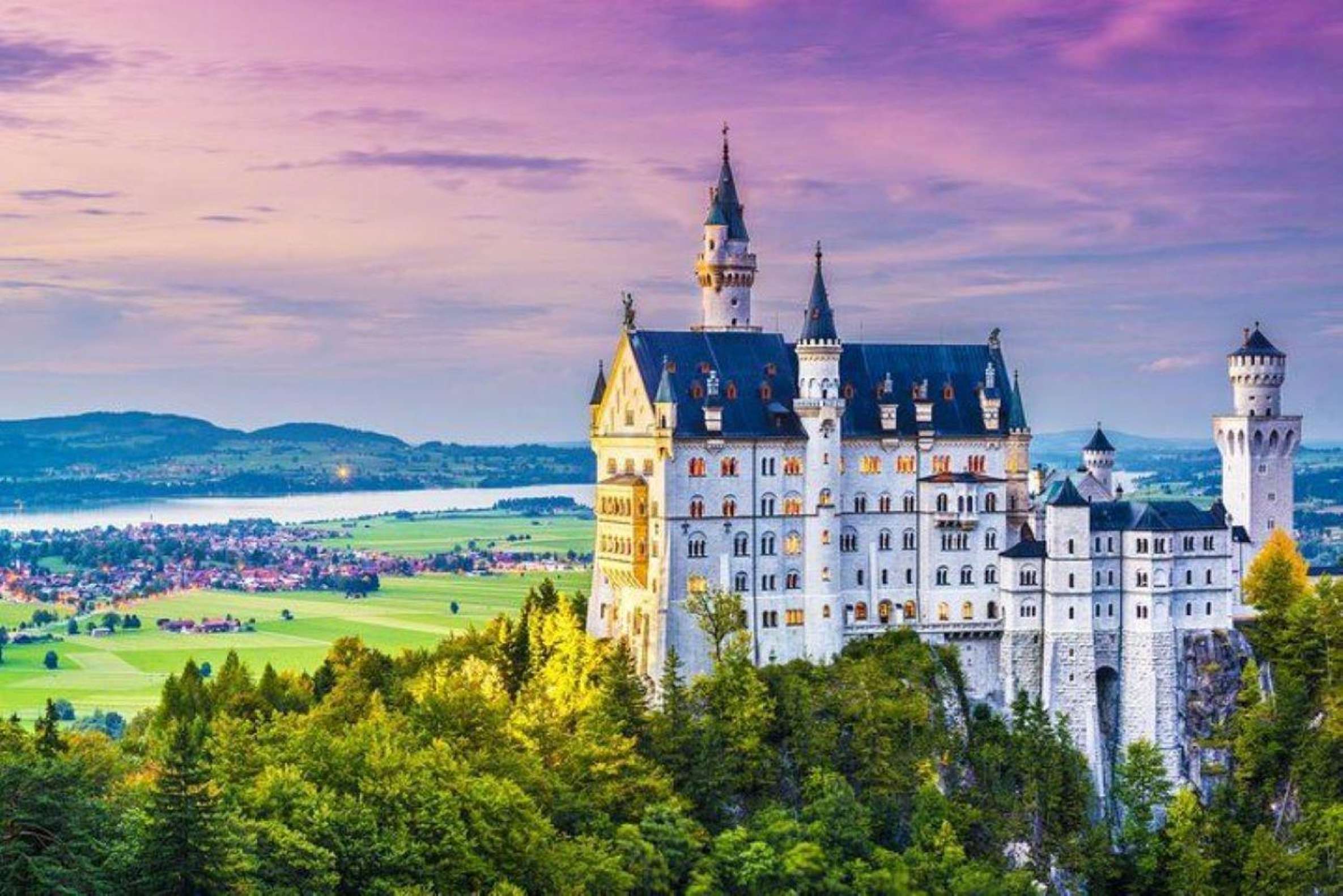
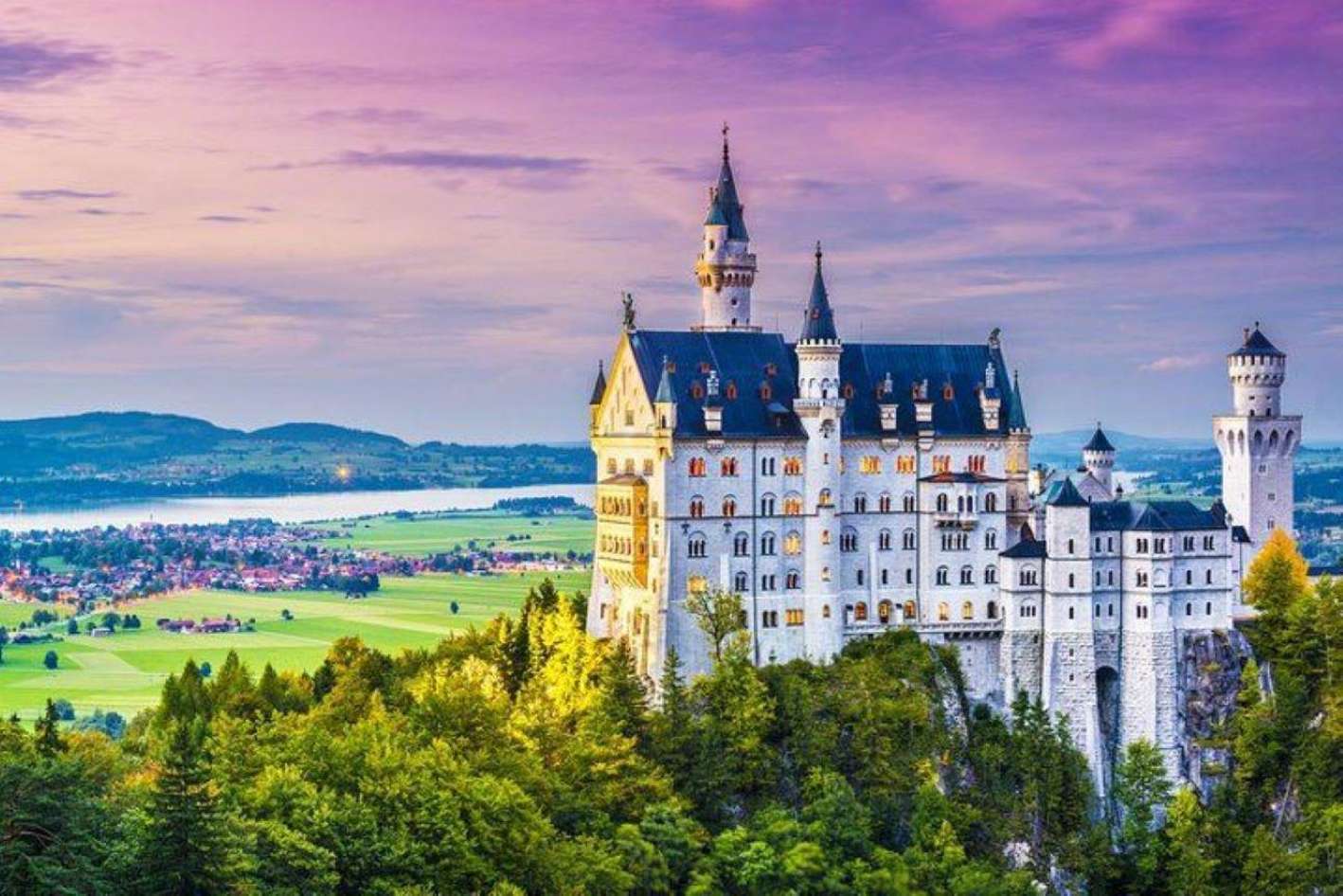
See the castle from your alpine base, without the rental car or the transfer juggling. One express tour leaves Garmisch-Partenkirchen Central Station at 8:45 am, with skip-the-line entry and transport both ways already arranged.
“Brilliant trip! Everything ran so smoothly, totally stress-free. Stunning castle, amazing tour inside. Guide picked us up at the station, was punctual, friendly and informative, even provided refreshments. Highly recommend!”
One tour runs the trip you searched for: a full day from Garmisch-Partenkirchen station with skip-the-line castle entry and the train back included. Two alternatives cover the same visit with a different pace or a private itinerary.
Our top pick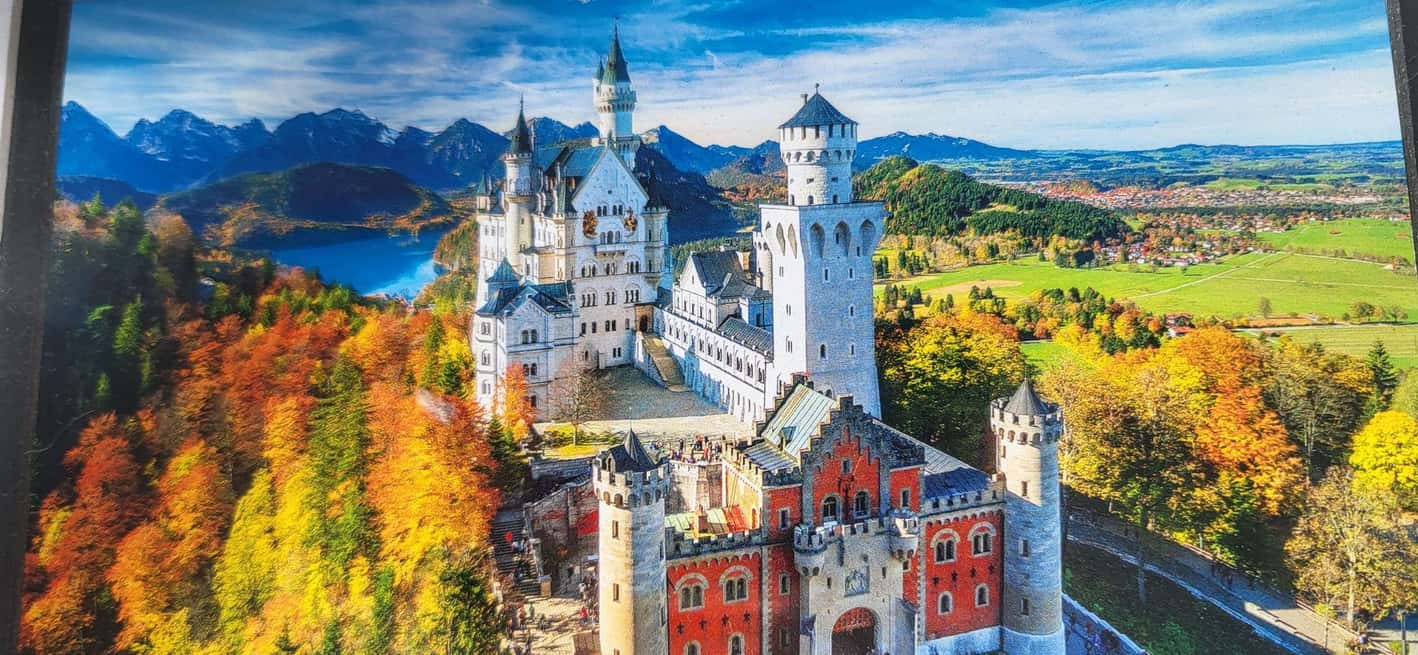


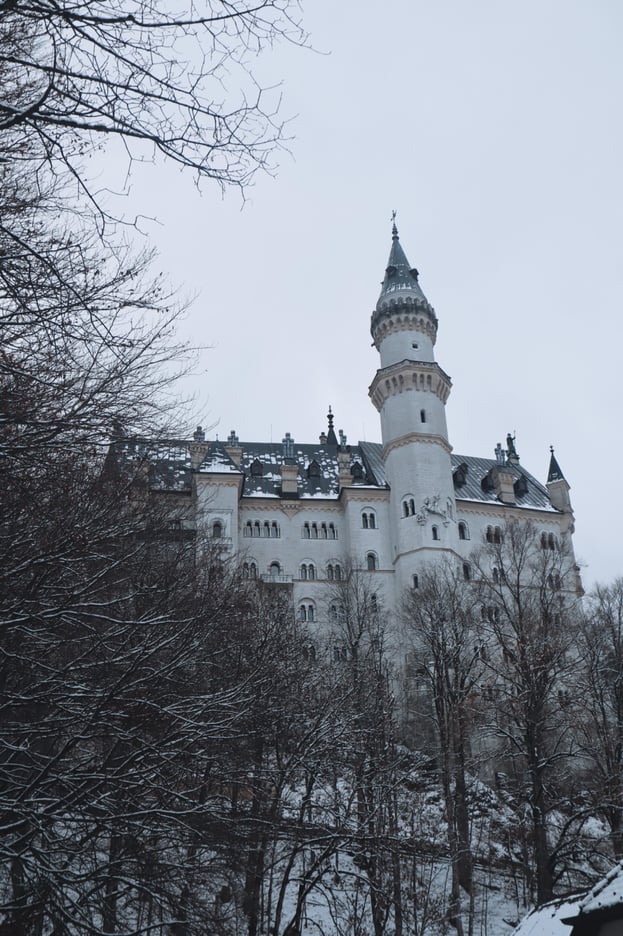
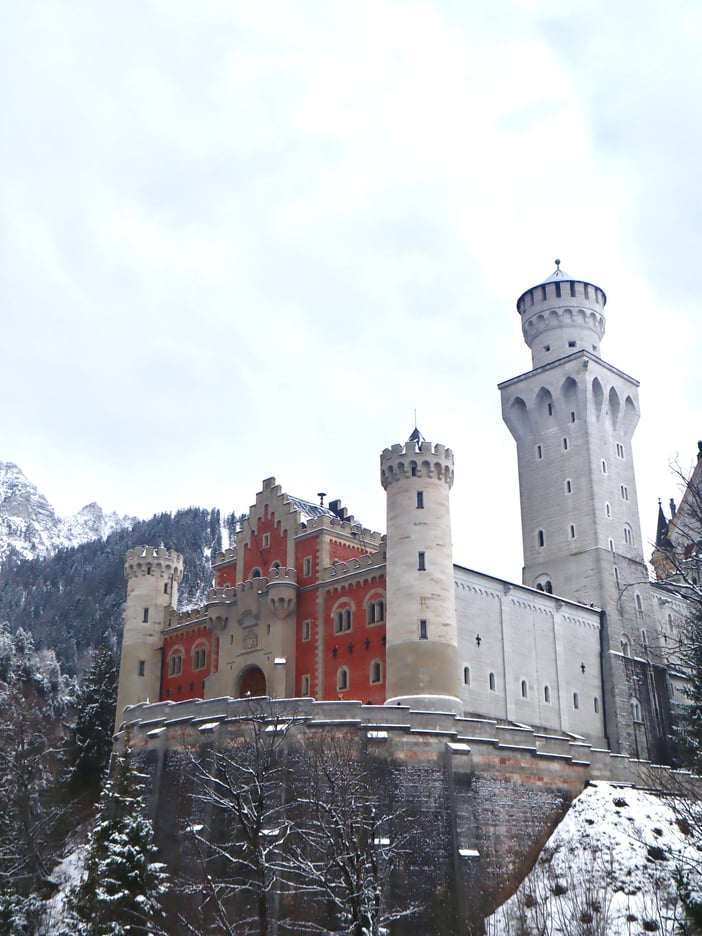
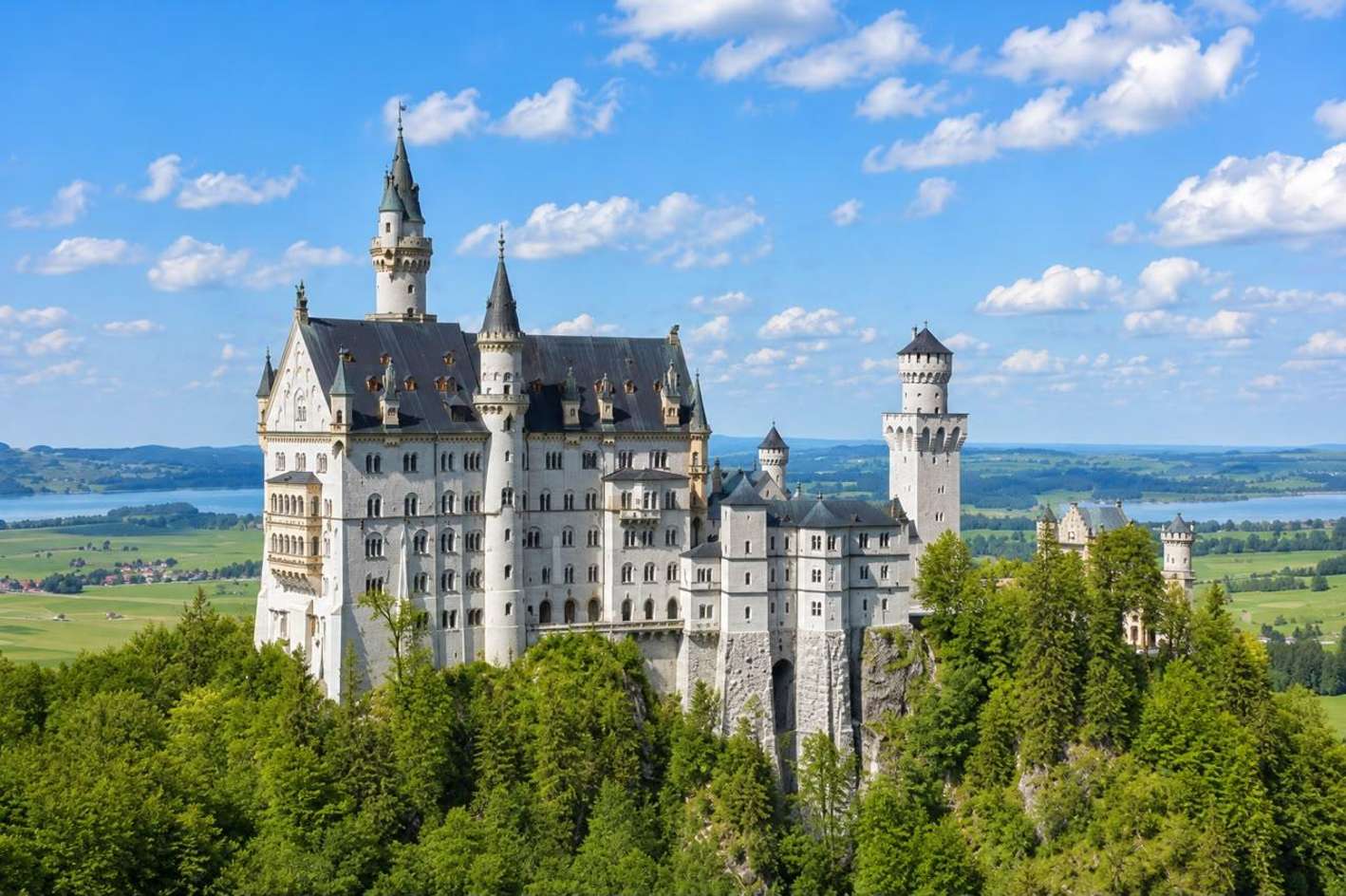
Half-day Neuschwanstein trip, well organized! Our guide Lahdo was friendly and organized.
Amazing private tour to Zugspitze, Eibsee, Highline179 and Neuschwanstein. Never felt rushed; our guide stopped for photos, bought tickets, queued with us. Great music, comfy drive.
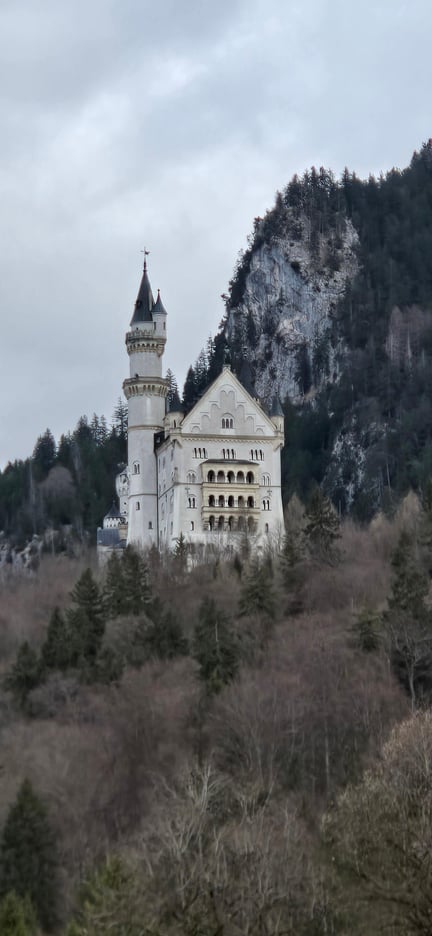
Great trip! Everything was so organised, stress-free. The castle was stunning and the inside tour amazing. Guide picked us up on time, provided refreshments, friendly and informative. Recommend!
Perfect tour for Neuschwanstein and its area, seamless, no stress about where to go. Local guide, snowy winter scenery made it magical. Two-hour train back but the views are worth it!
Alexi was accommodating and engaging throughout. I felt at peace on my solo trip.
Really impressed with the guide, polite, great recommendations, convenient transport. I booked only two days before so paid a lot for the Half Day Tour; book earlier. Otherwise impressive.
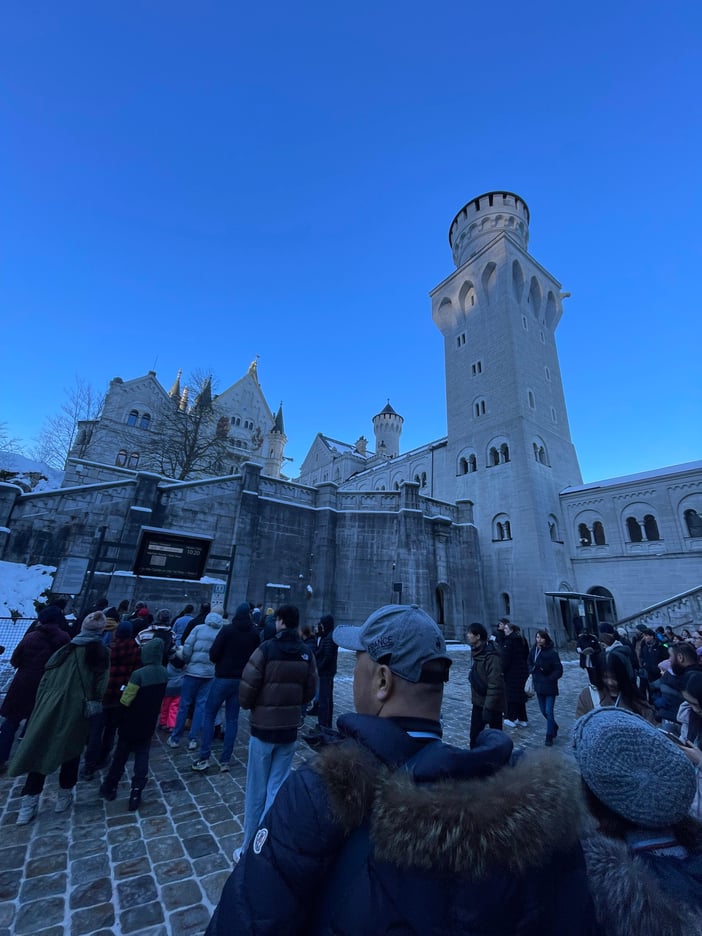
Two very kind guides. My English isn't great but they listened to me seriously and the tour went smoothly. Thank you so much, I'll definitely book another tour with you again.
The whole day ran like clockwork, with guides picking them up and dropping them off on time.
Many travelers loved that the train and van combo spared them every transfer, so they never had to think about directions.
Several reviewers wished the castle visit allowed more time, since the day moves quickly between stops.
Choose a day early in your Garmisch-Partenkirchen stay so weather delays or a sold-out slot leave room to rebook. Castle tickets can sell out months ahead in summer.
Select the Garmisch-Partenkirchen: Neuschwanstein Castle Express Tour option. It runs in one version, a full day with skip-the-line castle entry and return by train included.
Complete checkout and keep the confirmation email handy; it carries your voucher and the meeting details from the operator.
Plan to be at Bahnhof Garmisch-Partenkirchen, Bahnhofstraße 31, by 8:45 am. The tour combines a car transfer and a scenic train ride through the Austrian Alps, so no rental car is needed.
Arrive at the station a few minutes before 8:45 am with your mobile voucher ready. The visit ends back at the central station at 3:52 pm.
Munich
Visit (30 minutes)
Break time, Photo stop, Visit, Free time, Sightseeing, Cable car ride (1.5 hours)
Photo stop, Visit, Beer, Coffee, Free time, Sightseeing, Walk, Cheese tasting, Local snacks, Aerial view (1 hour)
Visit, Guided tour, Free time, Sightseeing (2 hours)
Munich
Neuschwanstein tickets are valid only for the exact time slot printed on them, and visitors who arrive after their reserved tour time cannot join it, even when the delay comes from traffic or public transport.
Plan to reach Hohenschwangau at least 90 minutes before your slot, since the uphill walk takes 30 to 40 minutes. An organized tour from Garmisch-Partenkirchen with pre-reserved castle tickets keeps your entry time aligned with its own schedule, so carry a passport or ID card for the route through Austria and leave a wide buffer in the morning.
Bahnhofstraße 31, a few minutes before 8:45 am. The express tour assembles outside Bahnhof Garmisch-Partenkirchen, the town's central station, and that single meeting point is what makes the day simple: no transfer hunting, no timetable juggling, just a guide who already holds your castle admission.
A car transfer and train carry you through the Austrian Alps
Skip-the-line admission with a reserved time slot
Arrival at the central station at 3:52 pm
The tour is called the Garmisch-Partenkirchen: Neuschwanstein Castle Express Tour, and the name is honest about the shape of the day.
The crossing runs in two legs, a car transfer and a train through the Austrian Alps, and that slower route is exactly where the window-seat scenery comes from. The total runs seven hours and seven minutes.
The 8:45 am start and the 3:52 pm return frame the whole day. That is a fixed promise, and it matters more than anything else on the booking page: your castle time slot is aligned with the tour's own schedule, so a late train or a full parking lot never puts your admission at risk.
Skip-the-line entry, round-trip transport and a bottle of water are all included. You explore the castle at your own pace within the slot, learn its history, and let someone else do the alpine driving both ways.
Three roads lead to the same castle, and the one you pick decides how the whole day feels. The organized tour takes 7 hours 7 minutes door to door but is not a nonstop drive: it threads through the Austrian Alps by car and train, and the scenery is part of the point.
A rental car makes the crossing in about 69 minutes over 61.5 km via the Plansee route, the fastest way there by far.
Public transit sits between them: slow but workable, and covered in the next chapter. What separates the options is not just speed. The tour holds a guaranteed skip-the-line ticket even when public allocations are gone. Driving or riding independently, you must secure that ticket yourself, and travelers say interior tickets can sell out months ahead.
| Transit duration | Castle tickets | Same-day tickets | Uphill ascent | |
|---|---|---|---|---|
| Organized tour | 7 h 7 min, not nonstop | Guaranteed skip-the-line admission | not known | Walk 30-40 min steep uphill |
| Bus or train | 2 h 10 min, no transfers | Sell out months ahead | Limited from 8 am. | Walk 30-40 min steep uphill |
| Rental car | 69 min for 61.5 km | Sell out months ahead | Limited from 8 am. | Walk 30-40 min steep uphill |
Read the table as three different days. The tour trades flexibility for certainty: fixed times, ticket in hand. The car buys speed and freedom to stop at Plansee, at the cost of the ticket hunt and the 1.5-to-2-hour village buffer. Transit costs the most time of all but spares you alpine driving entirely.
One more comparison worth keeping: going via Munich takes about 3 hours 10 minutes and 218.5 km. A direct departure saves 1 hour 54 minutes of transit and 154.8 km of driving. That is the whole argument for starting locally.
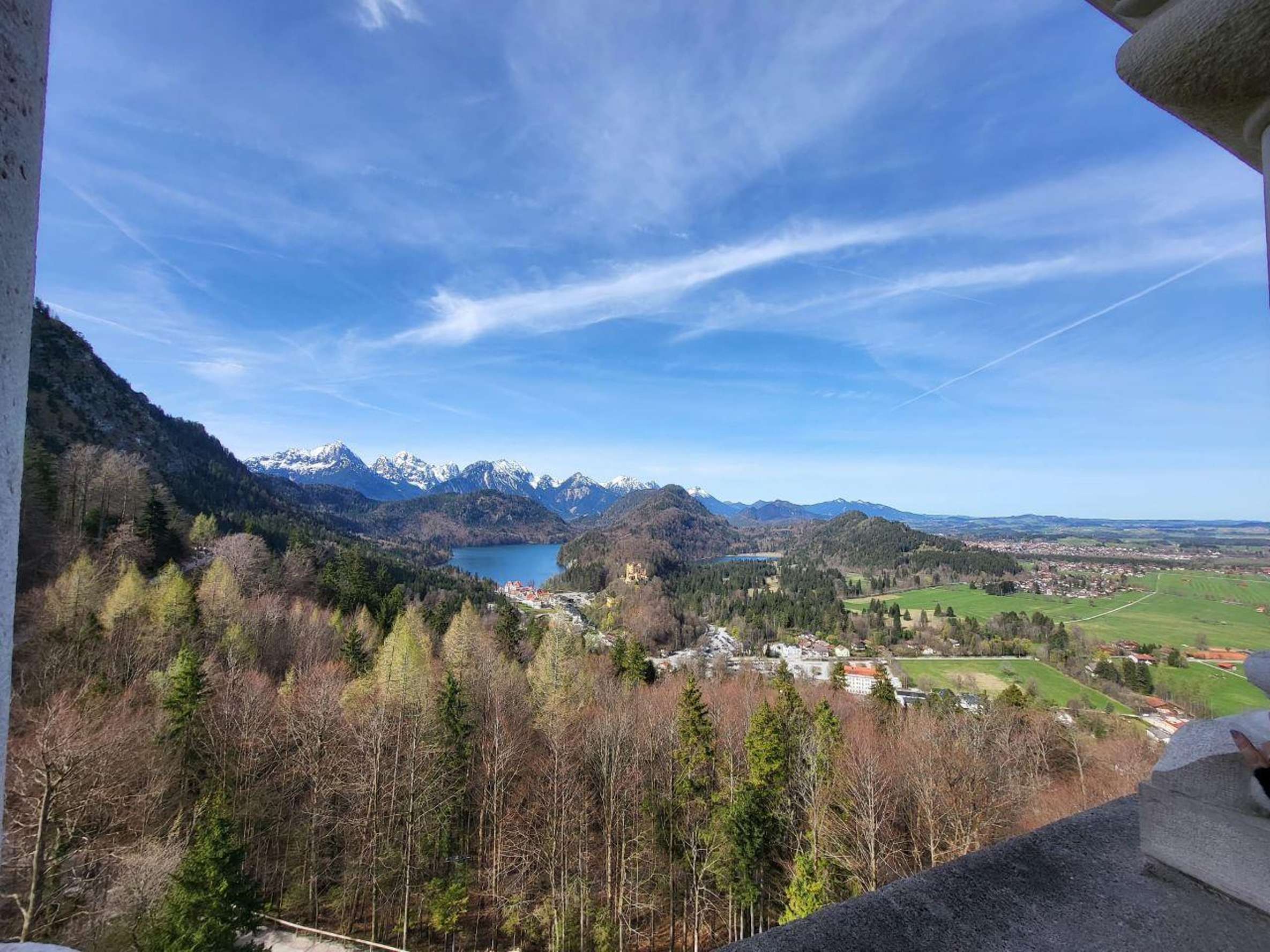
Bus 9606 is the transit option that asks the least of you. It runs from Garmisch-Partenkirchen to Hohenschwangau in about 2 hours 10 to 15 minutes with no transfers, one seat, one ride, done. The Außerfernbahn train route takes roughly the same time, around 2 to 2.5 hours, but needs two changes along the way.
Transfers are where a castle day goes wrong. Connections between regional services are tight, and a delay on one link can unravel the rest. In one reported peak-period example, a bus-to-train connection survived only because the delay stayed at its minimum; stretch it further and the whole chain breaks.
That matters here because of how Neuschwanstein sells admission. A ticket is valid only for the time slot printed on it. Arrive in Hohenschwangau after your slot, for any reason, and you cannot join the interior tour. The risk sits entirely with the traveler, even when the delay was nobody's fault.
So if you take transit, treat the timetable as a promise with a margin built in. Aim to reach Hohenschwangau at least 1.5 hours before your entry time, which is the buffer experienced visitors recommend for parking, tickets and the climb.
With a no-transfer bus, that margin is mostly waiting time you control. With two transfers, you are borrowing time from services that do not wait for each other.
Book the earliest bus you can, and spend the spare hour on a coffee by the Alpsee with your entry slot already safe.
Winter changes the maths on each way of going. The L255 Planseestraße has no scheduled seasonal closure and generally stays open all winter, but that is a general, not a guarantee: sections of the road between Reutte and Ettal-Linderhof can close at short notice for snow, ice or avalanche danger.
A day you planned around the drive can end at the road sign.
The tour handles this differently. If extreme alpine weather forces the operator to cancel before departure, payments already made must be refunded. Your money comes back; your plan simply moves to another day.
| If this happens | What happens then |
|---|---|
| Operator cancels before departure because of extreme weather | Payments already made are refunded |
| Snow, ice or avalanche closes the Plansee road while you are driving | The plan stalls with no refund and no safety net |
There is also a legal layer if you take the wheel. In Austria, from 1 November to 15 April, cars must carry winter equipment when conditions are wintry: winter tyres on all four wheels when there is snow, slush or ice, or chains on at least two drive wheels in continuously snowy conditions.
Germany has its own version of the rule, and it follows the road, so wintry conditions call for winter tyres whenever they arrive.
A rental car picked up locally may not have compliant winter tyres by default, so confirm with the rental provider before you commit to the Plansee route. The tour, by contrast, puts the winter driving on someone whose job it is, which in January counts for a lot.
The castle inside is the part people remember, and it is the part that runs out. Interior tickets for the peak summer and autumn season can sell out months ahead, and travelers who left it late have watched their dates vanish while they hesitated. Book well in advance, earlier than feels reasonable.
The official online shop, shop.ticket-center-hohenschwangau.de, is where independent visitors secure a slot. If your date shows sold out online, there is one last door: the Hohenschwangau Ticket Center releases a limited number of same-day tickets from 8 am, subject to availability.
People who have tried it advise arriving early, expecting a line, and accepting a later time slot than you hoped for.
Same-day tickets at the Ticket Center are limited and can be gone by late morning in high demand Pre-book online weeks ahead, or join a tour that holds pre-reserved admission
The third route is the one this page leads with. The Garmisch-Partenkirchen express tour includes skip-the-line admission with pre-reserved tickets, and organized tours like it can secure official entry even after public allocations are gone, because the operator's ticket is aligned with the tour's own schedule.
One clarification before you book anything: a skip-the-line ticket does not mean wandering in whenever you like. Admission stays tied to the exact time printed on the ticket, and tours start punctually. The line you skip is the ticket queue. The clock you keep is your own.
Two rules wait at the castle for everyone, tour or no tour. The first is the turnstile. Admission is valid only for the selected time slot, and the interior tour starts on time.
Arrive late, whether because of a traffic jam on the Plansee road or a delayed bus, and you cannot join. Travelers report this enforced without exception, and the terms place the risk of arriving late squarely on the visitor, delays included.
The second rule lives behind the castle. Marienbrücke, the bridge over the Pöllat Gorge with the classic postcard view, closes in bad winter weather: ice, snow, whatever the castle administration judges unsafe. Here the rumor mill gets it wrong, so it is worth setting straight.
The bridge closure does not affect the route to the castle or its guided tours
Admission works only at the exact time printed on the ticket
A closed bridge costs you a viewpoint, nothing more. The castle route and the guided tours stay open. Snow on the road to the bridge can also mean walking up to the castle on foot instead of riding the shuttle, so keep the walking shoes handy.
So build slack into the morning, and check the bridge status the day you go instead of counting on the photo spot to cooperate.
Vehicles stop in the valley, and the last stretch is earned on foot or by machine. The direct route is a 1.5-kilometer paved road that climbs steeply for 30 to 40 minutes. It is walkable in ordinary shoes, but steep in places, and it is the option people underestimate after a long morning of travel.
The shuttle bus saves the legs. It leaves from parking lot P4 about every 20 minutes, riding 15 minutes up to the Jugend lookout by Marienbrücke, then a 10-to-15-minute downhill walk brings you to the entrance.
The horse-drawn carriage departs from Hotel Müller, rides 20 minutes to a turning area beneath the castle, and leaves a 450-meter uphill walk of 10 to 15 minutes.
Both services run on demand with no fixed timetable, and holiday waits can stretch well past what anyone hopes for. Book neither in advance; just budget the waiting time.
The shuttle costs a few euros uphill and less as a round trip, and it does not take cards, so carry cash. The carriage fare is paid to the driver.
Winter reshuffles the options: the carriages run year-round, while the shuttle stays parked when snow or ice covers the road. If both are down, the walk is the way, and 30 to 40 minutes of steady climbing is the price of the courtyard. Supportive shoes with grip settle most of that argument.
The drive is the fastest way to the castle and one of the prettier ones. Mapping tools put the Plansee crossing at about 61 km and 68 minutes without traffic; the parking-and-slot guidance works with 61.8 km and 70 minutes.
Small rounding on the same road, so call it just over an hour, around 62 km, and budget the longer figure for your own planning.
The route crosses into Austria and runs along the shore of Plansee, where sunny days put the surrounding mountains in the water. A viewpoint hike near Camping Seespitz looks out over the lake, though the trail is steep and rough underfoot.
The paperwork is lighter than most visitors fear. The castle's listed car routes approach on German roads from Füssen, so no Austrian motorway vignette is needed on this route.
The border does want identification, though: carry a passport, or for travel within the EU a valid national identity card. A driving licence is not a travel document.
Parking is where the morning gets tight. Private cars cannot reach the castles, so you leave the car in one of four paid village lots, P1 to P4, in Hohenschwangau. During summer peak months those lots can be full by 9:30 am, which turns an hour's drive into a race against other people's early starts.
The full buffer math: allow the 70 minutes of driving, then arrive in the village 1.5 to 2 hours before your interior-tour slot to cover parking, tickets and the climb.
Add the winter tyre rules from the earlier chapter, and the honest conclusion is that driving rewards early risers with the freedom to stop wherever the lake looks best.
Once admission is secured, the day has room in it. The obvious pairing is Hohenschwangau Castle, Ludwig's childhood home down in the valley. Visiting both in one day is realistic if you plan for a full day, and the official ticket shop sells combination tickets for both castles on a single date.
Allow at least 2.5 hours between the two entry times, because each involves its own climb: about 20 to 30 minutes up to Hohenschwangau and about 40 minutes to Neuschwanstein.
The walk around the lower village costs nothing and fills an hour: the waterfall viewpoints and the panorama points over both castles sit within minutes of the ticket area. St. Coloman's Church, ten minutes by car, is the spire in the classic foreground photos.
The Alpsee loop takes 1.5 to 2 hours to walk in full, which is more time than most organized days leave. On the express tour you are back at the station by mid-afternoon, so the lake is a shorter shore stop or a plan for another morning.
Linderhof Palace, Ludwig's smaller retreat in the Ammergau Alps, can be combined with Neuschwanstein by car or on an organized route, but public transport makes that pairing impractical in a single day. If the palace matters to you, give it its own day and let Neuschwanstein keep this one.
The return leg is the part independent planners forget until the afternoon. From Hohenschwangau, the regular regional bus runs back to Füssen as late as 7:40 pm in autumn and winter; later evening departures exist only in July, August and September.
Miss that bus and the fallback involves a longer, colder evening of connections than anyone wanted.
Working backwards makes the constraint clear. The bus to Füssen takes about 15 minutes, then the train toward Garmisch-Partenkirchen adds its own leg, and the connection between them needs a margin.
So an independent day that ends with dinner in Garmisch means leaving Hohenschwangau by late afternoon at the latest, which caps how long you can linger at the lake or wait in the Marienbrücke queue.
The tour settles this by ending it for you. The express trip puts you back at Bahnhof Garmisch-Partenkirchen at 3:52 pm, a fixed arrival that no evening timetable touches. The train home leaves the afternoon intact: back in town while the winter light is still up, with the whole evening ahead.
That early finish is also why the tour's morning starts at 8:45 am. Seven hours is enough for the alpine crossing, the climb, the interior tour and the return, but not for lingering.
Travelers who want a slower pace with an evening at the castle viewpoint should drive or take the bus, and watch that last departure.
Both seasons work, and they offer different days. Summer is the crowded one: July, August and September sit at the top of the visitor scale, with parking lots filling by 9:30 am and waits at Marienbrücke stretching long on peak weekends.
What you buy with the crowds is light: July gives about 15.5 hours of daylight and a high around 22°C.
July: 5 out of 5 for how busy it gets.
Tap a month to read it.
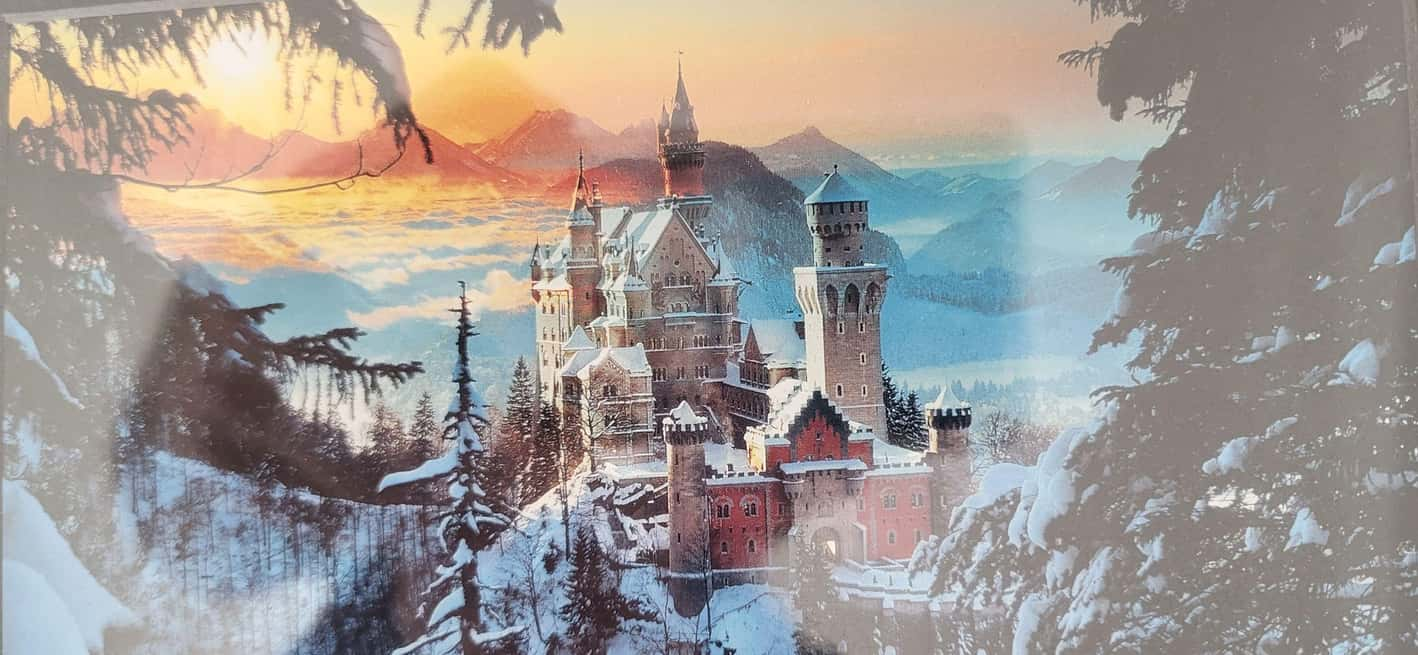
Winter flips the trade. January and February are the quietest months of the year, and snow on the towers gives the castle a setting summer never matches.
The price is a January high of about 4°C, lows well below freezing, and under nine hours of daylight. Snow or ice can stop the shuttle bus, and bad weather can close Marienbrücke, though the castle route and guided tours keep running either way.
The dates that matter are few. The castle closes completely on December 24, 25 and 31 and on January 1, and opens on every other day of the year. From mid-October to late March it runs daily from 10 am to 4 pm, so winter visits start later and finish earlier than summer ones.
A practical reading: come in late spring or October for thinner crowds with workable weather, come in deep winter for the snow and the quiet and an earlier finish, and come in July or August only if you book tickets months ahead and start before breakfast.
By the end of the day the choice reduces to one question: what is your time worth, and who do you want holding the tickets? The express tour from Garmisch-Partenkirchen answers all three logistics at once.
It departs from Bahnhofstraße 31 with no Munich detour, it carries guaranteed skip-the-line admission aligned with its own schedule, and it fixes the day's timing at 8:45 am to 3:52 pm so no delay can forfeit your slot.
| Check | Why it matters | Our pick |
|---|---|---|
| Guaranteed castle admission aligned to the schedule | A late arrival forfeits the interior tour, whatever the reason | Skip-the-line ticket with a time slot matched to the tour |
| Departs from Garmisch-Partenkirchen itself | Routing through Munich adds nearly two hours of transit | Departs from the town's central station at 8:45 am |
| How fixed the timing is | Independent plans bend; castle slots do not | Fixed 7-hour arc, back by 3:52 pm |
On your own, the car buys the fastest crossing and the freedom to stop at Plansee, and transit spares you alpine driving.
Both work, and travelers who book castle tickets months in advance and start early have good days doing it. What they do not get is a safety net when weather, traffic or a sold-out ticket board interferes.
Take the tour if tickets, timing and alpine driving should be somebody else's problem. Go independent if you book early, rise early, and want the afternoon to bend your way.
Take the Garmisch-Partenkirchen express tour if you want guaranteed castle admission and a fixed, delay-proof day: departure at 8:45 am, back at 3:52 pm, tickets held before public allocations sell out. Make the trip yourself if you book interior tickets months ahead, enjoy alpine driving, and want the freedom to stop at Plansee.
Yes. An express tour departs from the central station at 8:45 am and combines a car transfer with a train ride through the Austrian Alps, returning to Garmisch-Partenkirchen by 3:52 pm.
The castle sits about 61.5 km away, roughly 69 minutes by car without traffic. On the organized tour the day runs about seven hours door to door, since part of the journey goes by train through the Alps.
A direct trip from Garmisch-Partenkirchen takes about 76 minutes, while going via Munich takes over three hours and adds roughly 155 km of driving. Booking locally saves close to two hours of transit and every change of connection.
Castle entry always runs on timed guided tours, so a skip-the-line ticket secures a pre-reserved slot that matches your tour's schedule, even on days when public tickets are sold out. It does not let you wander in whenever you like; you arrive for the printed time.
You can. Bus 9606 runs direct to Hohenschwangau in about two hours ten minutes, and the Außerfernbahn route takes two to two and a half hours with two transfers. A tour saves you the coordination, especially if your bus or train runs late.
Late arrivals cannot join their scheduled tour, even when the delay is beyond your control. That is why a tour ticket with a time slot aligned to the transport schedule lowers the risk of missing the interior visit entirely.
Yes, but leave the car in Hohenschwangau. Cars cannot reach the castle itself, so plan to arrive in the village one and a half to two hours before your interior tour slot, then walk up or take the shuttle.
From November 1 to April 15, cars in Austria must have winter tires on all four wheels when conditions are wintry. Rental cars do not always come with them by default, so confirm with the rental provider before crossing the border.
The L255 Planseestraße has no scheduled seasonal closure and generally stays open all year. Short-term closures can still happen after heavy snow, rockfalls or avalanche danger, so check current traffic updates before setting out.
The interior visit is a guided tour of roughly 30 minutes with many narrow, winding stairs, and photography is not allowed inside. Save your photos for the viewpoints outside, and wear shoes with good grip for the uphill walk.

Driving yourself? Compare the alpine routes, border rules and winter tyre laws before you take the wheel.

Heading via Munich instead? See which day trips from the capital include castle entry and how they run.
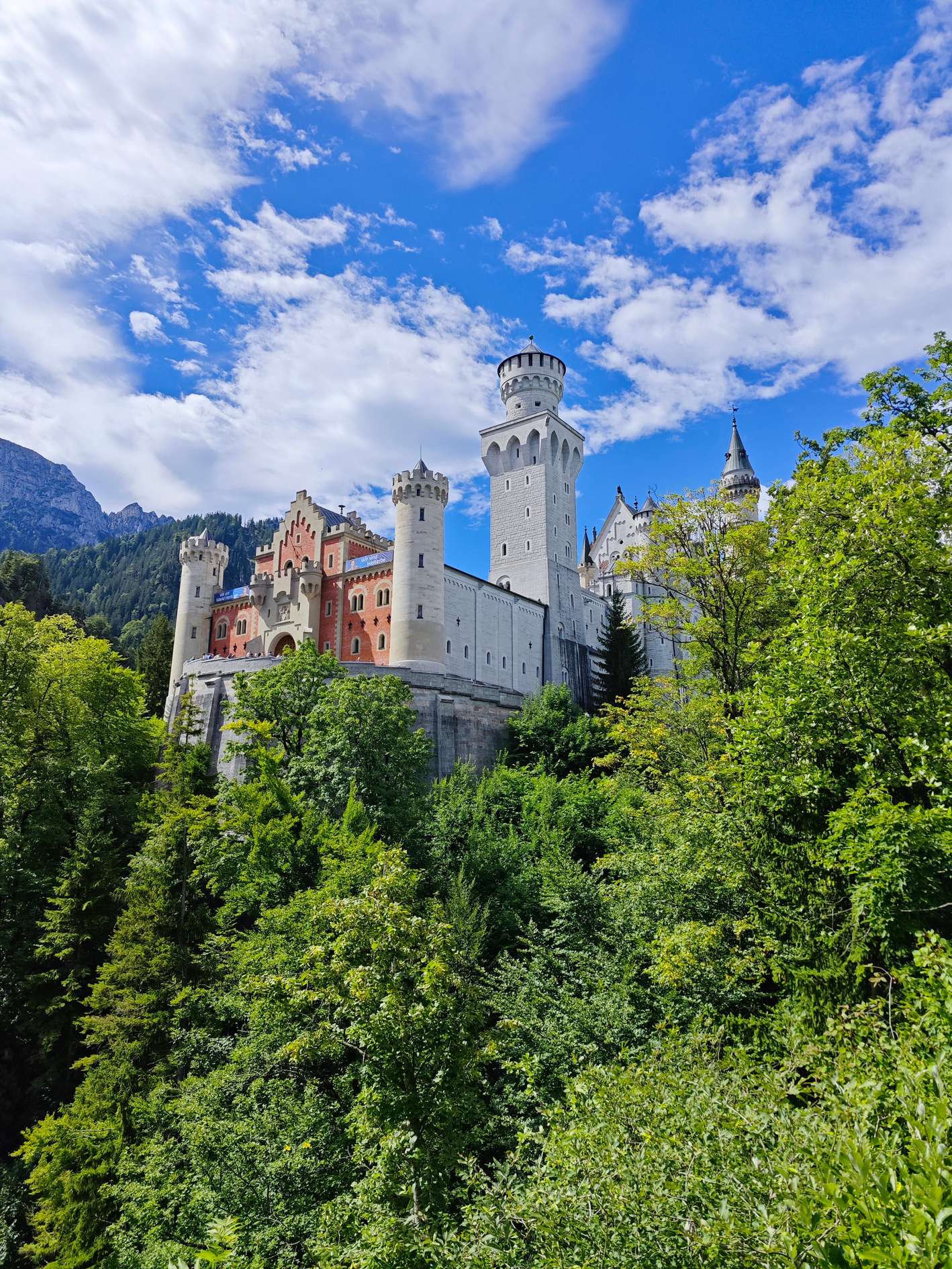
Staying in Füssen? Find tours that start a short bus ride from the castle gates and skip the transfer hassle.
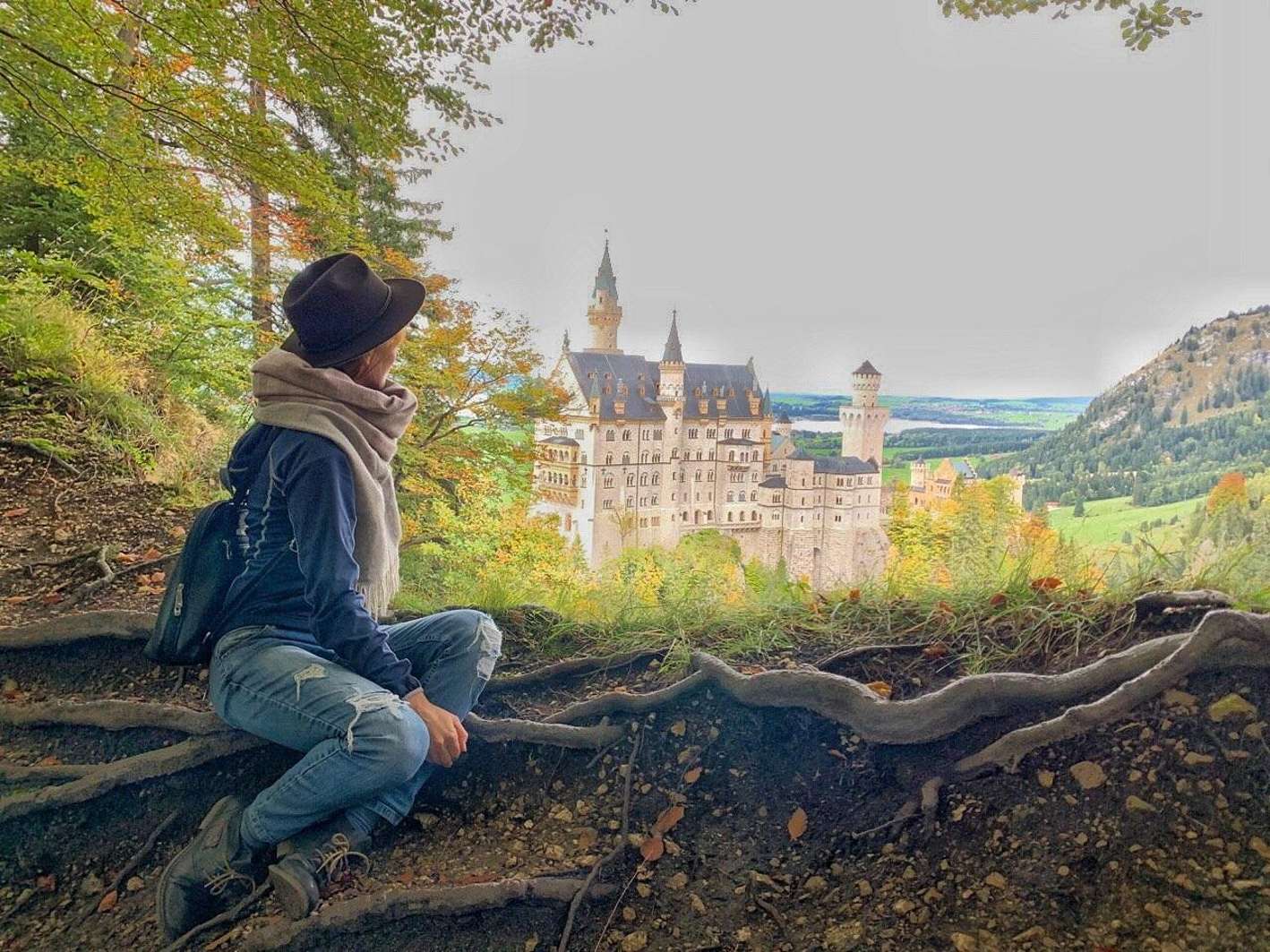
Coming from Austria? Compare Innsbruck day trips that cross the border and sort your castle tickets for you.
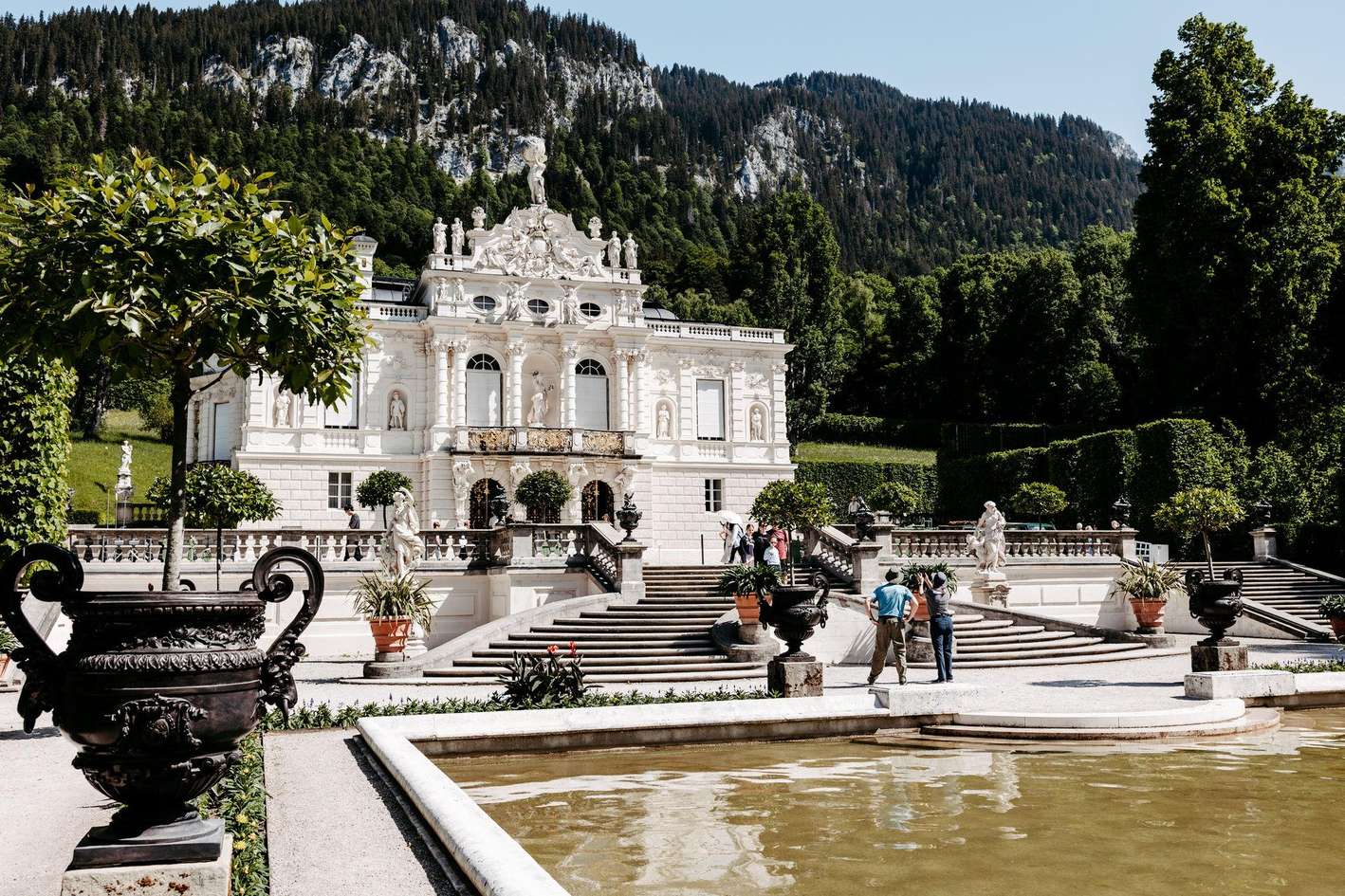
Based in Salzburg? Learn what transport actually connects the two cities and how to plan the day around it.
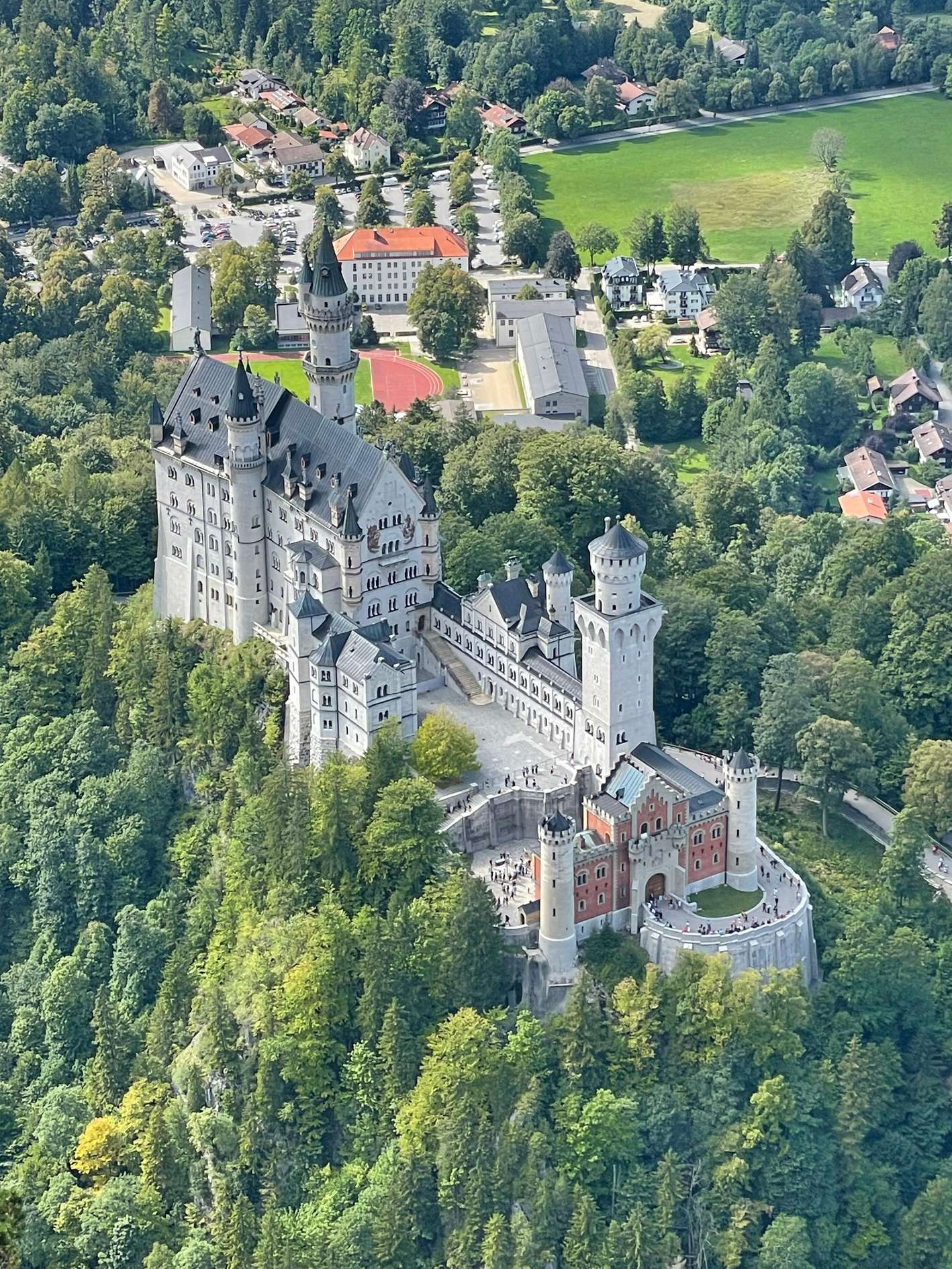
Starting from Switzerland? See how long the drive takes and which Zurich tours handle tickets and lunch.
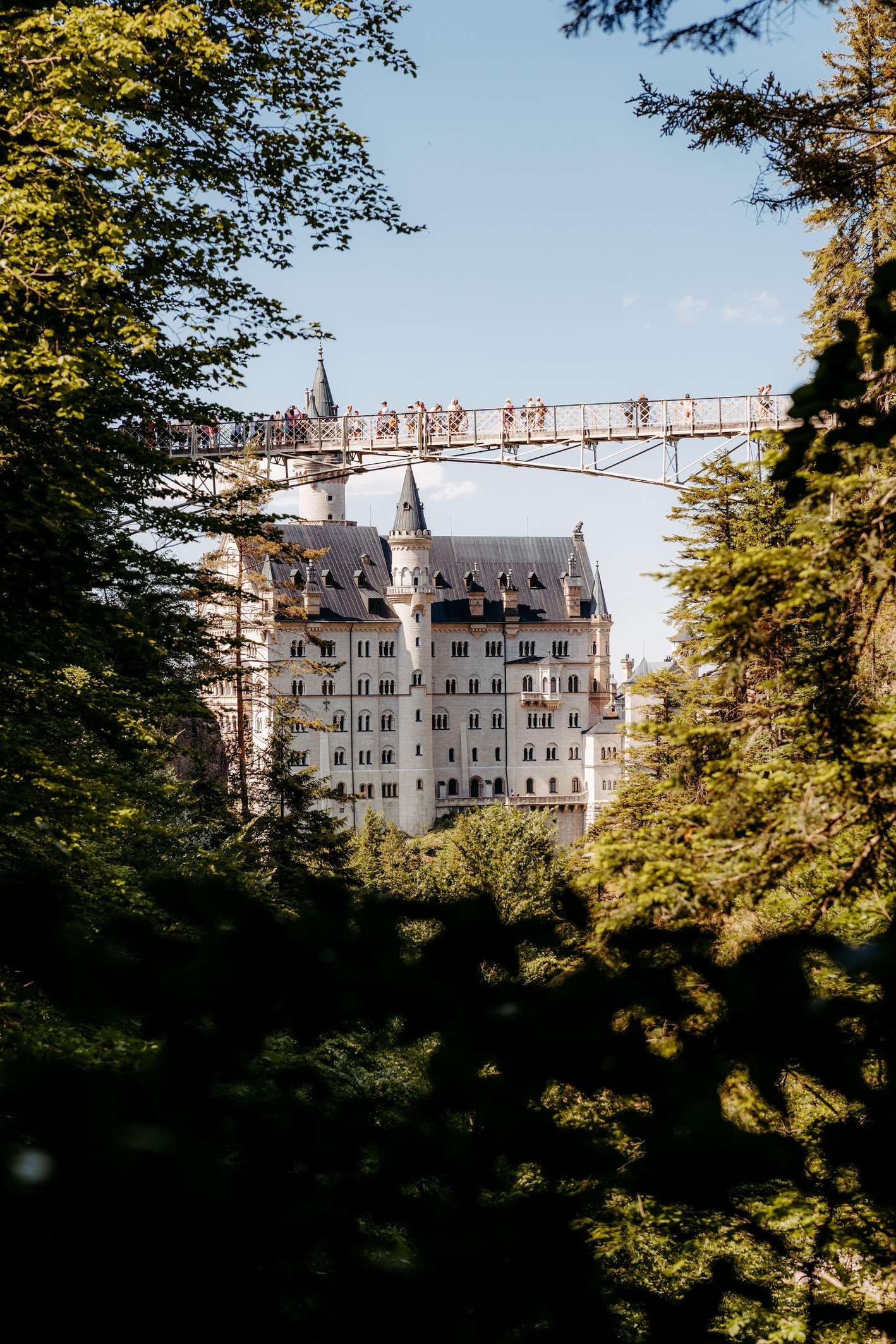
Wondering if you need a guide inside? Get clear on how the timed interior tours work before you book.
Prefer a shared group trip? Browse small-group day trips and what they bundle with castle admission.

Worried about ticket lines? Learn how skip-the-line tickets really work and when they sell out.
Want to cycle the lakes? See how bike-and-ticket options around Füssen let you explore at your own pace.

Time for two palaces? Compare day trips that pair Neuschwanstein with Linderhof in one long day.
Planning it independently? Get the train, bus and driving times for reaching Hohenschwangau from anywhere.
Not sure where tickets come from? Find out where to buy, when they open and how timed slots work.
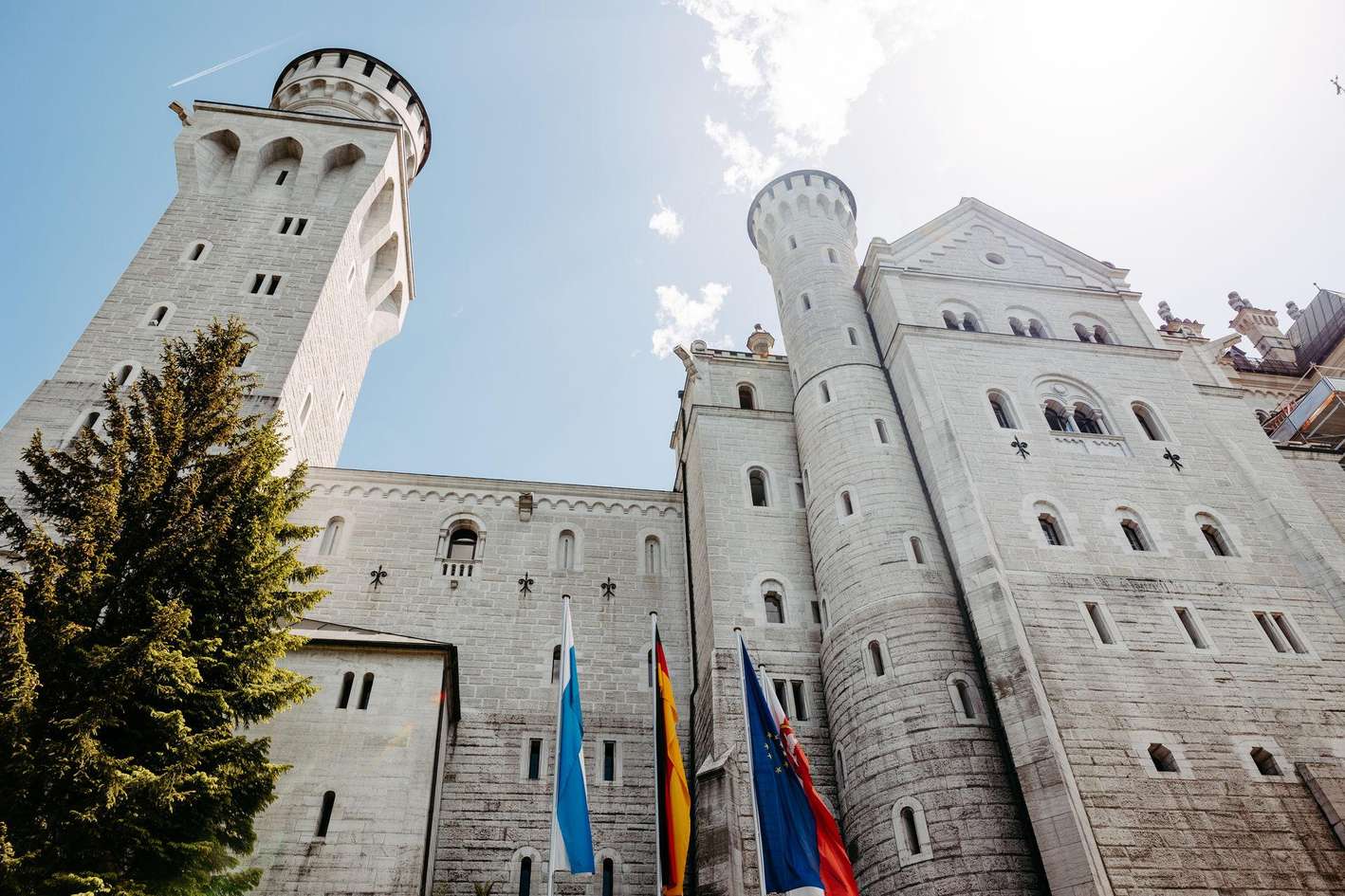
Choosing a season? Compare winter quiet against summer crowds, and what snow does to the bridge and shuttle.

Traveling with children? Check the stroller rules, stair counts and parking tips before your castle day.
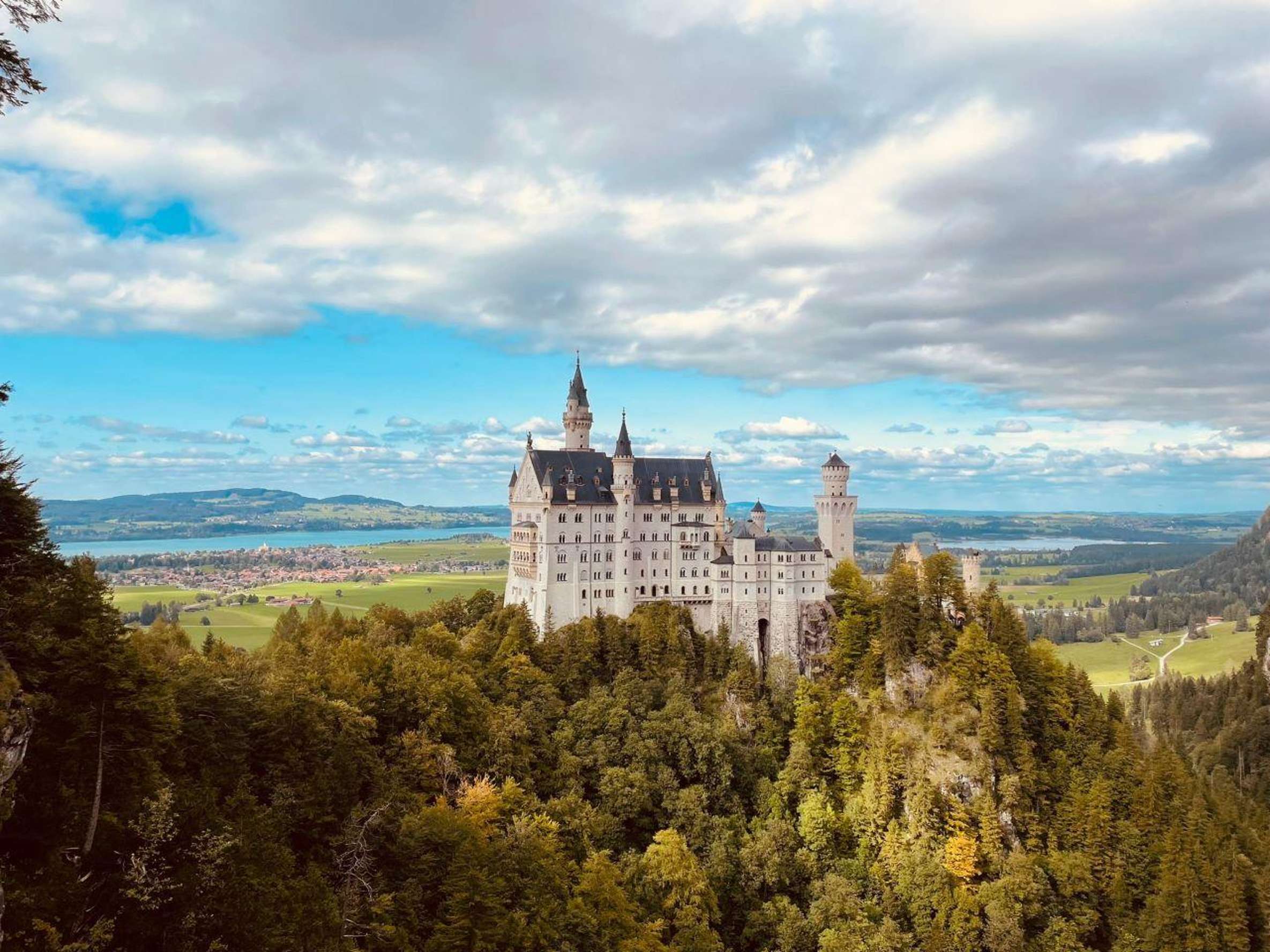
Departing the central station at 8:45 am with skip-the-line castle entry and return by 3:52 pm, and you can cancel free up to 24 hours ahead.